

Wesak Day 2026 in Malaysia

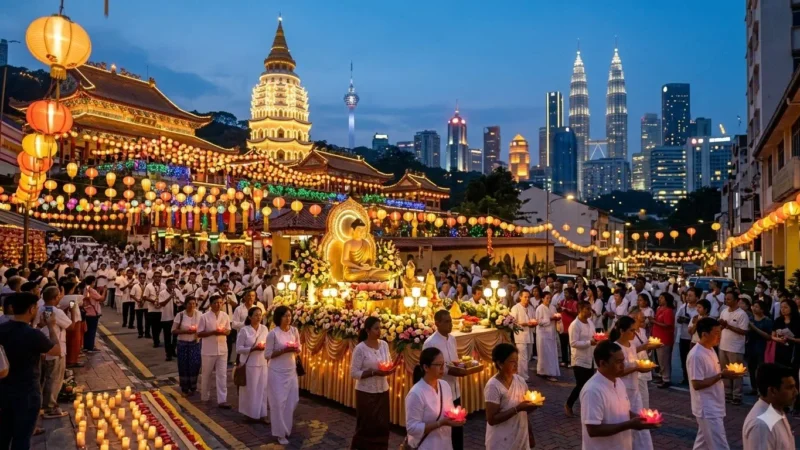
Wesak Day is one of the most sacred festivals for Buddhists worldwide and is observed as a national public holiday in Malaysia. In 2026, Wesak Day falls on Sunday, 31 May 2026.
The festival commemorates three pivotal events in the life of Gautama Buddha: his birth, enlightenment, and passing into Nirvana. For millions of Buddhists, Wesak Day is not only a time for religious devotion but also a day to reflect on the Buddha’s teachings of compassion, wisdom, and peace.
Overview of Wesak Day 2026
| Event | Details |
|---|---|
| Holiday | Wesak Day |
| Date | 31 May 2026 |
| Day | Sunday |
| Observance | National Public Holiday |
| Religion | Buddhism |
| Significance | Commemorates the birth, enlightenment, and death of Buddha |
The Meaning and Origins of Wesak Day
Wesak Day—also known as Vesak or Buddha Day—is celebrated on the full moon of the lunar month of Vesakha in the Buddhist calendar.
The festival honours the life of Siddhartha Gautama, who later became known as the Buddha, meaning “The Enlightened One.”
According to Buddhist tradition, three major events occurred on the same full moon day:
- Birth of Prince Siddhartha in Lumbini, present-day Nepal
- Enlightenment under the Bodhi Tree in Bodh Gaya, India
- Parinirvana (death) in Kushinagar, India
These events symbolize the Buddha’s spiritual journey and the teachings that form the foundation of Buddhism.
History of Wesak Day in Malaysia
Buddhism has been practiced in Malaysia for centuries through cultural influences from Chinese, Thai, and Sri Lankan communities.
Wesak Day became an officially recognized public holiday in Malaysia in 1962, reflecting the importance of Buddhism within the nation’s multicultural society.
Today, the celebration highlights Malaysia’s spirit of religious tolerance and cultural harmony, with people from various backgrounds joining the festivities and charity events.
Major Wesak Celebrations Across Malaysia
Large-scale celebrations take place at Buddhist temples across the country.
Kuala Lumpur
The capital city hosts one of the largest Wesak celebrations at Buddhist Maha Vihara in Brickfields.
Thousands of devotees gather for prayers, meditation sessions, and the famous Wesak procession, which features beautifully decorated floats carrying images of the Buddha.
Another popular temple for celebrations is Thean Hou Temple.
Penang
In George Town, devotees visit the iconic Kek Lok Si Temple, one of Southeast Asia’s largest Buddhist temple complexes.
The temple is illuminated with thousands of lanterns during Wesak celebrations.
Ipoh
The city of Ipoh also hosts vibrant Wesak processions at temples such as Perak Tong Temple.
Traditional Wesak Day Rituals
Buddhists observe Wesak Day through several meaningful rituals that symbolize purification, generosity, and spiritual awakening.
Temple Visits
Devotees visit temples early in the morning to:
- Offer flowers
- Light candles
- Burn incense
- Participate in prayers and chanting
Flowers symbolize the temporary nature of life, reminding devotees that everything eventually fades.
Bathing the Buddha Ceremony
One of the most recognizable rituals is the “Bathing the Buddha” ceremony.
Participants pour scented water over a small statue of the infant Buddha, symbolizing the purification of the mind and the removal of negative emotions such as greed, anger, and ignorance.
Meditation and Dharma Talks
Many temples organize meditation sessions and Dharma teachings delivered by monks. These sessions help devotees understand and practice the Buddha’s teachings in daily life.
Acts of Compassion and Charity
Charity and generosity are key elements of Wesak Day.
Buddhists are encouraged to perform good deeds (Dana) such as:
- Donating food to the needy
- Giving offerings to monks
- Volunteering for community service
- Supporting charities and welfare organizations
Many temples distribute free vegetarian meals to visitors throughout the day.
Wesak Processions
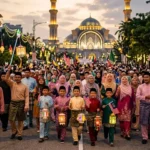
In the evening, many cities organize Wesak processions.
These events include:
- Decorated floats carrying Buddha statues
- Devotees holding lanterns
- Chanting of Buddhist prayers
- Display of Buddhist flags
The processions symbolize spreading the message of peace, harmony, and enlightenment throughout society.
Symbolism of Wesak Day
Several important symbols appear during Wesak celebrations.
Lotus Flower
Represents spiritual awakening and purity.
Lanterns
Symbolize the light of wisdom overcoming darkness and ignorance.
Candles and Incense
Signify devotion and respect to the Buddha and his teachings.
Vegetarian Food
Reflects compassion toward all living beings.
Wesak Day and Tourism
Wesak Day is also an opportunity for visitors to experience Malaysia’s rich cultural traditions.
Popular temples such as:
- Kek Lok Si Temple
- Thean Hou Temple
- Buddhist Maha Vihara
welcome thousands of tourists interested in witnessing lantern displays, prayers, and traditional Buddhist ceremonies.
Public Holiday Information
As Wesak Day is a national public holiday, the following may apply:
- Government offices and schools are closed
- Some banks operate on limited hours
- Major temples and religious sites become crowded
- Shopping malls and restaurants generally remain open
Travelers are advised to plan ahead due to increased traffic near temples and religious venues.
The Spiritual Message of Wesak
At its core, Wesak Day encourages reflection on the teachings of the Buddha, which emphasize:
- Compassion for all beings
- Wisdom and mindfulness
- Ethical living
- Inner peace
These timeless principles continue to inspire millions of people across Malaysia and around the world.

- Temperature
- Precipitation
- Rain Chance
- Wind
- Humidity
- Pressure


Conclusion
Wesak Day 2026 on 31 May is a significant spiritual occasion for Buddhists in Malaysia and beyond. Through temple ceremonies, charitable acts, meditation, and vibrant processions, the festival celebrates the life and teachings of Gautama Buddha while promoting compassion, harmony, and peace within society.

Comments are closed.