

Chinatown Central Singapore

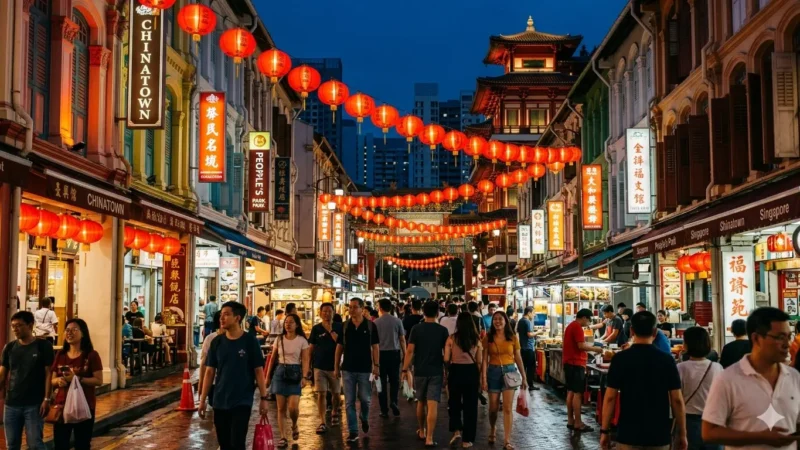
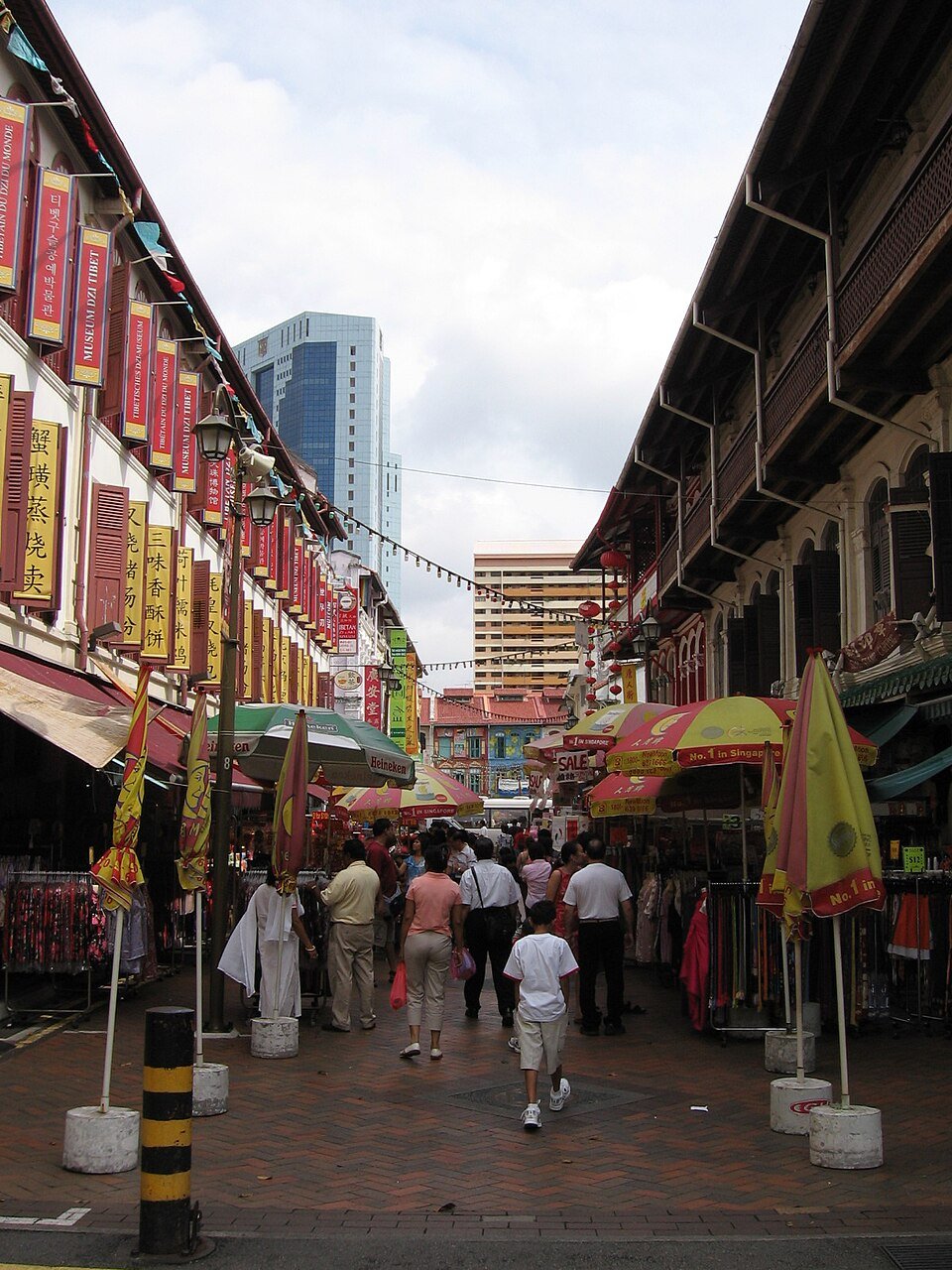
Singapore ChinaTown Central
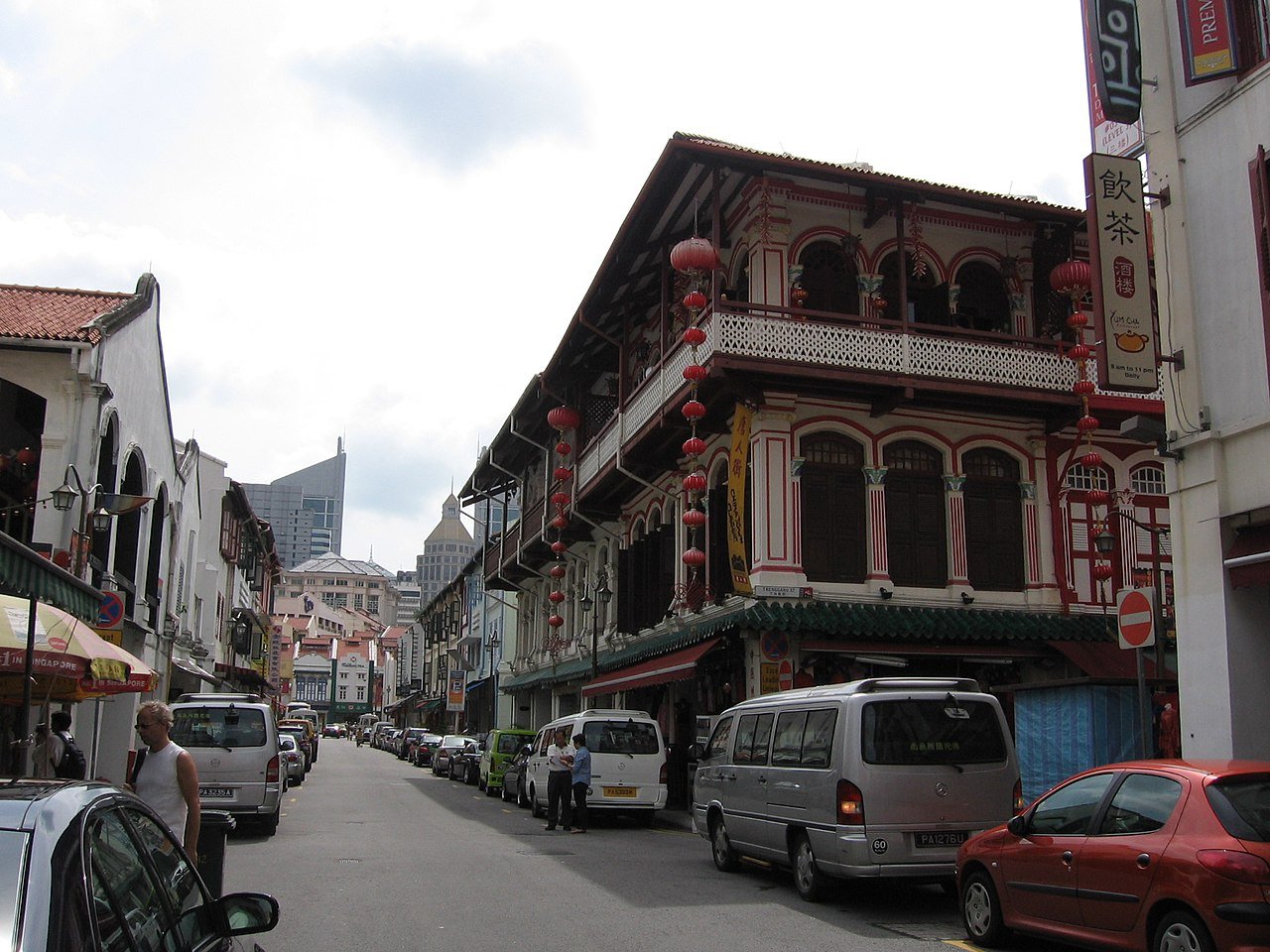
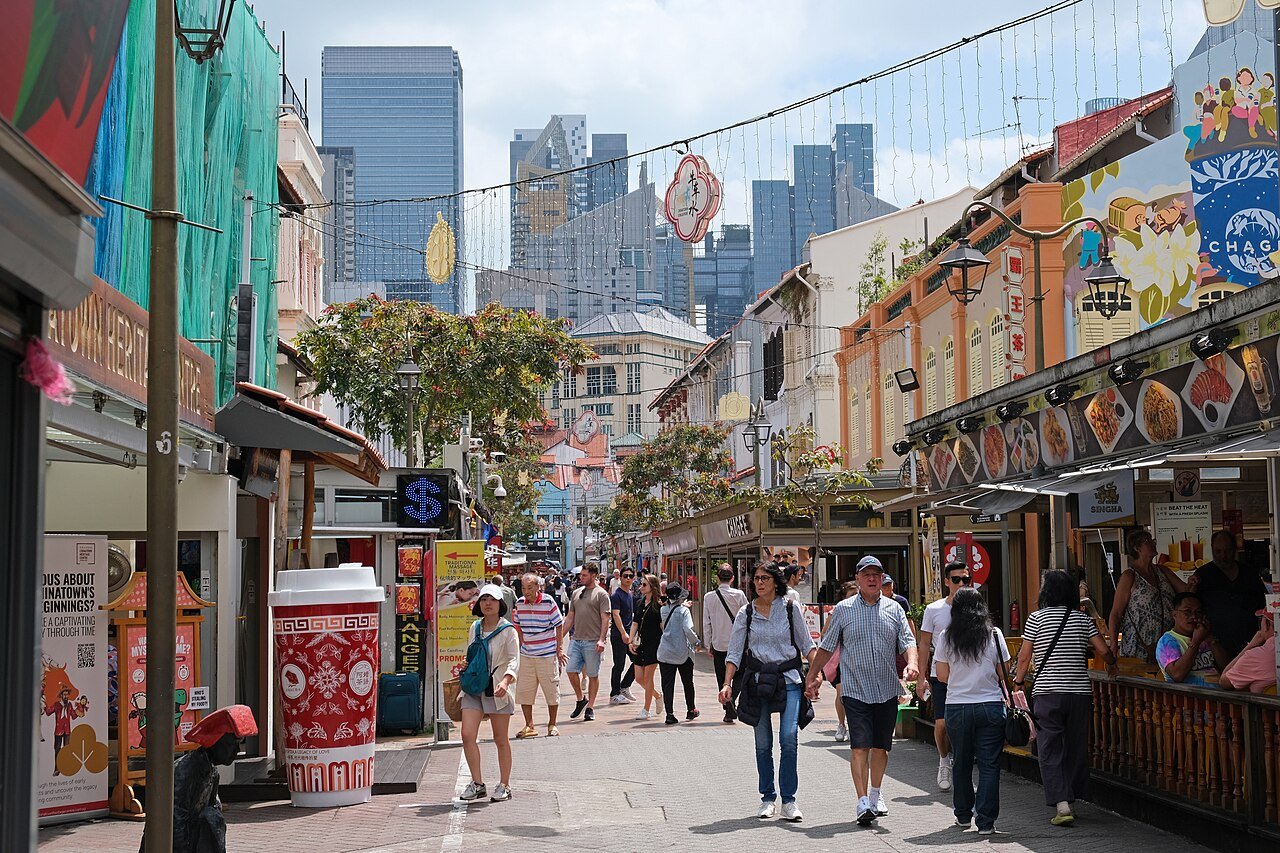
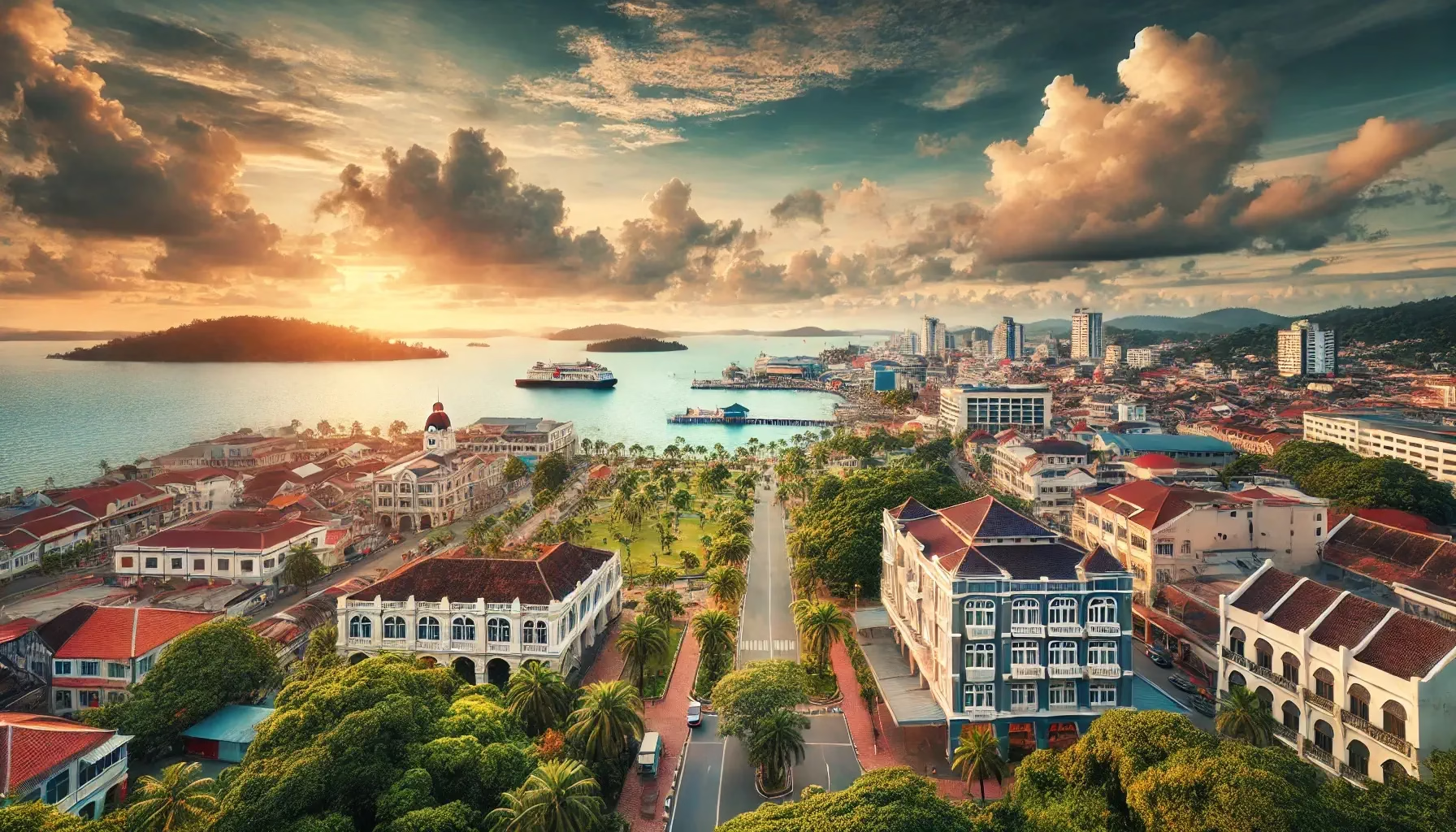
Chinatown Central in Singapore is a dynamic cultural district where history, tradition, and modern lifestyle come together. Famous for its bustling street markets, iconic temples, and delicious local food, Chinatown is one of the top tourist attractions in Singapore.
About Chinatown Central
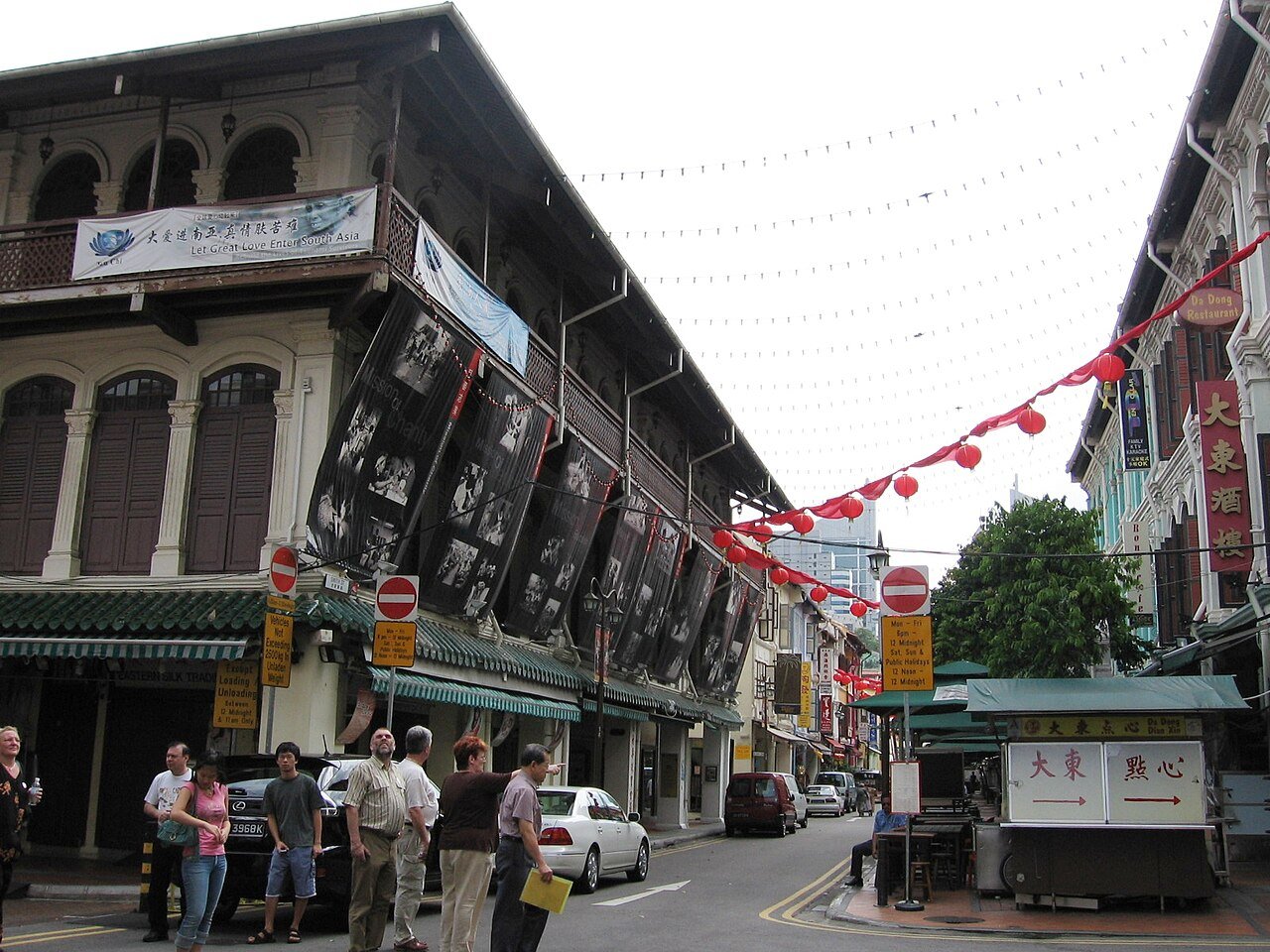
Chinatown reflects the heritage of Chinese immigrants who settled in Singapore during the 19th century. Today, the district is a beautifully preserved neighborhood filled with traditional shophouses, vibrant streets, and cultural landmarks.
| Category | Details |
|---|---|
| Location | Chinatown, Central Region, Singapore |
| Established | Early 1820s under the town plan of Sir Stamford Raffles |
| Known For | Heritage shophouses, temples, street markets, hawker food, cultural attractions, and nightlife |
| Main Attractions | Buddha Tooth Relic Temple, Chinatown Heritage Centre, Sri Mariamman Temple, Maxwell Food Centre |
| Famous Streets | Pagoda Street, Temple Street, Smith Street, Sago Street, Trengganu Street |
| Nearest MRT | Chinatown MRT Station (North East & Downtown Lines) |
| Best Time to Visit | Late afternoon to evening (4:00 PM–9:00 PM) for shopping, dining, and vibrant street atmosphere |
| Entry Fee | Free to explore the district (individual attractions may charge admission) |
| Recommended Duration | 3–5 hours |
| Best For | Culture, history, local food, photography, shopping, and heritage walks |
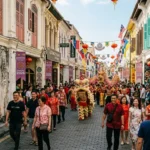
| Highlights | Chinese temples, colorful murals, souvenir shops, traditional medicine stores, hawker centres, cafés, and festive decorations during Chinese New Year and Mid-Autumn Festival |
Major highlights include the stunning Buddha Tooth Relic Temple and the historic Sri Mariamman Temple, symbolizing Singapore’s multicultural harmony. The area also blends modern cafes, bars, and boutique shops, making it a lively destination day and night.
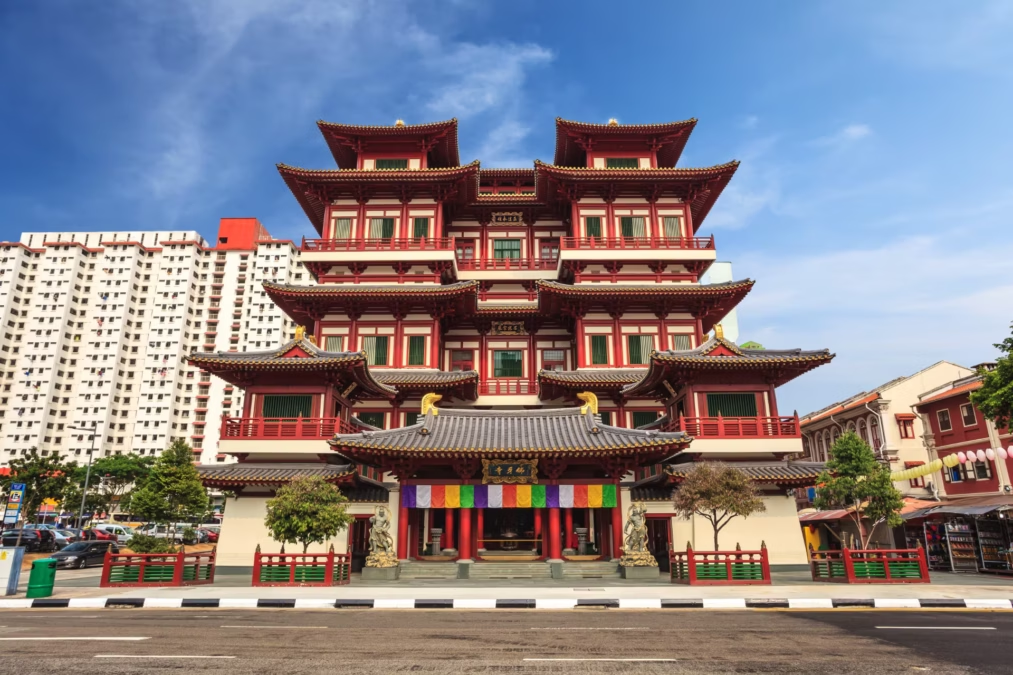
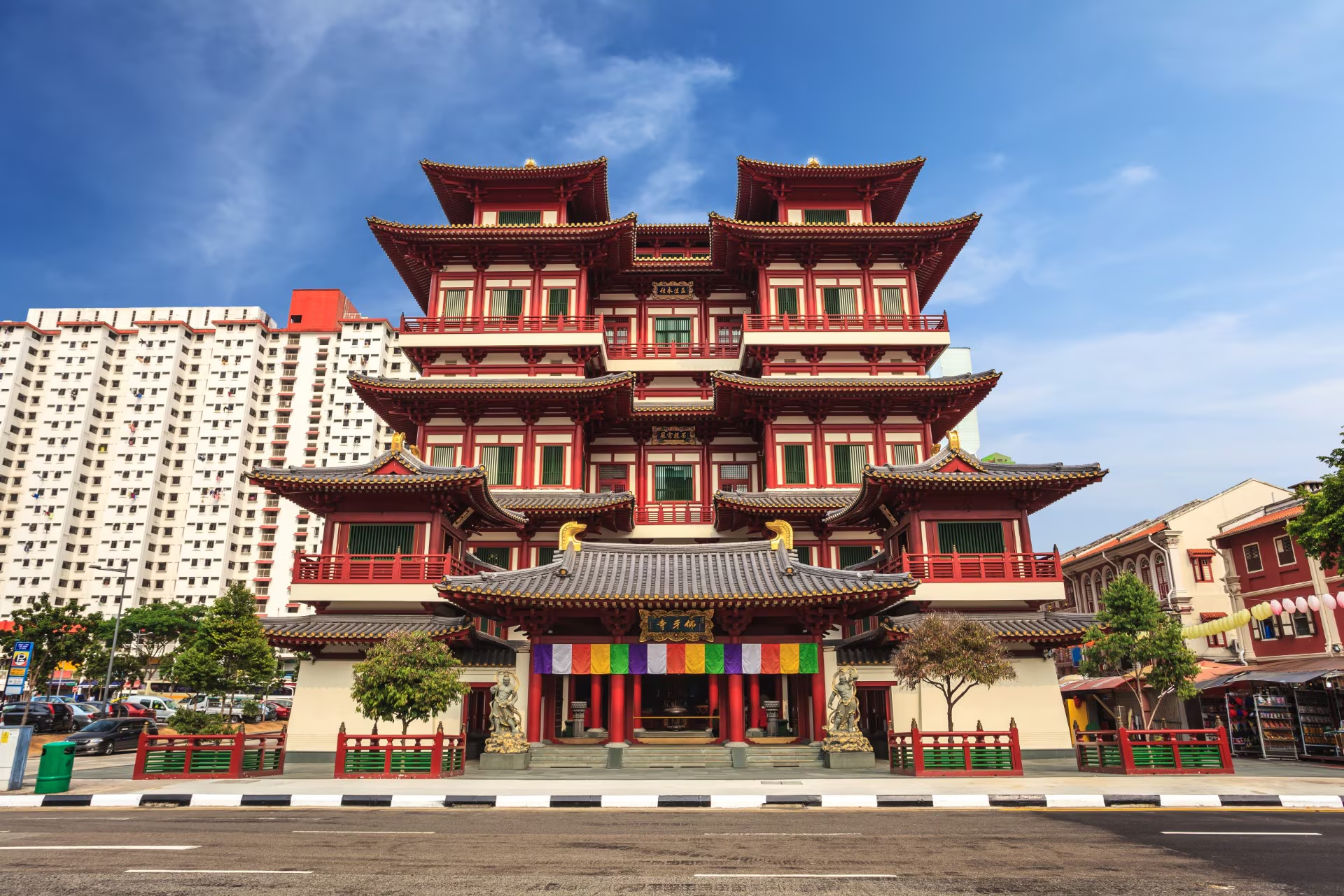
Chinatown’s maze of narrow roads includes Chinatown Food Street, with its restaurants serving traditional fare like Hainanese chicken rice, noodles and satay. Souvenir shops and indie boutiques dot the area, offering clothes, crafts and antiques, while Club Street is full of trendy wine bars. Cultural institutions here include the 1827 Sri Mariamman Temple and the ornate Buddha Tooth Relic Temple and Museum.
Must-Try Experiences
Chinatown Central Singapore is a vibrant cultural district packed with historic temples, street art, and famous food centers. Here is the must try Option.
1. Explore Chinatown Street Market
Walk along Pagoda Street and Trengganu Street to shop for souvenirs, traditional crafts, and clothing.
2. Visit Buddha Tooth Relic Temple
Admire its grand Tang-style architecture, museum exhibits, and peaceful rooftop garden.
3. Eat at Chinatown Complex Food Centre
Enjoy authentic Singaporean dishes like chicken rice, satay, and laksa at affordable prices.
4. Discover Chinatown Heritage Centre
Dive into the history of early settlers through interactive exhibits and restored interiors.
5. Experience Chinatown at Night
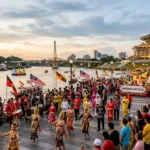
The district transforms into a lively hub with lantern-lit streets, night shopping, and street performances.
Ticket Details
| Attraction / Expense | Estimated Cost |
|---|---|
| Entry Fee (Chinatown) | Free |
| Buddha Tooth Relic Temple | Free (Donations Welcome) |
| Chinatown Heritage Centre | SGD 15–25 |
| Average Food Cost | SGD 5–15 per meal |
Street Names Origin
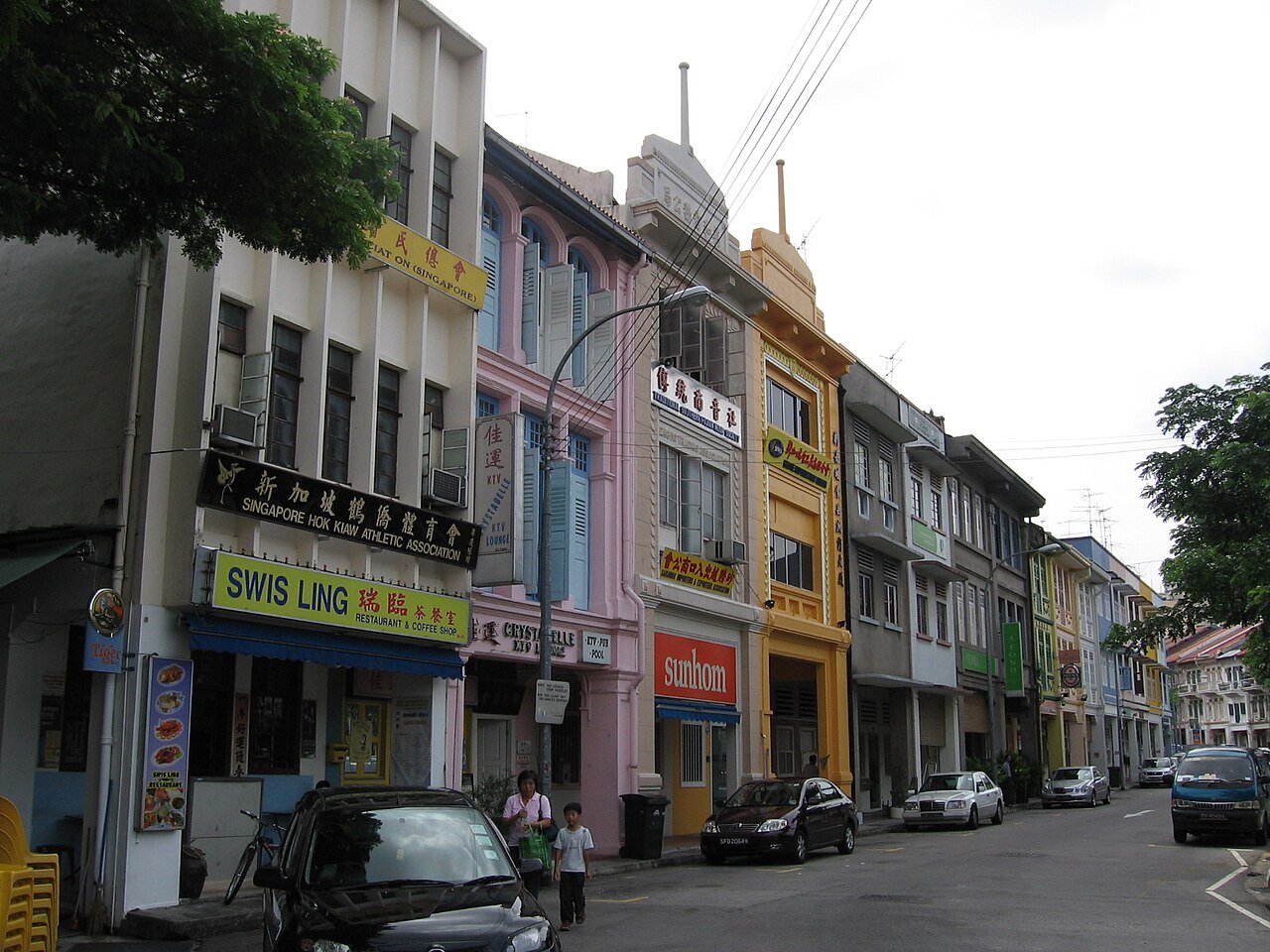
| Street | Origin (Brief) | Historical Note |
|---|---|---|
| Temple Street | Named after the Sri Mariamman Temple. Renamed in 1908 from Almeida Street. | Previously called Almeida Street after Joaquim d’Almeida. |
| Mosque Street | Named after the Jamae Mosque, completed in 1830. | Home to Chulia and Malay Muslim communities; once had around ten horse stables. |
| Pagoda Street | Named after the nearby Sri Mariamman Temple. | Former centre for slave trading, coolie lodgings, and opium dens during the 19th century. |
| Sago Lane | Named after the sago factories established in the 1840s. | Later became well known for its funeral and funerary businesses. |
| Sago Street | Also named after the sago-processing factories in the area. | Once part of Chinatown’s thriving sago industry. |
| Smith Street | Believed to be named after Sir Cecil Clementi Smith. | He served as Governor of the Straits Settlements from 1887 to 1893. |
| Trengganu Street | Named after Terengganu. | Once known as the “Piccadilly of Chinese Singapore” and now a popular Chinatown tourist street. |
Facilities
- Clean public restrooms
- Easy MRT access (Chinatown Station)
- Food courts and restaurants
- Souvenir shops and retail outlets
- Currency exchange and ATMs
- Tourist information centers
Nearby Attractions
- Clarke Quay – Riverside dining and nightlife
- Merlion Park – Iconic Singapore landmark
- Marina Bay Sands – Luxury shopping and skyline views
- Orchard Road – World-class shopping destination
Rating & Reviews
- Overall Rating: 4.5/5
- Visitors love the vibrant atmosphere, cultural richness, and affordable food options.
- It can get crowded during weekends and festivals, especially Chinese New Year.
How to Reach
- MRT: Chinatown Station (North-East & Downtown Lines)
- Bus: Well-connected via multiple routes
- Taxi/Grab: Easily accessible from anywhere in Singapore
- Walking: Close to central attractions like Clarke Quay
My Review
Chinatown Central offers one of the most authentic cultural experiences in Singapore. The lively streets, historical temples, and incredible food make it a must-visit destination. Walking through the lantern-lit streets at night is especially memorable and gives a true sense of the city’s heritage.
Chinatown Central is a perfect blend of history, culture, and modern attractions. Whether you are a food lover, history enthusiast, or casual traveler, this district promises an enriching and enjoyable experience. Its accessibility and vibrant energy make it an essential stop on any Singapore itinerary.

 28°C
28°C
- Temperature
- Precipitation
- Rain Chance
- Wind
- Humidity
- Pressure


FAQ
Q1: What is Chinatown Central famous for?
Chinatown is famous for its street markets, temples, cultural heritage, and food scene.
Q2: Is Chinatown free to visit?
Yes, most attractions are free except specific museums.
Q3: What is the best time to visit?
Evenings are best for atmosphere; mornings are quieter.
Q4: Is it family-friendly?
Yes, it is safe and suitable for all age groups.

Comments are closed.