

Sarawak Day 2026 in Malaysia

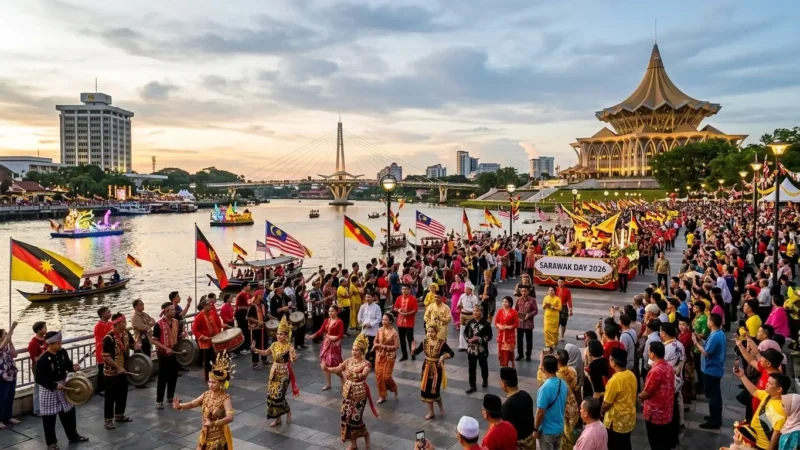
Sarawak Day is an important annual public holiday celebrated in the Malaysian state of Sarawak. The day commemorates 22 July 1963, when Sarawak achieved self-governance from the United Kingdom after decades of colonial administration.
The occasion is deeply meaningful for the people of Sarawak because it marks the moment when local leaders took over the administration of the state before later joining Malaysia.
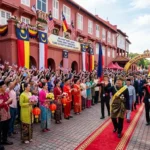
Today, Sarawak Day is observed with official ceremonies, cultural performances, historical exhibitions, and community celebrations across the state.
When Is Sarawak Day 2026?
- Holiday: Sarawak Day
- Date: 22 July 2026
- Day: Wednesday
- Type: State Public Holiday
- Observed in: Sarawak, Malaysia
Government offices, schools, and many businesses in Sarawak remain closed while celebrations take place throughout the state.
Historical Background of Sarawak Day
The history of Sarawak Day is closely tied to the political development of Sarawak during the 19th and 20th centuries.
The Brooke Dynasty
Sarawak was originally ruled by the White Rajahs, a dynasty established by James Brooke in 1841. The Brooke family governed Sarawak for over a century.
British Crown Colony
After World War II, Sarawak became a British Crown Colony in 1946 under the administration of the United Kingdom.
Self-Governance in 1963
On 22 July 1963, Sarawak was granted internal self-government. This meant that local leaders would manage the state’s administration instead of the colonial government.
During this transition:
- Stephen Kalong Ningkan became the first Chief Minister of Sarawak.
- Local institutions began governing the state’s political and administrative affairs.
Formation of Malaysia
Just weeks after gaining self-governance, Sarawak joined the Federation of Malaysia on 16 September 1963, alongside:
This historic moment eventually shaped modern Malaysia.
When Did Sarawak Day Become a Public Holiday?
Although the historical event happened in 1963, Sarawak Day was only officially declared a public holiday in 2016.
The state government of Sarawak recognized the importance of the day in strengthening historical awareness and celebrating Sarawak’s identity within Malaysia.
Since then, it has become one of the most meaningful state holidays.
Significance of Sarawak Day
Sarawak Day holds several layers of meaning for the people of the state.
1. Recognition of Self-Governance
The day marks the transfer of administrative authority from colonial rule to Sarawak’s own leaders.
2. Celebration of Sarawak Identity
Sarawak has a distinct cultural and historical identity compared with other Malaysian states.
3. Appreciation of History
The holiday reminds citizens about the historical journey toward autonomy and statehood.
4. Unity Among Diverse Communities
Sarawak is known for its harmonious multicultural society consisting of many ethnic groups including:
- Iban
- Bidayuh
- Melanau
- Orang Ulu
- Malay
- Chinese
Sarawak Day celebrates the unity among these communities.
How Sarawak Day Is Celebrated
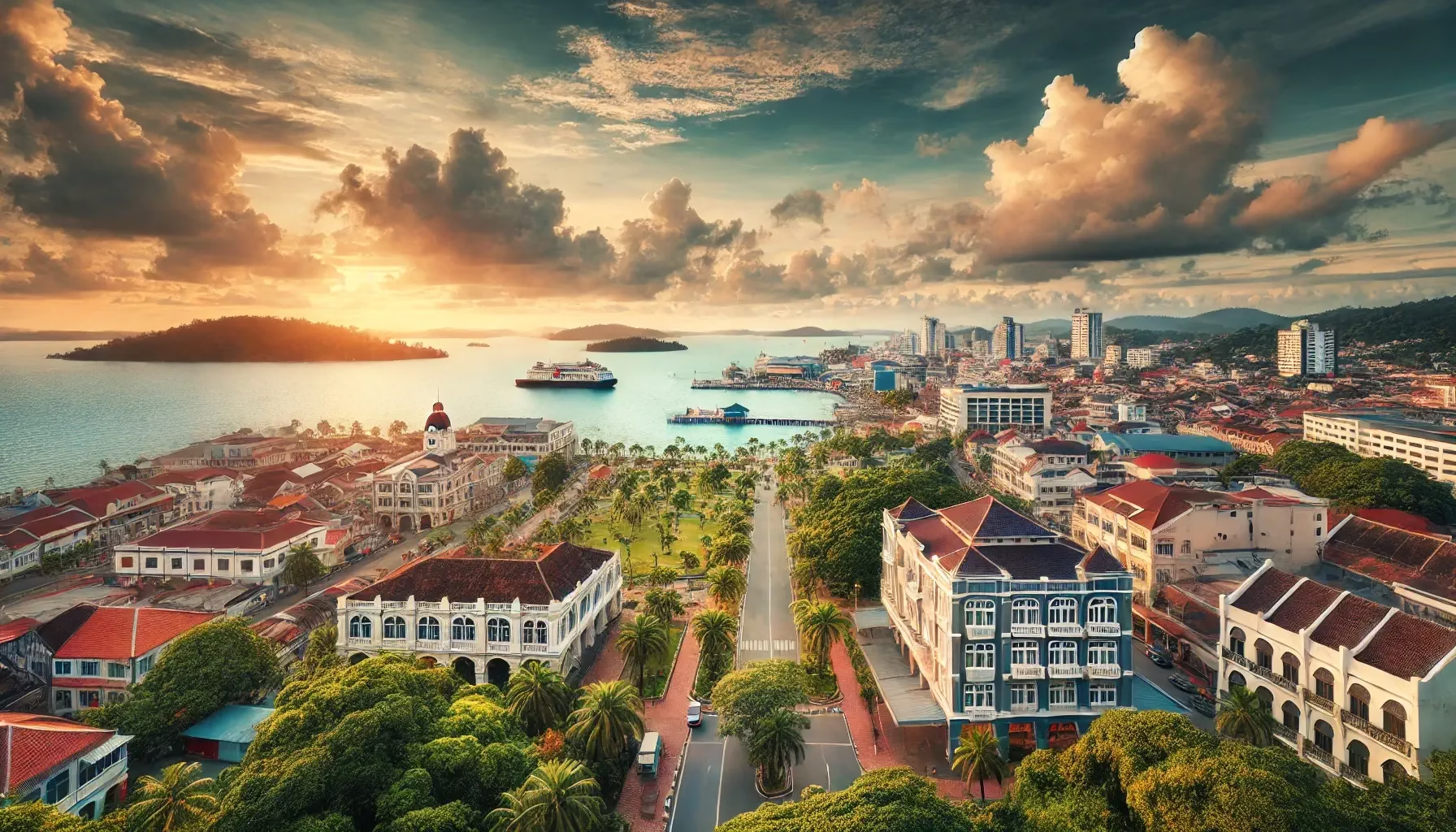
Festivities are held across Sarawak, with major events taking place in the capital city Kuching.
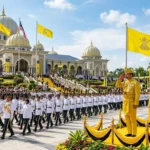
Official Government Ceremonies
The Sarawak state government organizes formal celebrations including:
- State-level ceremonies
- Flag-raising events
- Speeches by government leaders
- Cultural presentations
These ceremonies often highlight Sarawak’s achievements and development.
Cultural Performances
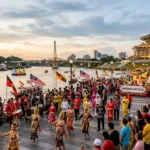
Sarawak Day showcases the state’s vibrant cultural heritage through traditional music and dance.
Popular cultural performances include:
- Ngajat dance of the Iban community
- Bidayuh traditional dances
- Orang Ulu music performances
Heritage Exhibitions
Museums and cultural institutions organize exhibitions displaying:
- Historical photographs
- Colonial-era documents
- Traditional costumes
- Indigenous crafts
Community Celebrations
Local communities celebrate with:
- Cultural parades
- Food festivals
- Traditional games
- Youth activities and competitions
These events create a festive atmosphere across towns and villages.
Major Places Where Sarawak Day Is Celebrated
Kuching
The capital city hosts the main official ceremonies and cultural shows.
Key venues include:
- Padang Merdeka
- Sarawak State Legislative Assembly Building
Sibu
Known for community celebrations, cultural performances, and food festivals.
Miri
Local parades and cultural activities attract both residents and visitors.

 32°C
32°C
- Temperature
- Precipitation
- Rain Chance
- Wind
- Humidity
- Pressure


Bintulu
Community events and heritage exhibitions are common here.
Tourism During Sarawak Day
Sarawak Day is a great time for visitors to explore the culture and history of the state.
Tourists can experience:
- Indigenous traditions
- Traditional Sarawak cuisine
- Cultural exhibitions
- Historical landmarks
Sarawak is located on the island of Borneo, the third-largest island in the world.
Popular attractions include:
- Bako National Park
- Sarawak Cultural Village
- Gunung Mulu National Park
These places highlight the state’s natural beauty and indigenous culture.
Interesting Facts About Sarawak Day
- Sarawak Day commemorates self-rule, not independence.
- It became a public holiday in 2016.
- Sarawak is the largest state in Malaysia by land area.
- The celebrations emphasize Sarawak’s multicultural identity.
- Many Sarawakians proudly display the state flag during the holiday.
Travel Tips for Sarawak Day Visitors
If you plan to visit Sarawak during Sarawak Day:
Plan ahead
- Book hotels early, especially in Kuching.
Expect large crowds
- Popular venues may become crowded due to official events.
Explore cultural attractions
- Museums and cultural villages offer special exhibitions during the holiday.
Try local food
Popular Sarawak dishes include:
- Laksa Sarawak
- Kolo Mee
- Midin (wild jungle fern dish)
Conclusion
Sarawak Day is a meaningful celebration of history, culture, and identity in Sarawak. Held every 22 July, the holiday commemorates the moment Sarawak achieved self-governance from the United Kingdom in 1963.
From official ceremonies in Kuching to community festivals across the state, Sarawak Day highlights the pride, unity, and heritage of the people of Sarawak within Malaysia.



Comments are closed.