

Harvest Festival (Kaamatan) 2026

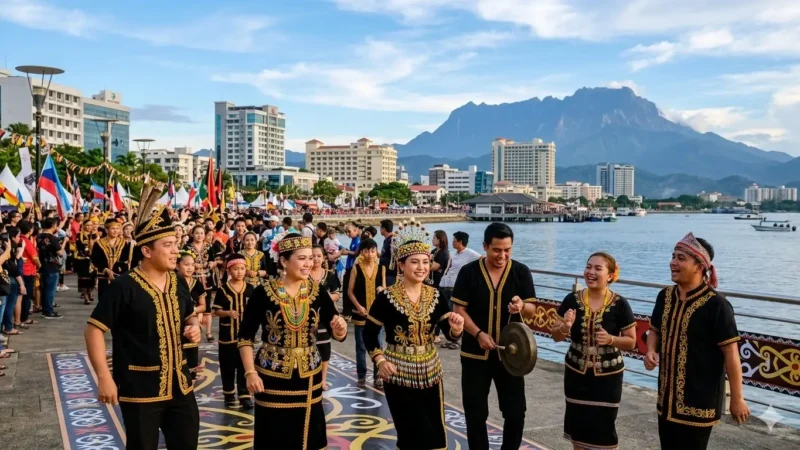
The Harvest Festival, widely known as Kaamatan, is one of the most important cultural celebrations in East Malaysia. Observed mainly in Sabah and the Federal Territory of Labuan, the festival is a thanksgiving event marking the successful rice harvest.
In 2026, the Harvest Festival public holiday falls on Saturday, 30 May. The celebration reflects the deep agricultural traditions of the indigenous communities of Sabah, particularly the Kadazan-Dusun people, who have practiced rice cultivation for generations.
Kaamatan is not only a harvest celebration but also a symbol of cultural identity, community unity, and gratitude for nature’s abundance.
What is Kaamatan?
Kaamatan is a traditional harvest thanksgiving festival celebrated to honor the spirit of rice and give thanks for a good harvest season.
Rice plays a central role in the culture and daily life of Sabah’s indigenous communities. According to traditional beliefs, rice contains a spiritual essence known as Bambarayon, which must be respected to ensure continued prosperity.
The festival therefore represents:
- Gratitude for a successful harvest
- Respect for nature and the land
- Preservation of indigenous traditions
- Strengthening of community bonds
Today, Kaamatan has evolved into a statewide cultural celebration, attracting visitors from across Malaysia and around the world.
Historical and Mythological Origins
The roots of Kaamatan are closely tied to the Kadazan-Dusun legend of Huminodun, the daughter of the creator deity Kinorohingan.
According to the legend:
- A devastating famine once struck the land.
- The people faced starvation and hardship.
- To save humanity, Huminodun willingly sacrificed herself.
After her sacrifice, different parts of her body transformed into essential crops, including rice, which allowed the people to survive.
This story symbolizes sacrifice, renewal, and the cycle of life, and it remains a central spiritual narrative behind the Kaamatan celebration.
When and Where Kaamatan is Celebrated
Kaamatan celebrations take place throughout the entire month of May across Sabah. The largest events typically happen in Kota Kinabalu and the district of Penampang.
The main closing celebrations are held at the Kadazandusun Cultural Association Cultural Village, which serves as the cultural hub for the festival.
Communities across towns and villages organize their own Kaamatan events, creating a festive atmosphere throughout the region.
Major Events and Festival Highlights
Traditional Music and Cultural Performances
Cultural performances play an important role during Kaamatan celebrations. Visitors can witness traditional music played with gongs and drums, along with folk dances such as the famous Sumazau Dance.
The Sumazau dance features graceful arm movements that mimic the flight of birds over paddy fields and is one of the most recognizable symbols of Sabah’s indigenous culture.
Unduk Ngadau Beauty Pageant
A major highlight of the festival is the Unduk Ngadau.
This prestigious cultural pageant:
- Celebrates Kadazan-Dusun heritage
- Honors the spirit of Huminodun
- Showcases traditional costumes and cultural knowledge
Contestants represent districts across Sabah, and the winner becomes a cultural ambassador for the community.
Cultural Competitions and Activities
During Kaamatan, many community competitions and activities are organized, including:
- Traditional sports and games
- Singing competitions featuring indigenous songs
- Cultural costume contests
- Handicraft exhibitions
- Agricultural displays and fairs
These activities highlight the rich cultural diversity and traditions of Sabah’s indigenous communities.
Traditional Food and Drinks
Food is an essential part of Kaamatan celebrations. The festival provides an opportunity for locals and visitors to enjoy authentic Sabahan cuisine.
Popular dishes include:
- Hinava – a traditional raw fish salad prepared with lime juice, ginger, and chili
- Bambangan – pickled wild mango fruit
- Tuhau – a dish made from wild ginger stems
- Tapai – fermented rice wine traditionally served during celebrations
These traditional foods reflect the unique culinary heritage of Sabah’s indigenous communities.
Cultural Significance of Kaamatan
Kaamatan holds deep cultural and social importance in Sabah. Beyond celebrating the harvest, the festival serves several key purposes:
Preserving Indigenous Heritage
The festival helps protect and promote Kadazan-Dusun traditions, language, and customs.
Strengthening Community Bonds
Families, villages, and communities come together to celebrate and reconnect.
Promoting Cultural Tourism
Kaamatan has become a major tourism attraction, drawing visitors interested in experiencing authentic indigenous culture.
Educating Younger Generations
Cultural programs and school activities help pass traditional knowledge to future generations.
Public Holiday in Sabah and Labuan
The Harvest Festival is officially recognized as a state public holiday in Sabah and Labuan. Government offices, schools, and many businesses may close or operate on reduced hours, allowing people to participate fully in the celebrations.
The public holiday also encourages travel within the region, as many visitors come to experience the colorful cultural events and festivities.
Visiting Kaamatan as a Tourist
For visitors planning to experience Kaamatan, the festival offers a unique opportunity to explore Sabah’s cultural heritage.
Tourists can:
- Watch traditional dance performances
- Taste indigenous cuisine
- Visit cultural villages and exhibitions
- Attend the Unduk Ngadau grand finals
- Participate in community celebrations
The welcoming atmosphere makes Kaamatan one of the most enjoyable cultural festivals in Malaysia.

 24°C
24°C
- Temperature
- Precipitation
- Rain Chance
- Wind
- Humidity
- Pressure


Conclusion
The Harvest Festival, or Kaamatan, remains a powerful symbol of Sabah’s cultural identity and agricultural heritage. Rooted in the traditions of the Kadazan-Dusun people, the festival celebrates gratitude, unity, and respect for nature.
As Sabah and Labuan observe Kaamatan on 30 May 2026, the celebration continues to preserve centuries-old traditions while bringing communities together in a vibrant display of culture, music, food, and storytelling.

Comments are closed.