

Hari Gawai 2026-Sarawak’s Vibrant Harvest Festival Celebration

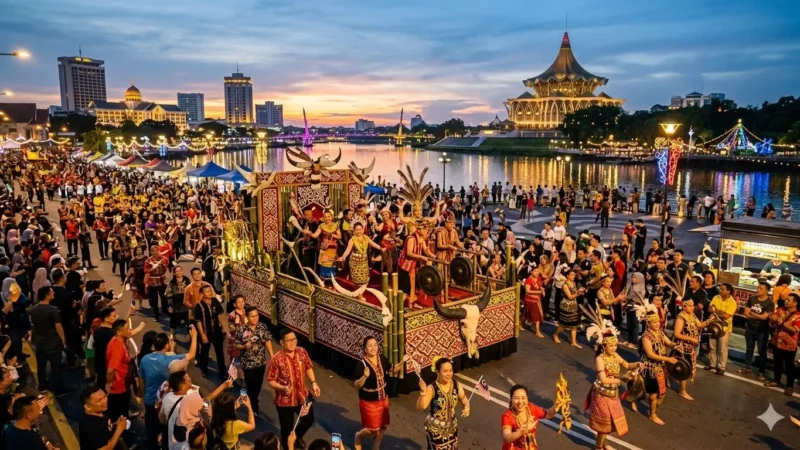
Hari Gawai, also known as Gawai Dayak, is a major cultural festival celebrated in the Malaysian state of Sarawak. Observed annually on 1 June, the festival marks the end of the rice harvesting season and celebrates the traditions, heritage, and unity of the Dayak communities including the Iban, Bidayuh, and Orang Ulu.
The celebration is recognized as an official public holiday in Sarawak and is one of the most important cultural events in the region.
What is Hari Gawai?
Hari Gawai is a harvest thanksgiving festival where communities express gratitude for a successful farming season and pray for prosperity and blessings in the coming year. The festival highlights the importance of rice cultivation, which has historically been central to Dayak life and culture.
Celebrations usually begin on the evening of 31 May (Gawai Eve) and continue throughout 1 June, often extending for several days in many villages and longhouses.
Historical Background
Hari Gawai was officially declared a public holiday in 1965, shortly after Sarawak joined Malaysia. The Dayak community leaders proposed the celebration to honor indigenous culture and agricultural traditions.
The word “Gawai” means festival or celebration, while “Dayak” refers to the indigenous people of Sarawak. Over the decades, Hari Gawai has grown into a symbol of cultural pride and identity for the Dayak people.
Cultural Significance
The festival represents several important values:
- Gratitude for the harvest
- Community unity
- Respect for ancestral traditions
- Celebration of Dayak culture and heritage
Rice is regarded as sacred in Dayak culture, and many rituals are performed to honor the rice spirit (Semangat Padi).
Traditional Rituals and Ceremonies
Muai Antu Rua
This ritual is performed to drive away negative spirits and bad luck, ensuring a fresh and prosperous start for the new farming season.
Miring Ceremony
A sacred ritual where offerings such as food, rice wine, and symbolic items are presented to the spirits and ancestors to seek blessings.
Ngajat Dance
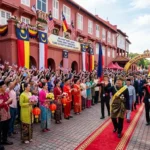
The Ngajat is a traditional Dayak warrior dance performed during Gawai celebrations. Dancers wear colorful costumes decorated with beads, feathers, and traditional ornaments.
Longhouse Gatherings
Many Dayak families live in longhouses, traditional communal homes. During Hari Gawai, longhouses host large gatherings where families welcome guests and celebrate together.
Traditional Hari Gawai Foods
Food plays an important role during the festival. Popular dishes include:
- Manok Pansoh – chicken cooked in bamboo with herbs
- Kasam Fish – fermented fish dish
- Penganan Kuih – traditional local cakes and snacks
- Pulut (glutinous rice) – often served during rituals
- Tuak – traditional rice wine that symbolizes hospitality
Meals are often prepared collectively, strengthening community bonds.
Major Places Celebrating Hari Gawai
The festival is celebrated across Sarawak, especially in rural communities and longhouses. Major cities also host cultural events and tourism programs, including:
These cities organize cultural performances, exhibitions, and open house celebrations during the festival.
Modern Hari Gawai Celebrations
Today, Hari Gawai blends traditional customs with modern festivities. Activities often include:
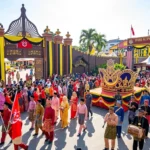
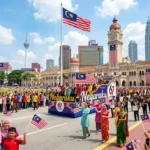
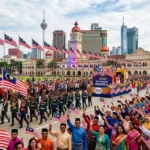
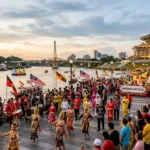
- Cultural parades and performances
- Kumang Gawai beauty pageants celebrating traditional attire
- Music concerts and community gatherings
- Tourism events showcasing Dayak culture
- Family reunions and festive feasts
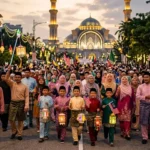
Many people travel back to their hometowns to celebrate with family, making it one of the most anticipated holidays in Sarawak.
Travel Tips for Visitors
Visitors who wish to experience Hari Gawai can enjoy a unique cultural journey by:
- Visiting a traditional longhouse celebration
- Watching authentic Ngajat dance performances
- Tasting local Sarawakian cuisine and tuak rice wine
- Participating in community open houses
Respecting local traditions and customs is important when attending ceremonies.
Economic and Tourism Impact
Hari Gawai also contributes significantly to Sarawak’s tourism industry. Cultural festivals, heritage events, and tourism campaigns attract visitors interested in indigenous traditions and local lifestyles.
Hotels, restaurants, and travel services in cities like Kuching and Miri often see increased activity during the festive period.

 28°C
28°C

Conclusion
Hari Gawai is more than a harvest celebration—it is a powerful expression of Dayak heritage, gratitude, and community spirit. Through traditional rituals, cultural performances, and joyful gatherings, the festival continues to preserve Sarawak’s indigenous traditions while welcoming visitors to experience its vibrant culture.
Each year on 1 June, the people of Sarawak come together to celebrate their harvest, heritage, and hopes for prosperity in the year ahead.

Comments are closed.