

Fresh Coconut Water

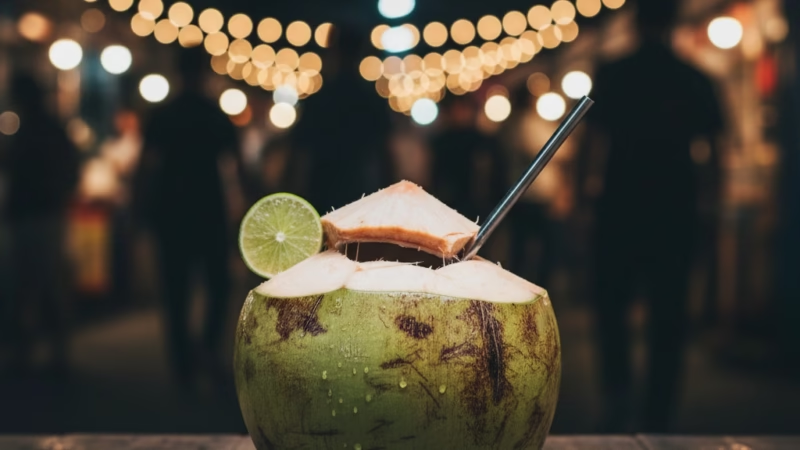
Item / Food Item
Fresh Coconut Water
Origin
Tropical regions; primarily Southeast Asia, South Asia, the Caribbean, and Pacific Islands
Category
Beverage / Natural Drink
Appearance
Clear to slightly cloudy liquid, pale greenish or transparent; served in the coconut or a glass
Ingredients
- Water from young green coconuts
- Optional: ice, lime, or natural sweeteners
Preparation
- Crack open a young green coconut
- Pierce or slice to access the liquid
- Serve chilled, optionally with ice or added flavors
Equipment
- Coconut opener / machete
- Straw or glass for serving
Variations
- Flavored coconut water (lime, mint, tropical fruits)
- Packaged coconut water (pasteurized, refrigerated)
- Blended coconut smoothies
Taste
Slightly sweet, nutty, refreshing with subtle earthy undertones
Texture
Thin, watery, smooth, very hydrating
Aroma
Mild, fresh, slightly sweet with tropical notes
Sound
Gentle sloshing when poured; cracking sound when opening coconut
Cultural Significance
Consumed in tropical regions for hydration and health benefits; associated with summer, beaches, and tropical lifestyle
Symbolism
Represents purity, natural refreshment, and tropical vitality
Regional Cuisine
Used in Southeast Asian, South Asian, Caribbean, and Pacific Island cuisines; also in cocktails and health drinks globally
Social Context
Sold at street stalls, beaches, supermarkets; consumed post-exercise, on hot days, or in social gatherings
Nutritional Information (per 100ml approx.)
- Calories: 19
- Carbohydrates: 3.7g
- Sugar: 2.6g
- Protein: 0.2g
- Fat: 0.2g
- Electrolytes: rich in potassium, magnesium, sodium, calcium
Health Benefits
- Excellent natural hydrator
- Supports electrolyte balance
- May help lower blood pressure
- Aids digestion and detoxification
Dietary Restrictions
Suitable for vegan, vegetarian, gluten-free, and dairy-free diets
Allergens
Generally allergen-free; caution for coconut allergies
Cost
Varies by region; inexpensive in coconut-producing countries, higher when imported or packaged
Production
Harvested from young green coconuts; consumed fresh or processed for packaged drinks
Sustainability
Coconuts are generally sustainable; packaging (if bottled) can affect environmental impact
Availability
Fresh in tropical countries year-round; packaged versions available globally
History
Consumed for centuries in tropical regions as a natural source of hydration and nutrition
Anecdotes
Often called “nature’s sports drink”; traditionally used in ceremonies and local remedies
How to Prepare
- Select a young green coconut
- Use a knife or opener to pierce the top
- Pour into a glass or drink directly with a straw
- Optional: add ice, mint, or lime for flavor

 27°C
27°C
- Temperature
- Precipitation
- Rain Chance
- Wind
- Humidity
- Pressure


FAQ
Q: Is fresh coconut water good for weight loss?
A: Yes, low in calories and hydrating, suitable as part of a balanced diet.
Q: Can you drink coconut water from mature brown coconuts?
A: Less sweet and more fibrous than young coconut water, but still drinkable.
Q: How should fresh coconut water be stored?












Comments are closed.