

Top 10 Cultural Festivals in Malaysia by Ethnic Group

A Celebration of Malaysia’s Diversity Through Festivals
Malaysia’s cultural fabric is a vibrant blend of Malay, Chinese, Indian, and indigenous traditions. This diversity is reflected in the wide variety of cultural festivals celebrated across the nation. Each festival offers a glimpse into the unique heritage, religious beliefs, and joyful traditions of different ethnic communities. Whether you’re a traveler or a culture enthusiast, here are the top 10 cultural festivals in Malaysia by ethnic group that you should experience at least once.
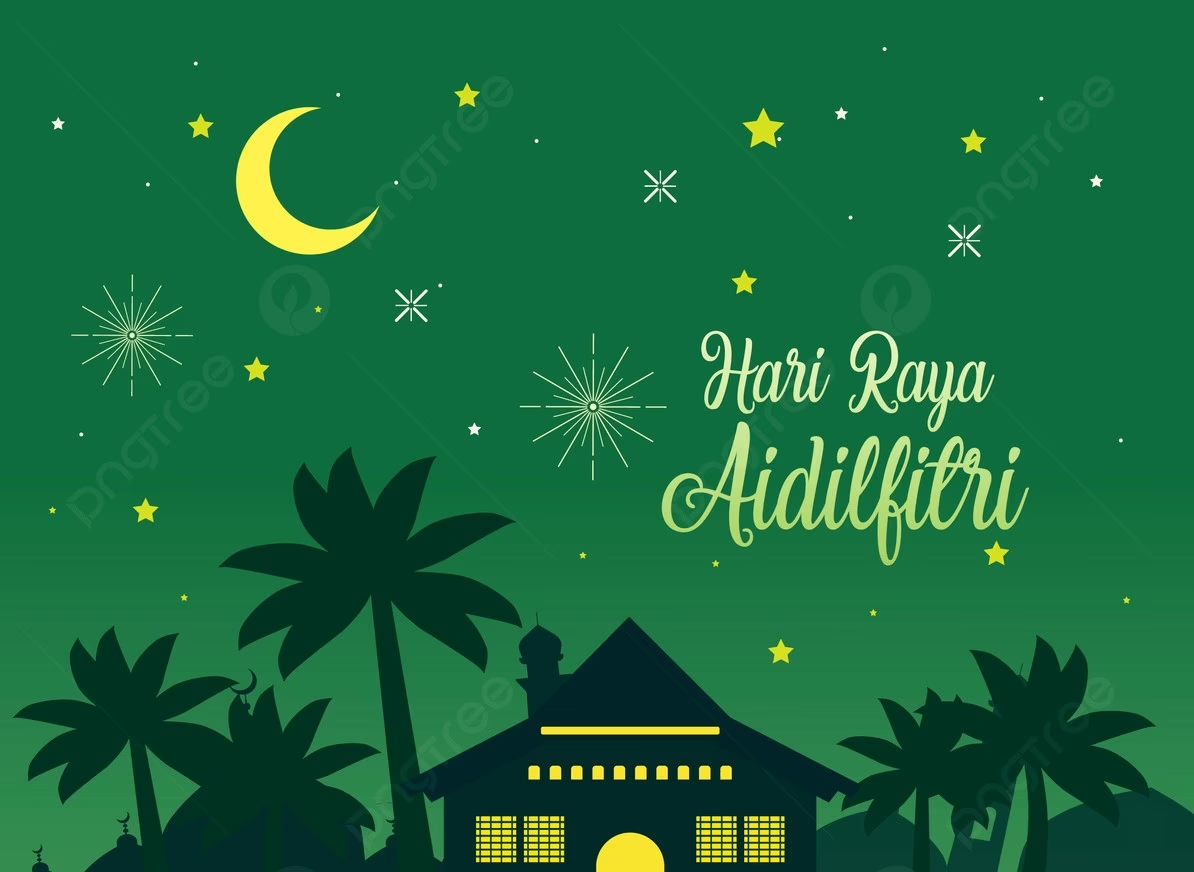
1. Hari Raya Aidilfitri – Malay-Muslim
- When: 1st day of Syawal (varies by Islamic calendar)
- Where: Nationwide, especially in Malay-majority states
- Key Highlights:
- Festive prayers at mosques
- Open houses with rendang, ketupat, and kuih raya
- Wearing traditional attire like baju Melayu and baju kurung
- Cultural Significance: Hari Raya marks the end of Ramadan and celebrates forgiveness, renewal, and unity among family and friends.
2. Chinese New Year – Chinese
- When: Late January to mid-February (1st day of Lunar calendar)
- Where: Penang, Kuala Lumpur, Ipoh, and Johor Bahru
- Key Highlights:
- Lion and dragon dances
- Red decorations and lanterns
- Ang pow (red packets) and family reunions
- Cultural Significance: A joyous celebration of new beginnings, prosperity, and the strengthening of family ties.
3. Deepavali – Indian-Hindu
- When: October or November (based on Hindu lunar calendar)
- Where: Klang, Seremban, Penang, and major Indian communities
- Key Highlights:
- Lighting oil lamps (diyas)
- Creating colourful kolam (rangoli) designs
- Traditional sweets and temple visits
- Cultural Significance: Known as the Festival of Lights, Deepavali celebrates the triumph of light over darkness and good over evil.
4. Kaamatan Festival – Kadazan-Dusun
- When: May 30–31
- Where: Sabah
- Key Highlights:
- Traditional dances like Sumazau
- Unduk Ngadau beauty pageant
- Rice wine (tapai) and communal feasts
- Cultural Significance: A thanksgiving festival that honours the rice spirit and celebrates a bountiful harvest.
5. Gawai Dayak – Iban & Bidayuh
- When: June 1–2
- Where: Sarawak
- Key Highlights:
- Longhouse gatherings
- Ngajat dance performances
- Drinking tuak (rice wine) and feasting
- Cultural Significance: A post-harvest festival that celebrates abundance, family unity, and traditional customs of the Dayak people.
6. Thaipusam – Tamil-Hindu
- When: January–February (Full moon of Thai month)
- Where: Batu Caves (Selangor), Penang, Ipoh
- Key Highlights:
- Devotees carrying kavadis and milk pots
- Piercing rituals and body suspension
- Chariot processions
- Cultural Significance: A powerful display of devotion, penance, and spiritual fulfilment in honour of Lord Murugan.
7. Wesak Day – Buddhist (Chinese & Thai Malaysians)
- When: May (Full Moon of Vesak)
- Where: Kuala Lumpur, Penang, Ipoh, and Buddhist temples
- Key Highlights:
- Candlelit processions
- Offerings at temples and bathing the Buddha statue
- Acts of charity and kindness
- Cultural Significance: Commemorates the birth, enlightenment, and death of Gautama Buddha.
8. Tadau Ka’amatan – Murut
- When: End of May
- Where: Interior Sabah (e.g., Keningau, Tenom)
- Key Highlights:
- Bamboo and sword dances
- Traditional music and warrior rituals
- Cultural exhibitions and craft displays
- Cultural Significance: Celebrates the rice harvest and honours ancestral spirits, with roots in animism and folklore.
9. Chingay Festival – Chinese (Hokkien Community)
- When: February–March (15th day of Chinese New Year)
- Where: Johor Bahru
- Key Highlights:
- Giant flag balancing acts
- Deity float parades
- Acrobatic lion dances
- Cultural Significance: A dynamic street parade originating from Penang, now a beloved tradition in Johor celebrating peace and prosperity.
10. Pesta Kaul – Melanau
- When: April (first full moon of the year)
- Where: Mukah, Sarawak
- Key Highlights:
- Ritual offerings to appease spirits of the sea and land
- Tibow swing ritual (giant ceremonial swing)
- Traditional dances and Melanau food
- Cultural Significance: A spiritual festival rooted in animism, symbolising purification and the start of a new season.

 28°C
28°C
- Temperature
- Precipitation
- Rain Chance
- Wind
- Humidity
- Pressure


Final Thoughts
Malaysia’s festivals are more than just public holidays—they are cultural experiences that offer insight into the beliefs, history, and identity of its people. Attending these festivals is one of the best ways to understand Malaysia’s multicultural soul and celebrate its living heritage.

Comments are closed.