

Hari Gawai Holiday 2026 (Second Day) in Sarawak

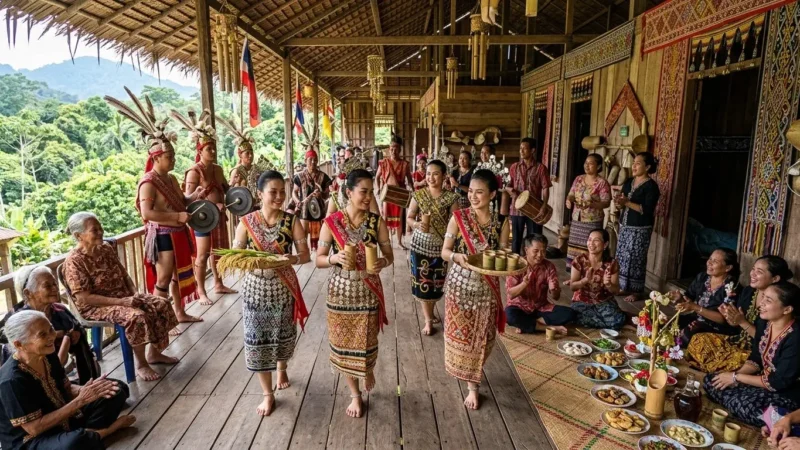
The Hari Gawai Holiday on 2 June 2026 (Tuesday) is a public holiday in Sarawak, marking the second day of the vibrant harvest celebration known as Gawai Dayak. The festival is celebrated primarily by the indigenous Dayak people, including communities such as the Iban, Bidayuh, and Orang Ulu.
Observed annually on June 1 and June 2, Hari Gawai is one of the most important cultural festivals in Sarawak. It celebrates the successful rice harvest and gives thanks for prosperity, health, and good fortune in the coming year.
Overview of Hari Gawai
Hari Gawai, also known as Gawai Dayak, is a traditional harvest festival rooted in the agricultural traditions of Sarawak’s indigenous communities. It reflects centuries-old customs tied to rice farming, spiritual beliefs, and communal harmony.
The celebrations begin on the evening of May 31, when families prepare food, decorate homes, and gather with relatives. At midnight on June 1, the festival officially begins with ceremonial rituals and communal celebrations.
While the first day focuses on rituals and thanksgiving, the second day—June 2—continues the celebrations, giving people more time to visit relatives, attend community gatherings, and enjoy traditional festivities.
Cultural Significance
Hari Gawai represents several important cultural values for the Dayak people:
- Gratitude for the harvest and blessings received throughout the year
- Preservation of indigenous traditions and identity
- Strengthening family and community relationships
- Honouring ancestral customs and spiritual beliefs
The second day of Gawai allows communities to extend the celebration and deepen these cultural connections.
Traditional Rituals and Customs
Many traditional ceremonies and practices take place during Hari Gawai, reflecting the rich heritage of the Dayak people.
Midnight Ceremony
The festival officially begins at midnight with the “Muai Antu Rua” ritual, symbolically casting away negative spirits from the previous year.
Ngiling Bidai Ceremony
This traditional ritual marks the end of the previous farming season and the beginning of a new agricultural cycle.
Visiting Longhouses
Longhouses play a central role in Dayak life. During Hari Gawai, families visit relatives and neighbors in longhouses to celebrate together.
Festive Activities During the Second Day
On June 2, the celebration continues with various social and cultural activities:
Open House Gatherings
Families invite guests to their homes to share festive meals and drinks.
Traditional Dance Performances
Dances such as the Ngajat, a famous Dayak warrior dance, are performed during celebrations.
Cultural Music
Traditional instruments such as the sape produce beautiful melodies during the festivities.
Traditional Games and Community Events
Villages and towns organize competitions, cultural exhibitions, and community gatherings.
Traditional Food and Drinks
Food is an important part of Hari Gawai celebrations. Some popular dishes include:
- Manok Pansoh – chicken cooked in bamboo with herbs
- Penganan Kuih – traditional Dayak cakes and snacks
- Kasam Fish – fermented fish delicacy
- Tuak – a traditional rice wine served during celebrations
These dishes highlight the unique culinary heritage of Sarawak’s indigenous communities.
Public Holiday in Sarawak
The Hari Gawai Holiday on 2 June 2026 is recognized as a state public holiday in Sarawak, meaning:
- Government offices are closed
- Schools and many businesses are closed
- Cultural events and festivals take place across the state
Residents often travel back to their hometowns or ancestral villages to celebrate with family members.
Tourism and Cultural Experience
Hari Gawai has become a major cultural attraction for visitors to Sarawak. Tourists can experience:
- Traditional longhouse celebrations
- Indigenous music and dance performances
- Cultural exhibitions and heritage events
- Local craft markets and food festivals
Cities such as Kuching, Sibu, and Miri often host special events that showcase Dayak traditions during the festive period.

 25°C
25°C
- Temperature
- Precipitation
- Rain Chance
- Wind
- Humidity
- Pressure


Conclusion
The Hari Gawai Holiday on 2 June 2026 continues the joyous celebration of Gawai Dayak, honoring the traditions, culture, and agricultural heritage of Sarawak’s indigenous communities. The second day of the festival allows families and communities to extend the festivities, strengthen social bonds, and proudly celebrate the vibrant cultural identity of the Dayak people.


Comments are closed.