

Steamboat (Hotpot)

September 26, 2025
Malaysia Food
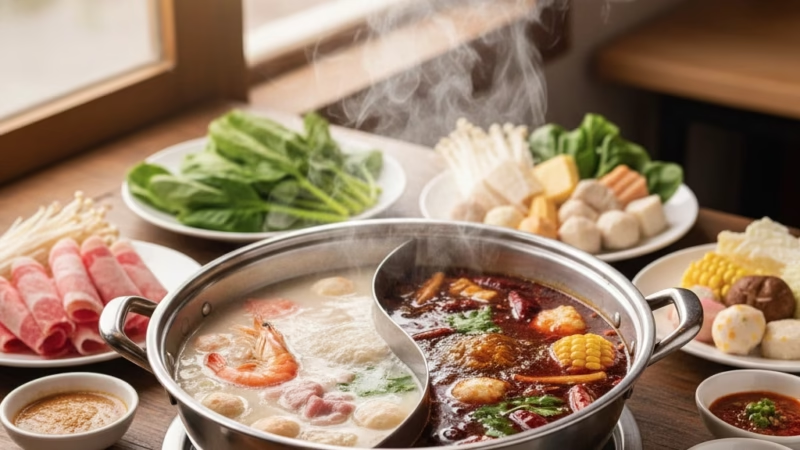
Steamboat, also known as Hotpot, is a communal dining dish where raw ingredients are cooked in simmering broth at the table.
Origin
Category
- Main Course
- Interactive / Communal Dish
Appearance
- Boiling broth in a central pot
- Surrounding platters of colorful raw meats, seafood, vegetables, and noodles
Ingredients
- Meats: Beef, lamb, chicken, pork
- Seafood: Fish, shrimp, squid, crab
- Vegetables: Leafy greens, cabbage, mushrooms, tofu
- Carbohydrates: Noodles, dumplings, rice cakes
- Broth: Clear, spicy, herbal, tom yum, or creamy
- Dipping sauces: Soy, sesame, garlic, chili paste, hoisin
Preparation
- Fill a pot with chosen broth and heat to simmer.
- Gradually add raw ingredients, cooking to preference.
- Serve with dipping sauces for added flavor.
Equipment
- Tabletop stove or induction cooker
- Hotpot pot (single or divided compartments)
- Slotted spoons, chopsticks, small bowls
Variations
- Chinese Hotpot: Spicy Sichuan, Cantonese, herbal
- Japanese Shabu-Shabu: Light kombu broth with thinly sliced meat
- Korean Jeongol: Broth with kimchi or spicy flavors
- Seafood Hotpot: Focus on fresh seafood
Taste
- Broth: savory, spicy, herbal, or umami-rich
- Ingredients: natural flavors enhanced by broth
- Dipping sauces add tangy, salty, or spicy notes
Texture
- Tender meats, soft tofu, slightly crunchy vegetables
- Chewy noodles, firm dumplings
Aroma
- Inviting, varying with broth type: herbal, spicy, seafood
- Steam adds warmth and comfort
Sound
- Gentle bubbling of broth
- Sizzling as ingredients are added
- Clinking of utensils and shared dining
Cultural Significance
- Symbol of togetherness and communal bonding
- Common during festivals, family gatherings, and celebrations
Symbolism
- Unity and harmony through shared dining
- Celebration of prosperity and social cohesion
Regional Cuisine
- China: Sichuan, Chongqing, Cantonese
- Malaysia & Singapore: Mala hotpot, seafood hotpot
- Japan & Korea: Shabu-shabu, Jeongol
Social Context
- Popular during cold weather or festive seasons
- Buffet-style and all-you-can-eat hotpot restaurants
- Home gatherings with portable hotpot stoves
Nutritional Information
- High in protein, vitamins, fiber
- Nutritional value varies with broth and ingredients
Health Benefits
- Light cooking preserves nutrients
- Low-fat if lean meats and clear broth used
- Balanced meal with protein, carbs, and vegetables
Dietary Restrictions
- Can accommodate vegetarian, halal, or gluten-free options
Allergens
- Shellfish, soy, gluten (depending on sauces)
- Allergy-conscious diners should check sauces and meat options
Cost
- Home-cooked: Moderate, based on ingredients
- Restaurant: Budget-friendly to premium buffet
Production
- Can use local vegetables and seafood
- Sustainable options: seasonal or farmed ingredients
Sustainability
- Encouraged through locally sourced and seasonal produce
- Reduces reliance on processed foods
Availability
- Widely available in Asian restaurants and hotpot chains
- Buffet and à la carte options available
History
- Originated in Northern China as a winter meal
- Evolved into communal dining style over centuries
- Spread across Asia with regional adaptations
Anecdotes
- In Malaysia and Singapore, “mala” hotpot is a cult favorite
- Often central to family reunions and festive meals
How to Prepare
- Prepare chosen broth in a tabletop pot.
- Arrange raw meats, seafood, vegetables, and noodles.
- Simmer ingredients gradually until cooked.
- Serve with dipping sauces and enjoy communally.

Kuala Lumpur Weather Now
- Temperature
- Precipitation
- Rain Chance
- Wind
- Humidity
- Pressure
2:00 am

24°/25°°C
1 mm
100%
2 mph
86%
1011 mb
0 mm/h
5:00 am
24°/25°°C
1 mm
100%
1 mph
91%
1010 mb
0 mm/h
8:00 am

23°/23°°C
1 mm
100%
3 mph
94%
1011 mb
0 mm/h
11:00 am
25°/25°°C
1 mm
100%
2 mph
91%
1013 mb
0 mm/h
2:00 pm
26°/26°°C
1 mm
100%
5 mph
95%
1010 mb
0 mm/h
5:00 pm
25°/25°°C
1 mm
100%
4 mph
96%
1009 mb
0 mm/h
8:00 pm

21°/21°°C
0.8 mm
80%
4 mph
94%
1011 mb
0 mm/h
11:00 pm
22°/22°°C
0 mm
0%
2 mph
94%
1013 mb
0 mm/h
FAQ
Q: Can hotpot be vegetarian?
Yes, using vegetable broth, tofu, and assorted greens.
Q: How long to cook ingredients?
Thin meats: 1–2 minutes; vegetables: 3–5 minutes depending on type.
Q: What sauces are typical?
Soy sauce, sesame oil, chili paste, garlic, hoisin, or mixed dips.
Q: Is hotpot healthy?
Yes, especially with lean meats, fresh vegetables, and clear broth.








Comments are closed.