

Sambal

Introduction
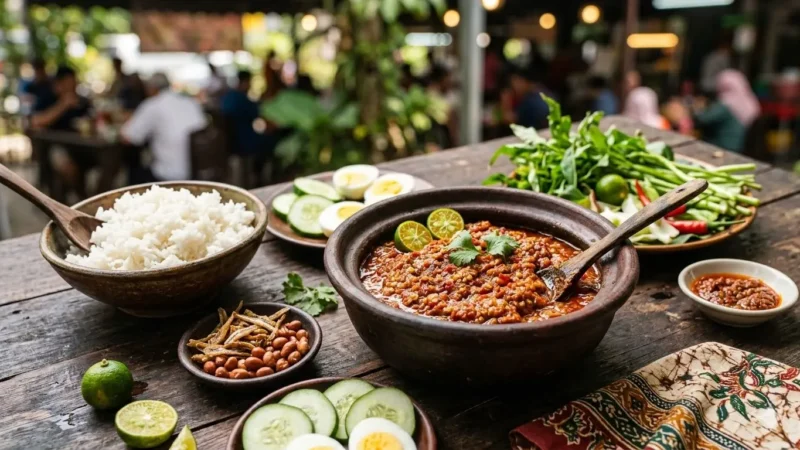
Sambal is one of the most essential condiments in Southeast Asian cuisine, especially in Malaysia, Indonesia, Singapore, and Brunei. Known for its bold heat, rich aroma, and complex flavors, sambal is a chili-based paste that adds depth and spice to countless traditional dishes.
In Malaysian cuisine, sambal is commonly served with popular meals such as Nasi Lemak, grilled seafood, fried rice, and the vibrant herb rice dish Nasi Kerabu. For many locals, a meal feels incomplete without a spoonful of this fiery condiment.
While sambal recipes vary widely from region to region, they all share one defining element: fresh chilies combined with aromatic ingredients that create a perfectly balanced blend of spicy, savory, sweet, and tangy flavors.
Origin and Regional Cuisine
Sambal originates from Indonesia, where traditional chili pastes have been used for centuries. With the spread of trade and cultural exchange across the Malay Archipelago, sambal quickly became a staple ingredient throughout Southeast Asia.
In Malaysia, sambal evolved into several unique varieties, including:
- Sambal Belacan – chili paste with fermented shrimp paste
- Sambal Tumis – cooked sambal with onions and spices
- Sambal Ikan Bilis – sambal mixed with crispy anchovies
Each region adapts sambal to suit local tastes and ingredients, making it a highly versatile condiment.
Category
Sambal belongs to the category of condiments or chili sauces.
It is typically served as:
- A side condiment
- A dipping sauce
- A cooking base for sauces and stir-fries
Despite its simple appearance, sambal plays a major role in enhancing the flavor of many Southeast Asian dishes.
Appearance
Sambal usually appears as a thick paste or sauce with a vibrant red, orange, or dark brown color.
The color depends on the ingredients and preparation method:
- Fresh sambal tends to be bright red
- Cooked sambal becomes darker and richer
Traditional sambal often has a slightly coarse texture because the ingredients are pounded rather than blended.
Ingredients
The core ingredients of sambal are simple but powerful in flavor.
Typical ingredients include:
- Fresh red chilies
- Bird’s eye chilies
- Shallots
- Garlic
- Belacan (fermented shrimp paste)
- Lime juice or tamarind
- Palm sugar
- Salt
- Cooking oil
Some variations may also include tomatoes, lemongrass, dried shrimp, or anchovies to enhance the flavor.
Preparation
Traditional sambal is prepared by pounding fresh chilies, garlic, and shallots using a mortar and pestle. This method releases natural oils from the ingredients and creates a richer taste.
For cooked sambal such as Sambal Tumis, the paste is sautéed in oil until fragrant. Palm sugar, tamarind, and other ingredients are then added to create a balanced flavor profile.
Fresh sambal is usually served immediately, while cooked sambal can be stored and used later.
Equipment
Preparing sambal traditionally requires simple kitchen tools, including:
- Batu lesung (stone mortar and pestle)
- Knife and cutting board
- Frying pan or wok
- Blender or food processor (modern kitchens)
The mortar and pestle remain the preferred method because they help achieve the authentic texture and aroma.
Taste
Sambal delivers a complex and bold flavor combination:
- Spicy heat from chilies
- Umami depth from shrimp paste
- Sweetness from palm sugar
- Tangy acidity from lime or tamarind
This combination makes sambal extremely addictive and a perfect complement to rice dishes.
Texture
The texture of sambal varies depending on how it is prepared.
Traditional sambal tends to be chunky and slightly coarse, while modern blended versions may be smoother. Cooked sambal is usually thicker and richer.
Aroma
Sambal has a strong and aromatic fragrance that instantly stimulates the appetite.
Key aroma contributors include:
- Toasted shrimp paste
- Fresh chilies
- Garlic and shallots
- Citrus from lime juice
When cooked, the aroma becomes deeper and slightly smoky.
Cultural Significance
Sambal holds a special place in Malaysian food culture. It is often served during family meals, street food experiences, and festive celebrations.
The condiment represents the bold and vibrant flavors of Southeast Asian cuisine. Many families also have their own sambal recipes passed down through generations.
Symbolism
In many Southeast Asian cultures, sambal symbolizes flavor, warmth, and hospitality. Offering sambal with meals reflects generosity and the importance of sharing food with others.
Social Context
Sambal is commonly served in homes, hawker stalls, and restaurants across Malaysia. It is usually placed in a small dish at the table so diners can add as much spice as they prefer.
Because of its popularity, sambal has become a daily staple in Malaysian cuisine.
Nutritional Information and Health Benefits
Although sambal is mainly used as a condiment, it contains several nutritious ingredients.
Health benefits may include:
- Chilies – rich in vitamin C and antioxidants
- Garlic – may support heart health
- Shallots – contain anti-inflammatory compounds
Capsaicin from chilies can also help boost metabolism.
However, sambal should be consumed in moderation because some versions contain added salt or oil.
Dietary Restrictions and Allergens
Some sambal varieties may contain ingredients that could trigger allergies.
Possible allergens include:
- Shrimp paste (belacan)
- Dried shrimp or anchovies
Vegetarian or vegan versions can be made by removing seafood ingredients.
Cost and Availability
Sambal is widely available throughout Southeast Asia and is generally very affordable.
You can find sambal in:
- Local markets
- Supermarkets
- Street food stalls
- Restaurants
Bottled sambal sauces are also popular for convenient home cooking.
The Key Components of Nasi Kerabu
One dish where sambal plays a key role is Nasi Kerabu, a colorful traditional meal from Kelantan.
This dish typically includes:
- Blue rice colored with butterfly pea flowers
- Fresh herbs and vegetables
- Grilled fish or fried chicken
- Coconut floss (serunding)
- Salted egg
- Sambal chili paste
Sambal provides the spicy kick that balances the fresh herbs and mild rice.
Cultural Significance and Popularity
Nasi Kerabu is a beloved traditional dish in Malaysia, especially in the eastern states of Kelantan and Terengganu. The dish reflects strong Malay culinary traditions and regional flavors.
Its colorful presentation and aromatic herbs have also made it popular among travelers and food lovers exploring Malaysian cuisine.
How to Prepare Nasi Kerabu
INGREDIENTS
For the Rice
- 2 cups jasmine rice
- 10 butterfly pea flowers
- 2 cups water
For the Toppings
- Grilled fish or fried chicken
- Bean sprouts
- Long beans
- Shredded cabbage
- Fresh herbs (mint and basil)
- Coconut floss (serunding)
- Salted egg
For the Sambal
- 8 red chilies
- 4 bird’s eye chilies
- 3 shallots
- 2 cloves garlic
- 1 teaspoon belacan
- 1 tablespoon palm sugar
- Juice of 1 lime
- Salt to taste
DIRECTION
- Prepare the blue rice
Soak butterfly pea flowers in hot water to extract the blue color. Use this water to cook the rice. - Make the sambal
Pound chilies, shallots, garlic, and belacan into a paste. Add lime juice, palm sugar, and salt. - Cook the protein
Grill the fish or fry the chicken until cooked and slightly crispy. - Prepare the vegetables
Slice long beans, cabbage, and herbs into thin strips. - Assemble the dish
Place the blue rice on a plate and arrange vegetables, herbs, and protein around it. - Serve with sambal
Add sambal on top or on the side for extra flavor.
NOTES
- Fresh herbs are essential for authentic Nasi Kerabu flavor.
- Sambal spice levels can be adjusted depending on taste preferences.
- Traditionally, the dish is eaten by hand, mixing all ingredients together.

- Temperature
- Precipitation
- Rain Chance
- Wind
- Humidity
- Pressure


FAQ
1. What is sambal made from?
Sambal is mainly made from chilies, garlic, shallots, shrimp paste, lime juice, and palm sugar.
2. Is sambal always spicy?
Yes, sambal is usually spicy, but the heat level can be adjusted by reducing the number of chilies.
3. Can sambal be stored?
Cooked sambal can be refrigerated in an airtight container for about one week.
4. What dishes pair well with sambal?
Sambal is commonly served with Nasi Lemak, grilled fish, fried rice, noodles, and vegetables.












Comments are closed.