

Pulau Tuba

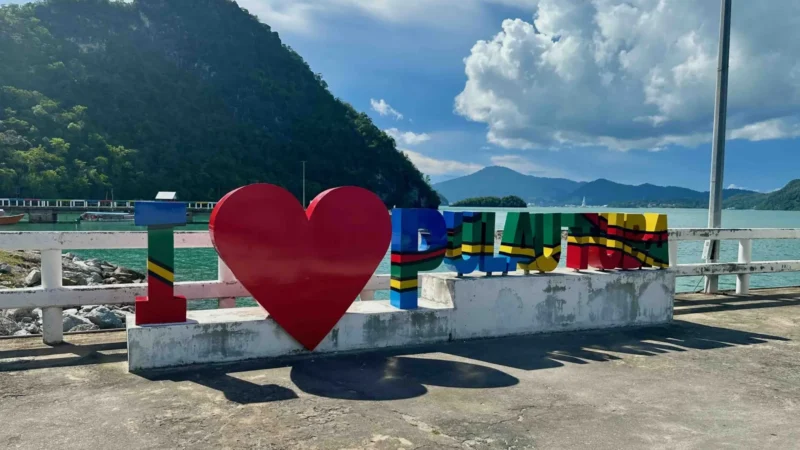
Pulau Tuba is a strategically understated island off the coast of Langkawi that delivers long-term value through authenticity, ecological balance, and cultural continuity. While Langkawi scales as a global tourism powerhouse, Pulau Tuba remains purposefully low-profile—positioned as a heritage-forward, community-led destination that rewards slow, intentional travel.

📍 Location & Strategic Context
Pulau Tuba is located approximately 4 km south of Langkawi Island, within the Langkawi archipelago in Kedah, Malaysia. It is the second-largest inhabited island after Langkawi, yet operates on a vastly different development model—low density, low disruption, high cultural retention.
The island is home to a small Malay fishing community, many of whom are descendants of early settlers from Sumatra and mainland Kedah.
🚤 How to Get There (Access Framework)
- Primary Access Point: Kuah Jetty, Langkawi
- Boat Type: Passenger ferry or private speedboat
- Travel Time: 10–15 minutes
- Frequency: Limited but regular daytime services
Operational insight: Transport services are functional rather than frequent—advance planning is a value add, not a constraint.
🏝️ Island Landscape & Natural Assets
Pulau Tuba’s core strength lies in its natural capital:
- Dense mangrove forests supporting rich biodiversity
- Calm coastal waters ideal for small-scale fishing
- Rural roads cutting through coconut groves and kampung homes
- Minimal commercial beachfront development
This is not a beach-club island. It is a working island, where nature and livelihood coexist.
🏘️ Local Life & Culture
The island runs on traditional rhythms:
- Fishing at dawn
- Farming and boat repair during the day
- Community gatherings and mosque life in the evening
Visitors are guests, not consumers. Respect for customs, modest attire, and community etiquette is essential and expected.
🛏️ Accommodation & Stay Options
Pulau Tuba does not operate on mass hospitality metrics. Instead, it offers:
- Family-run homestays
- Small guesthouses
- Limited eco-lodges (basic but clean)
There are no large resorts. This preserves cost efficiency, cultural authenticity, and environmental sustainability.
🍽️ Food & Local Cuisine
Dining is decentralized and homegrown:
- Fresh seafood (grilled fish, squid, prawns)
- Traditional Malay dishes like ikan bakar, sambal, and ulam
- Small eateries and pre-arranged homestay meals
Operational note: Food availability follows local schedules—flexibility enhances the experience.
🧭 Things to Do (Experience Portfolio)
🌿 Mangrove Exploration
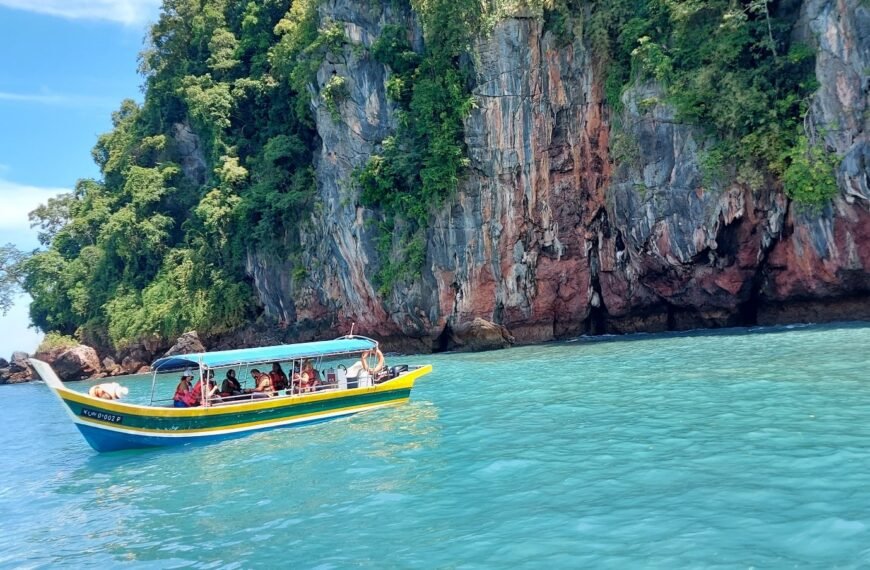
Guided boat tours through mangrove channels reveal:
- Eagles, mudskippers, crabs
- Traditional fishing techniques
- Coastal ecosystem education
🚲 Island Exploration
- Rent a motorcycle or bicycle
- Quiet roads, zero traffic pressure
- Ideal for self-paced discovery
🎣 Fishing & Village Activities
- Join fishermen on short trips
- Observe net-making and boat maintenance
- Engage in authentic, non-curated interactions
📸 Photography & Slow Travel
Pulau Tuba is optimized for:
- Sunrise and sunset photography
- Cultural documentation
- Digital detox travel narratives
🛍️ Shopping & Amenities
- Small village shops only
- Basic groceries and essentials
- No malls, no nightlife, no branded retail
This is a feature, not a limitation.
📅 Best Time to Visit
- Dry Season: November to April (optimal)
- Monsoon Season: May to October (limited boat services, lush landscapes)
Strategic advice: Visit on weekdays for maximum tranquility.
⚠️ Practical Considerations
- Limited ATMs (carry cash)
- Patchy mobile signal in some areas
- Electricity and water are reliable but modest
- Medical facilities are basic (Langkawi is the fallback)
🌱 Why Pulau Tuba Matters
Pulau Tuba represents a future-proof travel model rooted in the past—where community, culture, and conservation take precedence over rapid commercialization.
For travelers, bloggers, and cultural explorers, the island delivers:
- Authentic storytelling value
- Low competition content opportunities
- High emotional and experiential ROI
Pulau Tuba Events / News


 28°C
28°C
- Temperature
- Precipitation
- Rain Chance
- Wind
- Humidity
- Pressure


Final Takeaway
Pulau Tuba is not designed to impress—it is designed to endure. For those aligned with meaningful travel, cultural preservation, and slow exploration, the island is not just a destination, but a strategic escape from over-optimized tourism.


Comments are closed.