

Chinese New Year in Malaysia

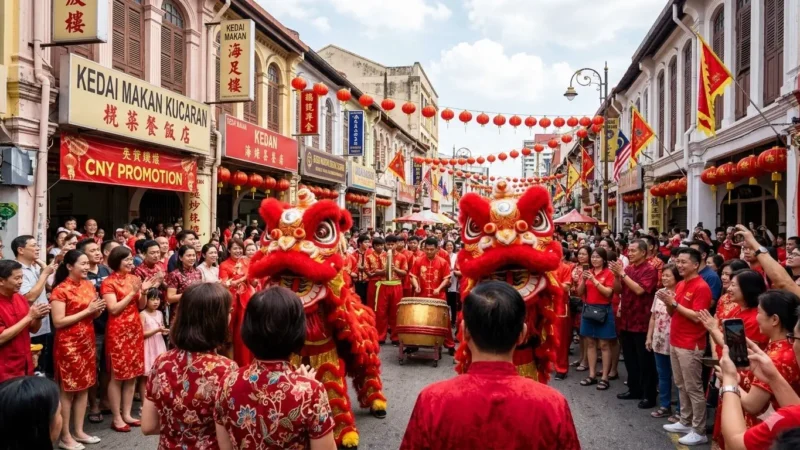
Chinese New Year, also known as Lunar New Year or Tahun Baharu Cina in Malaysia, is one of the most important cultural celebrations in the country. Observed by the Malaysian Chinese community and enjoyed by people of all backgrounds, the festival marks the beginning of a new year in the Chinese lunar calendar and symbolizes prosperity, renewal, and family unity.
In Malaysia, Chinese New Year is celebrated nationwide with public holidays, festive decorations, cultural performances, and family gatherings, making it one of the most vibrant festivals of the year.
What is Chinese New Year?
Chinese New Year celebrates the start of a new year according to the traditional Chinese lunar calendar. The festival usually falls between late January and mid-February and lasts for 15 days, ending with the Lantern Festival.
Each year in the Chinese zodiac cycle is represented by one of 12 animals, and these zodiac signs are believed to influence personality traits, luck, and fortune for the year ahead.
Public Holiday in Malaysia
Chinese New Year is recognized as a national public holiday in Malaysia, allowing families to reunite and celebrate together.
Key facts:
- Observed across all Malaysian states
- Usually celebrated for two days of public holidays
- Families travel back to hometowns for gatherings
- Government offices and many businesses may close on the first day
The holiday period is one of the busiest travel seasons in Malaysia.
Chinese New Year Traditions in Malaysia
Reunion Dinner
The celebration begins with the Reunion Dinner on Chinese New Year’s Eve, where family members gather for a large meal symbolizing unity and prosperity.
Lion and Dragon Dances
Lion dance performances are commonly seen in shopping malls, temples, and public areas. These traditional dances are believed to bring good luck and ward off evil spirits.
Ang Pow (Red Packets)
Elders give ang pow, or red envelopes containing money, to children and unmarried adults. The red color symbolizes luck, happiness, and prosperity.
Visiting Relatives
During the first few days of Chinese New Year, families visit relatives and friends to exchange greetings and well wishes for the year ahead.
Decorating Homes
Homes and streets are decorated with festive symbols such as:
- Red lanterns
- Spring couplets
- Paper cuttings
- Mandarin orange trees
These decorations represent prosperity, wealth, and good fortune.
Traditional Chinese New Year Foods
Food plays an important role in the celebration, and many dishes symbolize luck and prosperity.
Popular festive foods include:
- Yusheng – A colorful salad tossed for prosperity during gatherings.
- Dumpling – Symbolizes wealth and fortune.
- Nian Gao – Represents growth, progress, and success.
- Mandarin orange – Given as gifts to symbolize luck and wealth.
Best Places to Experience Chinese New Year in Malaysia
Visitors can experience vibrant Chinese New Year celebrations in major Malaysian cities, including:
- Kuala Lumpur – Known for large mall decorations, cultural shows, and temple celebrations.
- George Town – Famous for lantern-lit heritage streets and cultural festivals.
- Johor Bahru – Popular for community celebrations and festive markets.
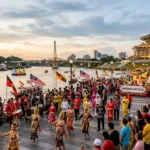
- Malacca City – Historic Chinatown becomes a lively center of celebration.
Chinese New Year Open Houses
Malaysia has a unique tradition called Chinese New Year open houses, where families, community leaders, and government officials invite guests from different cultural backgrounds to celebrate together.
These gatherings reflect Malaysia’s multicultural harmony and hospitality, allowing everyone to enjoy festive food, performances, and cultural exchange.
Travel Tips During Chinese New Year
If you plan to visit Malaysia during the festival, consider these tips:
- Book flights, buses, and hotels early, as travel demand is high.
- Expect heavy traffic and crowded transport hubs before the holiday.
- Many small businesses may close on the first day, although malls usually remain open.
- Major cities host lion dances, lantern displays, and festive markets.
Economic and Tourism Impact
Chinese New Year is also an important period for Malaysia’s economy. Shopping malls and businesses host:
- Large Chinese New Year sales
- Festive food promotions
- Cultural performances and events
Tourists often travel to cities like Kuala Lumpur and Penang to experience the vibrant celebrations.

 29°C
29°C
- Temperature
- Precipitation
- Rain Chance
- Wind
- Humidity
- Pressure


Conclusion
Chinese New Year is one of the most joyful and culturally significant festivals in Malaysia. As a national public holiday, it brings families together and showcases the country’s rich traditions and multicultural unity.
From reunion dinners and lion dances to festive foods and open houses, Chinese New Year represents hope, prosperity, and new beginnings, making it one of Malaysia’s most anticipated celebrations each year.


Comments are closed.