

Barley Lemon

Introduction
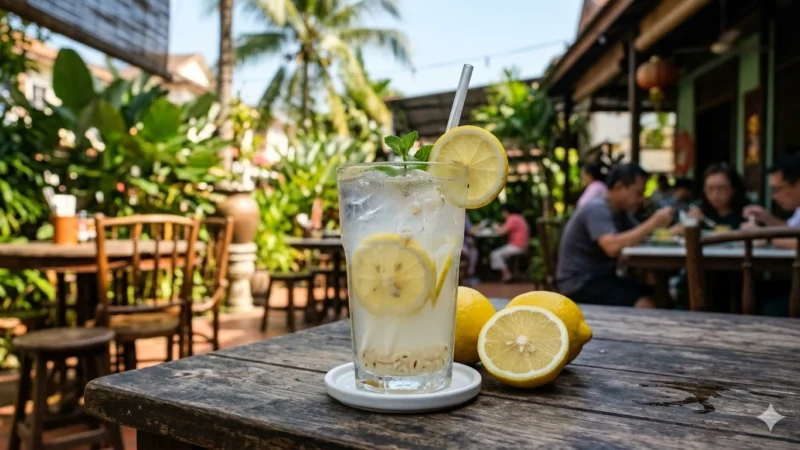
If you’re visiting Malaysia, a trip isn’t complete without tasting local drinks that capture the country’s vibrant food culture. One such beverage is Barley Lemon, a refreshing, non-caffeinated drink popular across kopitiams, hawker centres, mamak stalls, and modern cafés. Known for its nutty barley flavor combined with zesty lemon, it’s a perfect companion to Malaysia’s tropical weather. Both locals and tourists enjoy it as a cooling, revitalizing beverage that’s easy on the palate.
Whether you’re exploring Kuala Lumpur, Penang, or Johor Bahru, Barley Lemon offers a taste of authentic Malaysian everyday life.
What is Barley Lemon?
Barley Lemon is a traditional Malaysian drink made from roasted barley grains infused in water and enhanced with fresh lemon juice. The nutty flavor of barley balances beautifully with the tang of lemon, creating a drink that’s light, refreshing, and naturally caffeine-free.
Ingredients and Flavor Profile
- Roasted Barley: Provides an earthy, nutty taste.
- Lemon Juice: Adds a crisp, citrusy kick.
- Water: Hot water is used for brewing; chilled or iced for serving.
- Optional Sweetener: Sugar or syrup to taste.
The result is a subtly sweet, aromatic beverage with a refreshing citrus finish—ideal for Malaysia’s hot and humid climate.
Quick Facts Table
| Drink Name | Type | Milk Usage | Sugar Level | Serving Style |
|---|---|---|---|---|
| Barley Lemon | Non-caffeinated | None | Light to Medium | Iced / Chilled |
How the Drink is Prepared
In Malaysian kopitiams, Barley Lemon is prepared with care using traditional methods:
- Roasting Barley: Raw barley grains are lightly roasted to release their nutty aroma.
- Brewing: The roasted barley is boiled or steeped in hot water for 10–15 minutes.
- Cooling: The brewed barley is cooled to room temperature, then chilled.
- Adding Lemon: Fresh lemon juice is squeezed into the barley infusion.
- Sweetening: Sugar or syrup is added if desired.
- Serving: Poured over ice in a clear glass, showcasing its golden color.
Modern cafés sometimes add sparkling water, mint, or honey for a creative twist, but the traditional recipe remains a favorite.
Common Variations
| Variation Name | Meaning / Description |
|---|---|
| Barley Lemon Kosong | No sugar added, very refreshing |
| Barley Lemon O | Standard sugar, balanced taste |
| Barley Lemon C | With condensed or evaporated milk (less common) |
| Barley Lemon Gao | Stronger barley flavor, less diluted |
| Barley Lemon Peng | Iced version, ideal for hot weather |
Where Travelers Can Try It
Barley Lemon is widely available across Malaysia. Some of the best spots include:
- Kopitiams: Traditional coffee shops serving classic versions.
- Hawker Centres: Bustling food courts in cities like Kuala Lumpur, Penang, and Johor Bahru.
- Mamak Restaurants: Indian-Muslim eateries offering chilled drinks alongside roti canai and nasi lemak.
- Cafés: Trendy cafés often feature creative twists with sparkling water or fruit garnishes.
For an authentic experience, try Georgetown in Penang or Jalan Alor in Kuala Lumpur, where locals enjoy the drink daily.
Why Locals Love It
Malaysians cherish Barley Lemon for its light, refreshing, and healthy qualities. It’s a culturally significant drink that represents everyday comfort and social connection. Families, students, and workers enjoy it during meals, breaks, or simply as a cooling refreshment on hot days. Its non-caffeinated nature makes it suitable for all ages, contributing to its widespread popularity.
Ordering Tips for Travelers
When ordering in kopitiams, understanding local terms helps customize your drink:
- Peng: Iced
- Kosong: No sugar
- O: Black, without milk
- C: With condensed or evaporated milk
- Gao: Stronger flavor, less diluted
- Po: Weaker flavor, more diluted
Example: “Barley Lemon Peng Kosong” = iced, sugar-free, refreshing drink.

- Temperature
- Precipitation
- Rain Chance
- Wind
- Humidity
- Pressure


Conclusion
For international travelers, Barley Lemon is more than a beverage—it’s a cultural experience. Refreshing, naturally sweet, and packed with local charm, it’s perfect for cooling down after exploring Malaysia’s bustling streets and markets. Next time you’re in Kuala Lumpur, Penang, or Johor Bahru, don’t miss the chance to sip this traditional, zesty, and nutty favorite.












Comments are closed.