

Malaysia Day (Hari Malaysia)

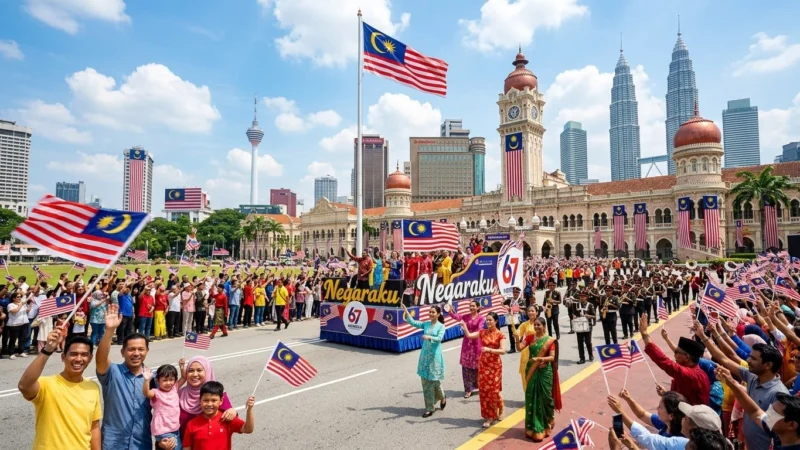
Malaysia Day is a major national celebration in Malaysia that commemorates the historic formation of the Malaysian federation on 16 September 1963. The day marks the union of the Federation of Malaya, Sabah, Sarawak, and Singapore, creating a new nation in Southeast Asia. Although Singapore later separated from the federation in 1965, the date remains an important symbol of national unity and identity.
Malaysia Day is observed every year as a nationwide public holiday, with celebrations highlighting the cultural diversity and shared history of the Malaysian people.
History of Malaysia Day
Malaysia Day commemorates the implementation of the Malaysia Agreement 1963, which officially established Malaysia as a federation. Before 1963, the region consisted of several British-administered territories:
- The Federation of Malaya
- Sabah (formerly North Borneo)
- Sarawak
- Singapore
Under the leadership of Malaysia’s first Prime Minister, Tunku Abdul Rahman, the idea of forming a larger federation gained support as a way to strengthen political stability, economic growth, and regional security.
On 16 September 1963, these territories officially formed Malaysia. However, Singapore left the federation in 1965 and became an independent nation.
Malaysia Day vs Merdeka Day
Malaysia has two significant national celebrations connected to its nationhood.
Merdeka Day
- Celebrated on 31 August
- Marks the independence of the Federation of Malaya from British colonial rule in 1957
- Known locally as Hari Kebangsaan
Malaysia Day
- Celebrated on 16 September
- Marks the formation of Malaysia in 1963
- Emphasizes unity between Peninsular Malaysia and East Malaysia
Both days are patriotic occasions but commemorate different historical milestones.
When Did Malaysia Day Become a National Holiday?
Although Malaysia Day was recognized historically, it became an official nationwide public holiday only in 2010. Prior to that, it was mainly observed in Sabah and Sarawak.
The Malaysian government later elevated its status to emphasize the importance of East Malaysian states in the formation of the nation.
How Malaysia Day Is Celebrated
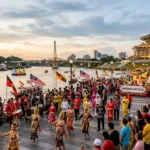
Celebrations take place throughout the country with patriotic and cultural activities.
National-Level Celebrations
Each year, large national events are organized by the Malaysian government. The celebration often rotates locations, with many events hosted in Sabah or Sarawak to acknowledge their role in Malaysia’s formation.
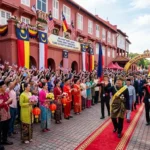
Cultural Performances
Malaysia’s multicultural heritage is showcased through:
- Traditional dances
- Cultural music performances
- Indigenous heritage displays
- Community exhibitions
Ethnic groups represented include:
- Malays
- Chinese
- Indians
- Dayak communities
- Kadazan-Dusun people
Parades and Ceremonies
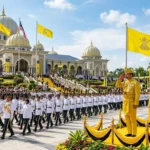
Military and cultural parades are commonly held in major cities. Government leaders deliver speeches emphasizing unity and national progress.
Flag Displays
Homes, buildings, and streets are decorated with the Jalur Gemilang, Malaysia’s national flag.
Community Activities
Schools, museums, and local organizations host:
- Historical exhibitions
- Educational programs
- Cultural festivals
- Community gatherings
Importance of Sabah and Sarawak
Malaysia Day places special emphasis on the contributions of Sabah and Sarawak, located on the island of Borneo.
Both states joined Malaysia under specific conditions outlined in the Malaysia Agreement 1963, ensuring autonomy in certain areas such as:
- Immigration control
- Indigenous rights
- Land and resources
- Cultural preservation
Because of this, Malaysia Day holds particularly strong meaning for people in East Malaysia.
Cultural Significance
Malaysia Day highlights the nation’s identity as a multicultural federation. The celebration reflects the unity of many ethnic groups, languages, and religions living together in one country.
The event reinforces values such as:
- National unity
- Cultural diversity
- Mutual respect
- Shared history
Interesting Facts About Malaysia Day
- Malaysia Day commemorates the formation of the federation, not independence.
- The event officially occurred in 1963, six years after Malaya’s independence.
- It became a nationwide public holiday in 2010.
- Major celebrations are often hosted in Sabah or Sarawak.
- The day symbolizes the concept of “Keluarga Malaysia” (Malaysian Family).
Travel and Tourism During Malaysia Day
Malaysia Day is also a popular time for domestic travel and tourism. Many Malaysians take advantage of the public holiday to explore destinations across the country.
Popular activities include:
- Visiting cultural festivals
- Exploring historical landmarks
- Attending parades and public celebrations
- Enjoying local food festivals
Tourist destinations in Sabah and Sarawak often hold special cultural events during this period.

 31°C
31°C
- Temperature
- Precipitation
- Rain Chance
- Wind
- Humidity
- Pressure


Conclusion
Malaysia Day is a powerful reminder of the moment when diverse territories united to form the nation of Malaysia. Celebrated annually on 16 September, the holiday honors the shared history, diversity, and unity that define the country today.
From patriotic ceremonies to vibrant cultural performances, Malaysia Day reflects the spirit of a nation built on cooperation between Peninsular Malaysia, Sabah, and Sarawak.



Comments are closed.