

Hari Raya Aidilfitri 2026 in Malaysia – Public Holiday, Traditions, and Celebrations

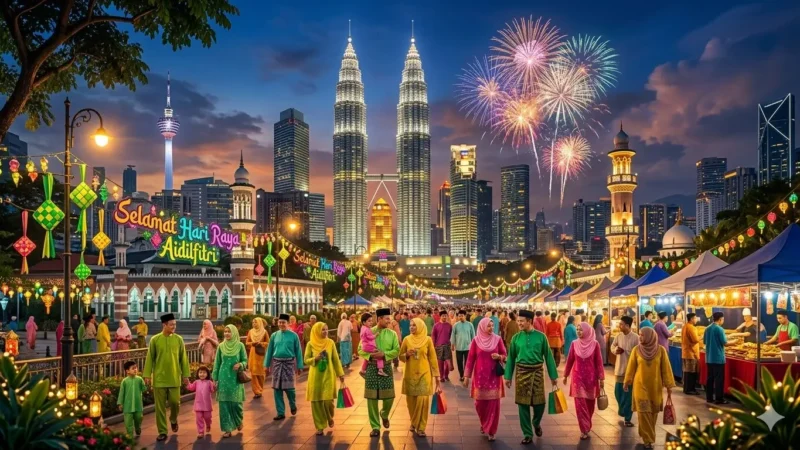
Hari Raya Aidilfitri, also known as Eid al-Fitr, is one of the most significant Islamic festivals celebrated in Malaysia and across the Muslim world. The festival marks the end of Ramadan, the holy month during which Muslims fast from dawn until sunset.
In Malaysia, Hari Raya Aidilfitri is a major national public holiday, bringing families, communities, and friends together to celebrate with prayers, traditional food, and cultural festivities.
Meaning of Hari Raya Aidilfitri
The term Hari Raya Aidilfitri translates to “Festival Day of Breaking the Fast.” It begins on the first day of Syawal, the tenth month of the Islamic lunar calendar, immediately after Ramadan ends.
The festival symbolizes:
- Spiritual renewal after fasting
- Gratitude to Allah
- Compassion and charity
- Forgiveness among family and friends
Because the Islamic calendar follows the lunar cycle, the exact date of Hari Raya Aidilfitri may vary slightly depending on the sighting of the new moon.
Public Holiday in Malaysia
Hari Raya Aidilfitri is observed as a nationwide public holiday in Malaysia. Typically:
- The celebration lasts two official public holiday days
- Government offices, schools, and many businesses close
- Millions of Malaysians travel back to their hometowns
The mass return to hometowns is known as “Balik Kampung”, meaning returning to one’s village to celebrate with family.
This period is one of the busiest travel seasons in Malaysia, with highways, airports, and bus terminals experiencing heavy traffic.
Religious Significance
Hari Raya Aidilfitri marks the successful completion of one month of fasting during Ramadan. The festival emphasizes several important Islamic values:
- Gratitude for spiritual strength during fasting
- Charity, through the payment of Zakat al-Fitr
- Forgiveness among family and community members
- Unity and compassion within society
Zakat al-Fitr must be paid before the Eid prayer so that the less fortunate can also celebrate the festival.
How Malaysians Celebrate Hari Raya Aidilfitri
Malaysia celebrates Hari Raya with a unique blend of religious devotion and rich cultural traditions.
Morning Eid Prayers
The day begins with special Eid prayers performed in mosques and prayer grounds across the country.
After prayers, Muslims greet each other with the traditional phrase:
“Selamat Hari Raya, Maaf Zahir dan Batin.”
This means Happy Hari Raya, please forgive me for any wrongdoings.
Family Visits and Gatherings
Families visit relatives and elders during the celebration. It is also common to:
- Visit family graves
- Spend time with parents and grandparents
- Reconnect with relatives
These gatherings strengthen family bonds and community relationships.
Open House Tradition
One of Malaysia’s most unique traditions is the Hari Raya Open House.
During open house celebrations:
- Families welcome guests into their homes
- Friends, neighbours, and colleagues visit freely
- People of different religions celebrate together
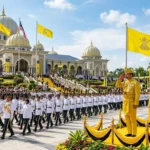
Government leaders and organizations often host large public open houses attended by thousands of visitors.
Traditional Clothing
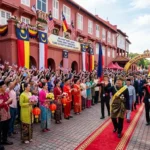
Wearing traditional attire is an important part of the celebration.
Popular outfits include:
For men
- Baju Melayu
- Sampin
- Songkok
For women
- Baju Kurung
- Baju Kebaya
- Modern traditional dresses
Families often wear matching colours or coordinated outfits for festive photos.
Duit Raya Tradition
Children traditionally receive “Duit Raya”, small amounts of money given in green envelopes by elders.
This tradition symbolizes generosity and sharing blessings during the festive season.
Traditional Hari Raya Foods
Food is central to the Hari Raya celebration. Malaysian homes prepare special dishes for guests.
Popular Hari Raya dishes include:
- Ketupat – rice cakes wrapped in palm leaves
- Rendang – slow-cooked spicy meat dish
- Lemang – glutinous rice cooked in bamboo with coconut milk
- Satay – grilled skewered meat with peanut sauce
Kuih Raya (Festive Cookies)
Homes also serve a variety of traditional festive cookies such as:
- Pineapple tarts
- Almond cookies
- Kuih bangkit
- Bahulu cakes
Guests visiting homes during open houses are always offered food and sweets.
Decorations and Festive Atmosphere
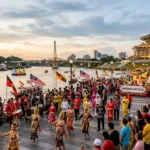
Cities, homes, and shopping malls across Malaysia are decorated with festive themes, including:
- Ketupat decorations
- Colorful lights
- Ramadan bazaars before the festival
- Special Hari Raya displays in malls
Major cities like Kuala Lumpur, Putrajaya, and Penang become especially vibrant during the festive period.
Economic and Cultural Impact
Hari Raya Aidilfitri significantly boosts Malaysia’s economy through increased spending on:
- Traditional clothing
- Food and catering
- Travel and transportation
- Shopping and gifts
Ramadan bazaars and festive markets attract large crowds before the holiday.

 27°C
27°C
- Temperature
- Precipitation
- Rain Chance
- Wind
- Humidity
- Pressure


Conclusion
Hari Raya Aidilfitri is more than just a religious festival in Malaysia—it is a celebration of faith, family, generosity, and cultural unity. From morning prayers to open houses and festive meals, the holiday highlights the spirit of togetherness that defines Malaysian society.
Each year, millions of Malaysians come together to celebrate this meaningful occasion with joy, gratitude, and tradition.



Comments are closed.