
Kopi

Introduction
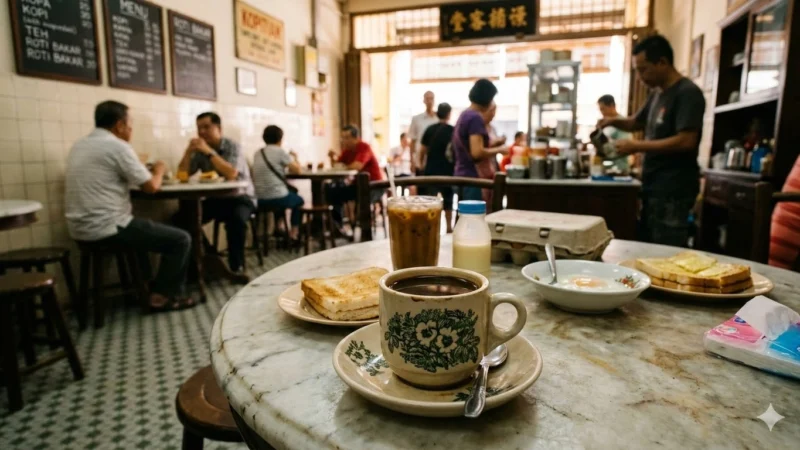
Malaysia is famous for its vibrant food and drink culture, and one beverage that stands out for both locals and travelers is Kopi, the country’s traditional coffee. Found everywhere from old-school kopitiams (coffee shops) to bustling hawker centres and modern cafés, Kopi is a daily ritual for millions of Malaysians.
For international travelers exploring Malaysia, trying Kopi is one of the easiest ways to experience authentic local culture. The drink is strong, aromatic, and often served with condensed or evaporated milk, creating a rich and satisfying flavor. Whether enjoyed during breakfast with kaya toast or as an afternoon pick-me-up, Kopi plays an important role in Malaysia’s culinary traditions.
What is Kopi?
Kopi is traditional Malaysian coffee made from robusta coffee beans that are roasted with ingredients such as sugar and margarine. This roasting technique gives the coffee a deep, bold flavor with slightly caramelized notes.
Unlike espresso-based drinks commonly found in Western cafés, Kopi is brewed using a cloth filter known as a “coffee sock.” This method produces a smooth yet strong cup of coffee that is less acidic but full-bodied.
Kopi is typically served hot or iced, and it can be customized with different types of milk or sweetness levels depending on how it is ordered.
Flavor Profile
- Taste: Strong, slightly bitter with a touch of sweetness
- Texture: Smooth and rich
- Aroma: Deep roasted coffee fragrance
- Serving style: Hot or iced
Because of its bold taste, Kopi pairs perfectly with popular Malaysian breakfast foods like kaya toast, roti bakar, and soft-boiled eggs.
Quick Facts About Kopi
| Feature | Details |
|---|---|
| Drink Name | Kopi |
| Type | Traditional Malaysian coffee |
| Milk Usage | Condensed milk or evaporated milk |
| Sugar Level | Usually sweet but customizable |
| Serving Style | Hot or iced (Peng) |
How the Drink is Prepared
Traditional Kopi preparation follows methods that have been used in Malaysian kopitiams for generations.
Traditional Kopi Brewing Process
1. Roasting the Beans
Robusta coffee beans are roasted together with sugar and margarine. This process creates the distinctive rich flavor that Kopi is known for.
2. Grinding the Coffee
The roasted beans are ground into fine coffee powder.
3. Brewing with a Coffee Sock
The ground coffee is placed in a cloth filter bag called a coffee sock, and hot water is poured through it to extract the coffee.
4. Mixing the Ingredients
Condensed milk, evaporated milk, or sugar is added based on the drink ordered.
5. Serving the Coffee
The finished drink is poured into ceramic cups for hot coffee or tall glasses filled with ice for iced versions.
This simple yet effective brewing method creates the signature taste that makes Kopi unique.
Common Variations of Kopi
Malaysia’s coffee culture includes a unique shorthand system used when ordering drinks at kopitiams. By adding certain terms to Kopi, customers can customize their coffee.
| Variation | Meaning |
|---|---|
| Kopi | Coffee with condensed milk and sugar |
| Kopi O | Black coffee with sugar |
| Kopi O Kosong | Black coffee without sugar |
| Kopi C | Coffee with evaporated milk |
| Kopi Peng | Iced coffee |
| Kopi Gao | Extra strong coffee |
| Kopi Po | Lighter or weaker coffee |
This system allows locals to quickly order their preferred coffee with just a few words.
Where Travelers Can Try Kopi
Travelers visiting Malaysia will find Kopi almost everywhere. However, some places provide a more authentic experience.
Kopitiams (Traditional Coffee Shops)
Kopitiams are the heart of Malaysian coffee culture. These traditional coffee shops serve freshly brewed Kopi alongside classic breakfast dishes.
Hawker Centres
Hawker centres are popular food courts featuring many local vendors. Drink stalls often prepare Kopi using traditional brewing methods at affordable prices.
Mamak Restaurants
Mamak eateries are Indian-Muslim restaurants that are open late and serve a variety of drinks, including Kopi. They are popular social gathering spots.
Modern Cafés
Many modern cafés now serve Kopi-inspired drinks, combining traditional flavors with contemporary coffee techniques.
Why Locals Love Kopi
Kopi is more than just a beverage in Malaysia—it represents daily life, social interaction, and tradition.
Many Malaysians begin their day with a cup of Kopi while chatting with friends, reading the newspaper, or enjoying breakfast at a kopitiam. The drink is affordable, comforting, and deeply connected to local heritage.
Kopi culture also reflects Malaysia’s multicultural influences. The drink became popular through Hainanese coffee shop traditions, which shaped the kopitiam culture that still thrives today.
Ordering Tips for Travelers
Ordering coffee in Malaysia can feel confusing at first because locals use special kopitiam terms. Learning these simple words will make ordering Kopi much easier.
| Term | Meaning |
|---|---|
| Peng | Iced |
| Kosong | No sugar |
| O | Black coffee (no milk) |
| C | Evaporated milk |
| Gao | Strong |
| Po | Weak |
Example Orders
- Kopi Peng – Iced coffee with condensed milk
- Kopi O Kosong – Black coffee without sugar
- Kopi C Peng – Iced coffee with evaporated milk
Using these terms will help travelers order coffee like a local.
Conclusion
Kopi is one of Malaysia’s most iconic drinks and an essential part of the country’s food culture. Its bold flavor, traditional brewing method, and unique ordering system make it a fascinating experience for international travelers.
Whether you enjoy it in a traditional kopitiam, a busy hawker centre, or a trendy café, trying Kopi offers a true taste of Malaysian daily life. For anyone visiting Malaysia, a cup of Kopi is more than just coffee—it’s a cultural experience worth savoring.




Comments are closed.