

Imported EV Prices in Malaysia May Exceed RM300,000 From July 2026

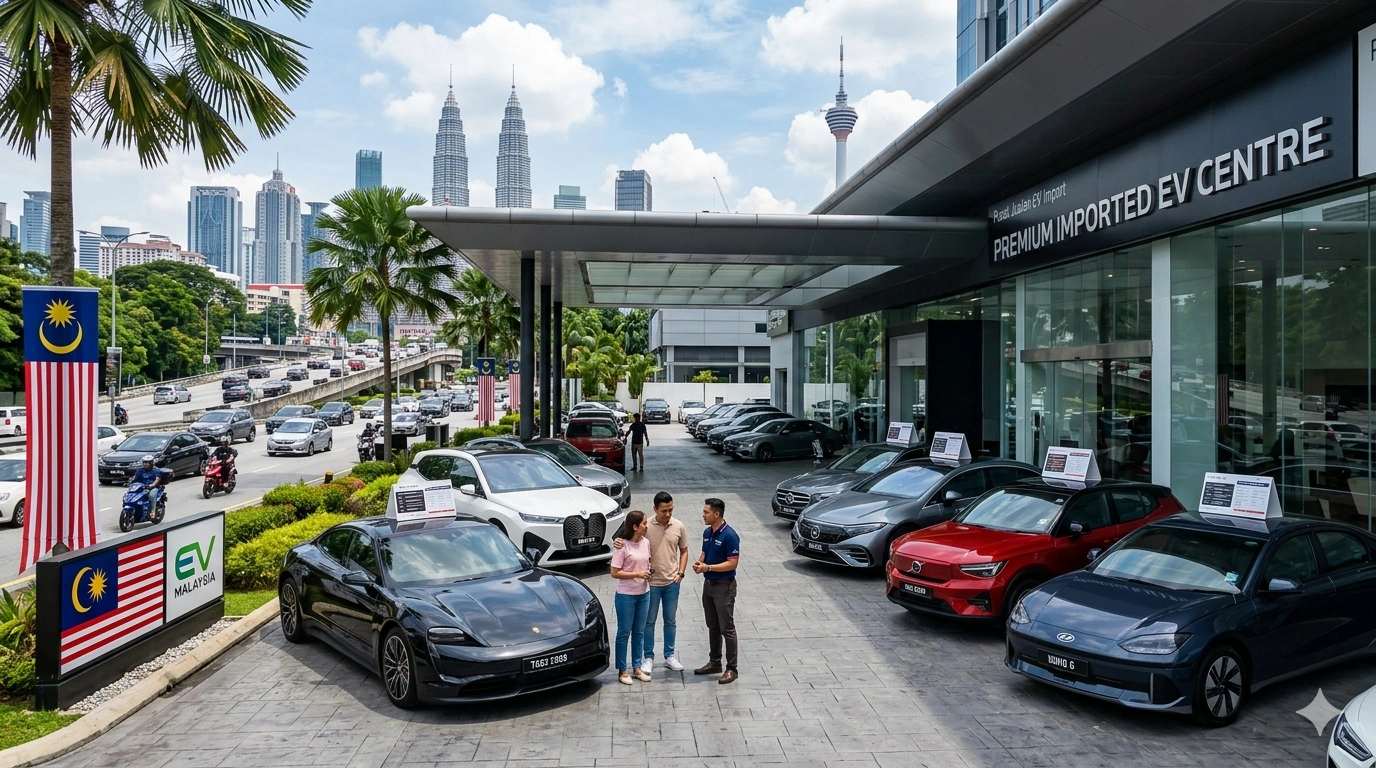
Malaysia’s electric vehicle (EV) industry could be heading towards a major shift as new regulations for fully imported electric vehicles (CBU EVs) are set to take effect from 1 July 2026.
The updated framework announced by Ministry of Investment, Trade and Industry (MITI) introduces stricter requirements for imported EVs entering the Malaysian market. Industry experts believe the move could significantly raise the final retail price of many imported EV models, with some vehicles potentially exceeding RM300,000 after taxes and duties are applied.
The policy marks a new phase in Malaysia’s EV development strategy, focusing more heavily on local manufacturing and assembly instead of import-driven growth.
New MITI Rules for Imported EVs Starting July 2026
Under the revised policy, all imported EVs entering Malaysia from 1 July 2026 onwards must comply with two key requirements:
- Minimum Cost, Insurance and Freight (CIF) value of RM200,000
- Minimum power output of 180kW (241hp / 245PS)
MITI also confirmed that vehicles already in Malaysia, at local ports, or in transit before the implementation date will receive temporary exemptions until existing stocks are fully cleared.
The CIF value refers to the cost of the vehicle before Malaysian excise duties, import taxes, registration fees, and dealer margins are added. As a result, vehicles meeting the RM200,000 CIF threshold could eventually retail at far higher prices once all additional charges are included.
Imported EV Prices Could Surge Beyond RM300,000
Automotive analysts expect the new regulations to heavily impact Malaysia’s growing affordable imported EV segment.
Many current imported EV models sold between RM100,000 and RM200,000 may no longer qualify under the stricter requirements. Once taxes and excise duties are applied, final showroom prices could climb well beyond RM300,000 for several imported models.
The new policy is expected to affect several imported EV brands currently active in Malaysia, including:
- BYD
- MG
- Leapmotor
- Nissan
Industry reports suggest that some manufacturers may need to shift towards local assembly operations if they wish to maintain competitive pricing in Malaysia.
Push Towards Local EV Assembly and Manufacturing
The latest MITI framework is widely viewed as part of Malaysia’s long-term effort to strengthen its domestic EV ecosystem and attract automotive investments.
Unlike fully imported EVs, locally assembled EVs (CKD) are not affected by the new import restrictions. This could create a strong pricing advantage for automakers with existing or future CKD operations in Malaysia.
Potential beneficiaries of the policy include:
- Proton
- Perodua
- Geely
Industry observers believe the policy could encourage greater investments into local EV production, battery technology, supply chains, and manufacturing facilities across Malaysia.
Consumers May Face Fewer Affordable EV Choices
While the policy may support Malaysia’s long-term industrial ambitions, some analysts warn that consumers could face reduced choices in the affordable EV market.
Entry-level imported EVs may gradually disappear from local showrooms, leaving buyers with either premium imported EVs or locally assembled alternatives.
Automotive experts also expect a possible increase in EV purchases before the July 2026 deadline, as consumers rush to secure imported models ahead of anticipated price hikes.

 33°C
33°C
- Temperature
- Precipitation
- Rain Chance
- Wind
- Humidity
- Pressure


Malaysia’s EV Industry Enters a New Phase
Malaysia first introduced attractive EV incentives in 2022 to encourage electric vehicle adoption and attract international automakers into the local market.
However, the latest MITI regulations signal a strategic shift from encouraging imported EV growth towards developing a stronger local EV manufacturing industry.
As the implementation date approaches, Malaysia’s EV market is expected to evolve into a more premium and locally assembled landscape, potentially reshaping the country’s automotive sector for years to come.












Comments are closed.