

Heritage Streets in Penang: UNESCO World Heritage City

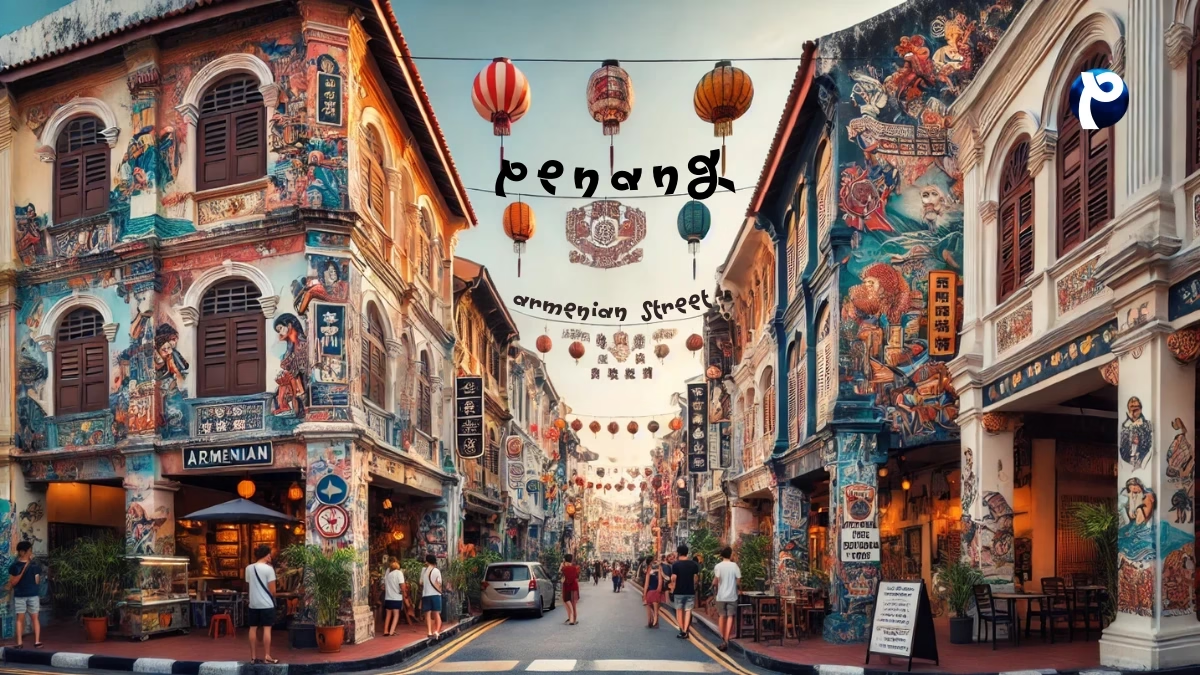
Heritage Streets in Penang: Penang’s historic core—anchored in George Town—operates as a best-in-class case study of how legacy urban planning, multicultural coexistence, and conservation-led growth can coexist. Recognized as a UNESCO World Heritage Site, these streets are not relics frozen in time; they are active corridors where heritage assets continue to deliver cultural, social, and tourism ROI.
What follows is a structured, walkable narrative of Penang’s most significant heritage streets—each a strategic touchpoint in the city’s centuries-old operating model as a global trading port.
Armenian Street (Lebuh Armenian)
Armenian Street is the flagship heritage corridor—arguably Penang’s most recognized brand asset. Historically a residential and mercantile zone for Armenian and Chinese communities, it has evolved into a curated ecosystem of restored shophouses, artisan workshops, and globally recognized street art.
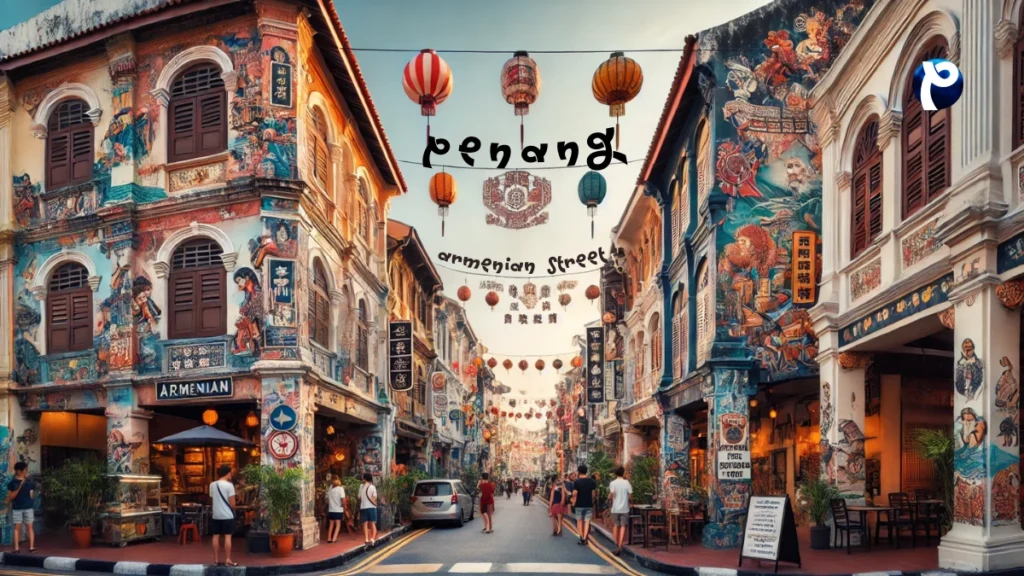
This street exemplifies adaptive reuse done right: preserving architectural integrity while activating modern creative economies. It’s a must-visit for visitors seeking high-impact visuals, cultural storytelling, and experiential depth.
Pitt Street / Jalan Masjid Kapitan Keling
Known operationally as the Street of Harmony, Pitt Street is Penang’s strongest proof point for pluralism. Within a compact stretch stand Masjid Kapitan Keling, Sri Mahamariamman Temple, St. George’s Church, and the Goddess of Mercy Temple.
| Place of Worship | Religion | Year Established |
|---|---|---|
| Masjid Kapitan Keling | Islam | Early 1800s |
| Sri Mahamariamman Temple | Hinduism | 1833 |
| St. George’s Church | Christianity | 1818 |
| Goddess of Mercy Temple | Buddhism / Taoism | 1728 |
From a heritage management lens, this street demonstrates how long-term social alignment and respect for tradition can scale into a globally admired model of coexistence—without compromising authenticity.
Beach Street (Lebuh Pantai)
Beach Street is where Penang’s commercial DNA was first codified. Established shortly after the city’s founding in 1786, it housed banks, trading houses, and colonial offices that powered regional commerce.
Today, its stately facades and restored interiors reflect a successful conservation-meets-commerce strategy—where heritage buildings continue to function as offices, cafes, and institutions, reinforcing economic continuity across generations.
Chulia Street (Lebuh Chulia)
Chulia Street delivers a more informal, people-first heritage experience. Historically linked to South Indian traders and Muslim merchants, the street now balances budget stays, traditional eateries, and late-evening street food.
This is heritage at street level—dynamic, accessible, and alive. It’s particularly valuable for travelers seeking cultural immersion without curated polish.
Farquhar Street (Lebuh Farquhar)
Farquhar Street runs parallel to Penang’s civic evolution. Lined with colonial-era institutions, museums, and heritage hotels, it reflects British administrative planning and early public infrastructure.
From a visitor perspective, it offers quieter, contemplative exploration—ideal for understanding how governance, education, and civic order shaped modern Penang.

 32°C
32°C
- Temperature
- Precipitation
- Rain Chance
- Wind
- Humidity
- Pressure


Market Street (Lebuh Market)
Located near Little India, Market Street continues its original mandate as a trading and retail corridor. Textile shops, spice vendors, and jewelry stores operate much as they did decades ago, making it a living archive of Penang’s Indian merchant heritage.
This street underscores a key takeaway: heritage thrives when tradition remains economically relevant.
- Walkability is the core asset: The heritage streets are best experienced on foot, preserving the original urban rhythm.
- Morning for architecture, evening for culture: Early hours highlight buildings; nights reveal food and street life.
- Respect tradition: These are functioning neighborhoods, not open-air museums.
Penang’s heritage streets are not merely attractions—they are operational legacies. Each road tells a story of trade, tolerance, and time-tested urban wisdom. For travelers who value depth over novelty, these streets deliver a rare alignment of history, authenticity, and forward-looking sustainability.

Comments are closed.