

Healthy Deepavali Snacks in Malaysia

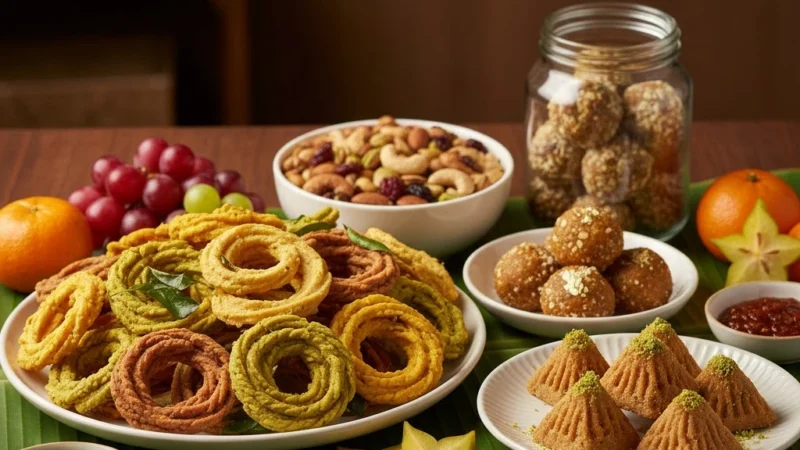
Deepavali, widely known as the Festival of Lights, is a cornerstone of Malaysian Indian festival celebrations. It represents the triumph of light over darkness and good over evil. Over the years, Deepavali has evolved from modest family gatherings to grand community events, while many Malaysians are now choosing healthy Deepavali snacks alongside traditional treats.
The Origins and Evolution of Deepavali in Malaysia
Deepavali in Malaysia traces back to Indian immigrants, primarily from Tamil Nadu, during British colonial times. Initially, celebrations were private and centered around family. Today, Deepavali traditions in Malaysia include temple visits, cultural events, community open houses, and the preparation of festive foods.
This festival has become a symbol of unity among the Malaysian Indian community, showcasing Malaysian Deepavali history and culture across the nation.
Traditional Customs and Rituals
Early Morning Rituals
On Deepavali day, families perform an oil bath before sunrise to purify the body and soul, followed by prayers and offerings to deities.
Temple Visits
Temples like Batu Caves in Kuala Lumpur and Sri Mahamariamman Temple in Penang play a central role in where to celebrate Deepavali in Malaysia, drawing thousands of devotees with vibrant rituals and lights.
Decorations
Homes are adorned with kolam designs (intricate patterns made with colored rice flour) and oil lamps (diyas), symbolizing prosperity and positivity.
Open Houses and Family Gatherings
Malaysian Indian families often host open houses, inviting friends and relatives to share traditional foods, sweets, and gifts, strengthening communal ties.
Regional Deepavali Celebrations
Penang
George Town’s Little India becomes a lively hub with street markets, cultural performances, and festive foods, reflecting rich local traditions.
Kuala Lumpur
Batu Caves attracts thousands for temple prayers, while the city hosts fairs showcasing Indian arts, crafts, and cuisine.
Johor
Johor features community events, family gatherings, and temple celebrations, combining traditional rituals with modern festivities.
Ipoh
Ipoh maintains deep-rooted Indian heritage, where families celebrate Deepavali with rituals, temple visits, and regional culinary specialties.
Traditional Foods and Sweets During Deepavali
Deepavali is synonymous with festive treats, including:
- Murukku – Crunchy spiral snack made from rice and urad dal flour.
- Ladoo – Sweet balls made from chickpea flour or lentils, often garnished with nuts.
- Gulab Jamun – Soft dough balls soaked in sugar syrup flavored with saffron or rose water.
- Coconut Candy – Chewy coconut and jaggery treats.
- Achappam (Rose Cookies) – Crispy flower-shaped cookies deep-fried to perfection.
These snacks are central to Malaysian Deepavali traditions and are often served during family gatherings and open houses.
Healthy Deepavali Snack Alternatives
With growing health awareness, many Malaysians opt for nutritious versions of traditional treats:
- Baked Murukku – Reduces oil content while retaining the classic crunch.
- Oats Ladoo – Made with oats and jaggery, offering fiber and nutrients.
- Roasted Chivda – Flattened rice and nuts roasted instead of fried.
- Protein-Packed Laddoos – Enriched with nuts, seeds, and whey protein.
- Quinoa Kheer – A healthy twist on traditional rice pudding using quinoa.
These options make it easier to enjoy Malaysian Deepavali snacks without compromising on health.
Conclusion
Celebrating Deepavali in Malaysia blends rich cultural heritage, religious rituals, and culinary traditions. While traditional sweets and snacks remain essential, the trend toward healthier options ensures that Malaysians can enjoy festive foods mindfully. From Penang to Kuala Lumpur, Johor to Ipoh, Malaysian Deepavali history and culture continue to thrive through vibrant celebrations and mindful eating.




Comments are closed.