
A Complete Guide to Ramadan Bazaars Across Malaysia’s Major Cities

Introduction
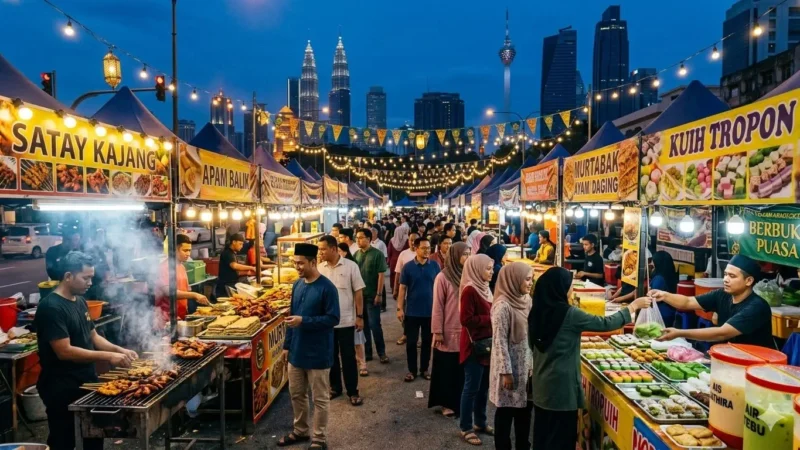
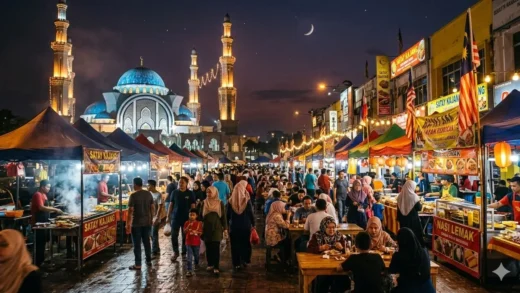
Ramadan is a special time in Malaysia, where the country comes alive with colorful Ramadan bazaars (Pasar Ramadan) filled with local delicacies, festive treats, and a lively community spirit. From Kuala Lumpur’s iconic markets to Penang’s northern flavours and Johor’s bustling bazaars, these markets are a must-visit for locals and travelers alike. This guide highlights Malaysia’s top Ramadan bazaars, what to eat, and tips to make the most of your visit.
Ramadan Coutdown 2026
Kuala Lumpur & Klang Valley Ramadan Bazaars
Kampung Baru Bazaar
Kampung Baru is one of Kuala Lumpur’s oldest and most famous bazaars. It offers traditional Malay dishes like nasi lemak, murtabak, and roti john, alongside modern twists on classic treats. The bustling atmosphere and street-side seating make it perfect for iftar gatherings.
TTDI Ramadan Bazaar
TTDI’s bazaar blends tradition with innovation. Foodies can enjoy gourmet street food, salted egg chicken, and artisanal kuih. This is a hotspot for discovering trendy Malaysian snacks.
Wangsa Maju & Rawang Bazaars
Wangsa Maju boasts one of the longest bazaars in KL, while Rawang’s market stretches over 500 stalls, offering a huge variety of food and drinks. These locations are family-friendly and perfect for evening strolls.
Other Notable KL Bazaars
- Jalan Tuanku Abdul Rahman / Masjid India – Quick bites like putu bambu and murtabak.
- Bukit Bintang Bazaar – Downtown location with diverse food options.
- Stadium Shah Alam Bazaar – Large, spacious, and ideal for groups.
- Subang Jaya, Kelana Jaya & Petaling Jaya – Community bazaars with local favourites.
Penang Ramadan Bazaars
Penang’s bazaars are known for northern Malay specialties and authentic kuih.
Top Penang Bazaars
- Bayan Baru Bazaar – Traveller-friendly and full of local favourites.
- Balik Pulau Bazaar – Offers home-cooked village-style dishes.
- Kepala Batas & Jelutong – Strong local presence with traditional street food.
Must-try Penang dishes: nasi kerabu, asam laksa fusion snacks, grilled seafood, and traditional desserts.
Johor Ramadan Bazaars
Plaza Angsana, Johor Bahru
This is Johor’s largest bazaar, hosting hundreds of food stalls. It’s perfect for families and first-time visitors seeking variety in one location.
Other Johor Hotspots
- Taman Dahlia Bazaar – Nostalgic, community-centric dishes.
- Pasir Gudang & Bandar Baru Uda – Vibrant neighbourhood markets with grilled specialities.
Other Major Cities & Bazaars
Melaka
- MITC Ayer Keroh Bazaar – Largest in the state, perfect for classic Malay dishes.
- Klebang & Bukit Baru – Compact markets with authentic recipes.
Perak
Kedah & Kelantan
- Alor Setar & Sungai Petani Markets – Northern Malay specialties.
- Kota Bharu Bazaar – Coastal cuisine and local sweets.
Terengganu & Pahang
- Batu Buruk Bazaar (Kuala Terengganu) – Seaside ambience with traditional dishes.
- Kuantan Bazaars – Stadium Darul Makmur & Indera Mahkota locations for local eats.
What to Eat at Ramadan Bazaars
Popular dishes across Malaysia’s bazaars include:
- Murtabak, Roti John, Nasi Lemak, Satay
- Nasi Kerabu, Laksa, Mee Rebus
- Grilled seafood & kambing golek
- Kuih-muih like tepung pelita, apam balik, kuih talam
- Fresh juices, bandung, and teh tarik
These bazaars provide a unique culinary experience, blending traditional and modern Malaysian flavors.
Tips for Visiting Ramadan Bazaars
- Timing: Arrive mid-afternoon to avoid peak crowds around 5–7 pm.
- Crowds: Use public transit where possible; popular bazaars can get busy.
- Cash & Bags: Bring small cash denominations and reusable bags.
- Food Safety: Most stalls are halal and hygienic, but check freshness if needed.
Conclusion
Malaysia’s Ramadan bazaars offer an unforgettable experience for food lovers and culture enthusiasts. From Kuala Lumpur’s iconic stalls to Penang’s northern delicacies, Johor’s bustling markets, and Melaka’s traditional flavours, these bazaars are a culinary journey you don’t want to miss. Plan your visits early, explore the diverse food, and immerse yourself in the festive Ramadan atmosphere that defines Malaysia.
FAQ: Ramadan Bazaars in Malaysia
Q1: When do Ramadan bazaars open in Malaysia?
A: Most bazaars open around 4 pm and close shortly after Maghrib, though timings may vary by city.
Q2: Are all food stalls halal?
A: Yes, the majority of vendors in Malaysia’s Ramadan bazaars are halal. Always check stall signage if unsure.
Q3: Which is the biggest Ramadan bazaar in Malaysia?
A: Plaza Angsana, Johor Bahru and Kampung Baru, Kuala Lumpur are among the largest, with hundreds of food stalls.
Q4: What should I eat at a Ramadan bazaar?
A: Try local favourites like murtabak, satay, nasi lemak, grilled seafood, and traditional desserts such as kuih talam and tepung pelita.
Q5: Are Ramadan bazaars family-friendly?
A: Absolutely. Most bazaars are safe, lively, and suitable for families with children.
Q6: How crowded do these bazaars get?
A: Bazaars peak around 5–7 pm before iftar. Arriving early or using public transport is recommended.





Comments are closed.