

Sri Sithi Vinayagar Temple Penang

Introduction
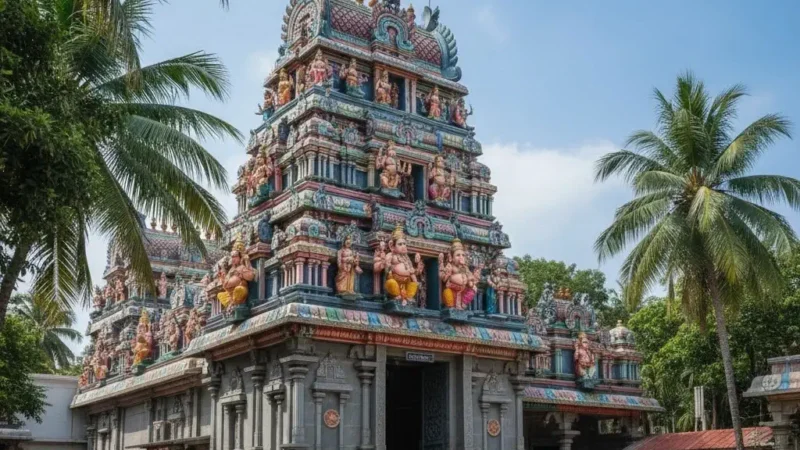
The Sri Sithi Vinayagar Temple in George Town, Penang, is one of Malaysia’s most revered Hindu temples dedicated to Lord Ganesha (Vinayagar), the remover of obstacles and the harbinger of wisdom and prosperity. Nestled along Penang Road, this temple is not just a spiritual sanctuary but a symbol of Penang’s vibrant multicultural heritage, attracting both devotees and tourists from around the world. With its rich history, intricate architecture, and grand festivals, the temple stands as a testament to faith, tradition, and community spirit.
Address & Location
Address: 517, Penang Road, George Town, 10000 George Town, Pulau Pinang, Malaysia
Location: Conveniently located in the heart of George Town near major attractions like Komtar and Little India, the temple is easily accessible by bus, taxi, or even on foot.
Nearest Landmark: Just a short distance from Chowrasta Market and Sri Mahamariamman Temple.
Timings
- Morning: 6:00 AM – 12:00 PM
- Evening: 5:30 PM – 9:00 PM
Note: Timings may vary during special pujas or festival days.
Entry Fee
- Entry: Free for all visitors and devotees.
- Donations: Voluntary contributions are appreciated and help fund temple maintenance, festivals, and community initiatives.
History
The Sri Sithi Vinayagar Temple traces its origins back to the early 19th century, when Indian immigrants and traders established it as a place of worship for the local Hindu community in Penang. Over time, the temple became a cornerstone of spiritual life and cultural identity for Tamil Hindus in the region. The temple has undergone several renovations, each enhancing its beauty while preserving its traditional essence. Its enduring presence today reflects Penang’s longstanding commitment to multicultural harmony.
Interesting Facts
- It is one of the oldest Hindu temples in Penang, symbolizing cultural resilience and unity.
- The main deity, Lord Ganesha, is believed to be self-manifested (Swayambhu Murti).
- The temple attracts thousands of devotees during Vinayagar Chaturthi, one of its grandest annual festivals.
- The management organizes free meals (annadanam), charity events, and religious education programs for the community.
Architecture & Features
The temple is a fine example of Dravidian architecture, characterized by its vibrant gopuram (tower) and detailed sculptures.
Highlights include:
- Gopuram (Temple Tower): Adorned with colorful depictions of Hindu gods and celestial beings.
- Main Sanctum (Garbhagriha): Houses the idol of Lord Ganesha, decorated with fresh garlands and ornaments.
- Side Shrines: Dedicated to Lord Murugan, Goddess Parvati, and Lord Shiva.
- Mandapam (Hall): Used for community prayers and cultural gatherings.
- Walls feature murals and carvings inspired by the Ramayana and Mahabharata, showcasing South Indian artistic traditions.
Temple Features & Facilities
- Clean prayer areas and peaceful ambience
- Dedicated spaces for offerings and rituals
- Free prasadam (blessed food) during special days
- Facilities for special pujas, weddings, and cultural functions
- Shoe racks and wash areas for devotees’ convenience
What to Do
- Offer coconuts, fruits, and flowers to Lord Ganesha for blessings of prosperity and success.
- Participate in morning and evening aarti to experience spiritual calm.
- Join special pujas during Vinayagar Chaturthi or Deepavali.
- Support the temple’s charity programs or attend its cultural events.
- Explore Little India nearby for traditional food and souvenirs after visiting.
What Not to Do
- Do not bring non-vegetarian food, tobacco, or alcohol inside.
- Dress modestly – ensure shoulders and knees are covered.
- Avoid loud conversations or photography inside sanctums.
- Refrain from touching idols or sacred items without permission.
Festivals & Events
The temple celebrates several major Hindu festivals with great devotion and community participation:
- Vinayagar Chaturthi (Ganesh Chaturthi):
The highlight of the temple calendar. Elaborate rituals, special pujas, and colorful processions mark the celebration of Lord Ganesha’s birth. - Deepavali (Festival of Lights):
The temple is beautifully illuminated with lamps symbolizing light’s triumph over darkness, accompanied by prayers and cultural performances. - Thaipusam:
Many devotees visit this temple to seek blessings before heading to Batu Caves or the Waterfall Hill Temple. - Navaratri, Panguni Uthiram & Karthigai Deepam:
Observed with devotional songs, rituals, and offerings, celebrating divine feminine power and light.
Historical Significance
The Sri Sithi Vinayagar Temple represents over a century of faith and devotion among Penang’s Hindu community. It has served as a unifying force for generations, fostering inter-ethnic understanding and preserving cultural traditions. Its continued prominence underscores Penang’s identity as a melting pot of cultures where Hindu, Chinese, and Malay heritage coexist harmoniously.

 31°C
31°C
- Temperature
- Precipitation
- Rain Chance
- Wind
- Humidity
- Pressure


Conclusion
The Sri Sithi Vinayagar Temple is more than a place of worship — it is a symbol of Penang’s spiritual soul and cultural richness. Whether you are a devotee seeking divine blessings or a traveler exploring Penang’s heritage, the temple promises a serene and enlightening experience. Its majestic architecture, historical legacy, and vibrant festivals make it a must-visit destination in Malaysia.



Comments are closed.