

West India Aviation Synergies – KL–Mumbai Corridor Analysis

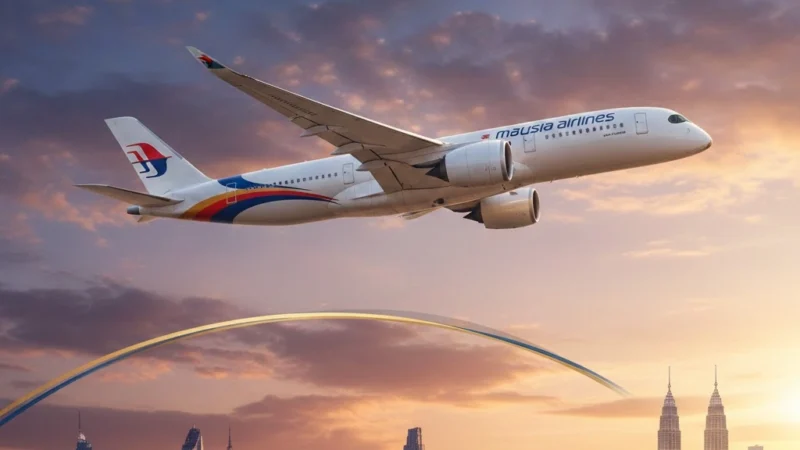
West India Aviation Synergies: KL–Mumbai Corridor Analysis
The Kuala Lumpur (KUL) – Mumbai (BOM) route remains one of the strongest aviation corridors connecting Southeast Asia with West India. With consistent year-round demand from business travellers, the Indian diaspora, leisure tourists and transit passengers, the route continues to offer significant commercial potential. This expanded analysis now includes ticket details, fare types and booking guidance for travellers and planners.
Route Overview
The KL–Mumbai sector covers approximately 3,600 km with an average non-stop flight time of 5–5.5 hours, served by both full-service and low-cost carriers. The route is ideal for corporate travellers, holidaymakers and transit passengers moving between India and ASEAN.
Market Demand & Passenger Segmentation
- VFR (Visiting Friends & Relatives): Strong links between Indian communities in Malaysia and Mumbai.
- Business Travel: Mumbai’s financial dominance creates consistent premium demand.
- Tourism: Malaysia is a popular holiday destination for Indian travellers.
- Transit: Kuala Lumpur serves as a major gateway to ASEAN, Australia and East Asia.
Airlines Operating KL–Mumbai
- Malaysia Airlines (MH) – Non-stop full-service offering meals, baggage and loyalty benefits.
- IndiGo (6E) – Low-cost non-stop option focusing on competitive fares and high frequency.
Timings may vary by season, with additional flights commonly added during peak travel periods.
Ticket Details (Fare Types, Inclusions & Booking Tips)
This section provides traveller-focused information to help understand fare structures on the KL–Mumbai corridor.
A. Malaysia Airlines (MH) – Full-Service Carrier
Fare Types
Economy Lite
- 7kg cabin baggage
- No check-in baggage
- Meals included
- Paid seat selection
- Suitable for short trips with minimal luggage
Economy Basic
- 7kg cabin + 20kg check-in baggage
- Meals included
- Standard seat selection
- Date-change fees apply
Economy Flex
- 7kg cabin + 25/30kg check-in baggage
- Free changes + refund options
- Priority boarding & check-in
- Best for business travellers
Business Class
- 40kg baggage
- Lie-flat seats on selected aircraft
- Lounge access
- Premium meals & priority services
B. IndiGo (6E) – Low-Cost Carrier
Fare Types
Saver Fare
- 7kg cabin baggage
- Check-in baggage is optional (paid)
- Meals available for purchase
- Seat selection extra
- Ideal for budget travellers
Flexi Plus
- 7kg cabin + 20kg check-in baggage
- Free date changes
- Complimentary seat selection
- Meals must be added for a fee
6E Prime
- Preferred seating
- Snack combo
- Priority services
- Faster boarding and check-in
C. Typical Fare Range (Indicative Only)
Actual fares vary based on season, demand, and booking date.
- Low-cost carriers (IndiGo):
Approx. ₹7,000–₹18,000 (one-way) - Full-service carriers (Malaysia Airlines):
Approx. ₹14,000–₹32,000 (one-way)
Peak periods (Diwali, summer holidays, Christmas/New Year) often see fare increases of 20–40%.
D. Best Time to Book
- Cheapest fares usually appear 4–8 weeks before travel.
- Avoid last-minute bookings during festive seasons.
- Mid-week departures are generally cheaper than weekend flights.
E. Baggage Guidelines
- Cabin baggage: 7kg standard across most carriers
- Check-in baggage: 20kg (LCC) to 30–40kg (FSC) depending on class
- Extra baggage is cheapest when purchased at booking time
F. Add-ons & Ancillaries
Travellers may add:
- Priority boarding
- Seat upgrades (XL seats, exit row, premium front section)
- Pre-booked meals
- Travel insurance
- Lounge access (FSC often included for premium cabins)
Capacity, Pricing & Yield Trends
- Heavy competition keeps fares price-sensitive.
- LCCs stimulate significant VFR and leisure demand with dynamic pricing.
- FSCs depend on business travel, cargo and premium-segment stability.
- Cargo such as perishables, electronics and express shipments boosts overall sector revenue.
Airport Connectivity
Kuala Lumpur International Airport (KUL)
- Excellent regional connectivity
- Seamless transfers between KLIA & KLIA2
- Rail and bus links into Kuala Lumpur city
Mumbai Airport (BOM)
- Strong domestic feeds into India’s western, southern and northern regions
- Metro, taxi and intercity bus options available
- Busy but efficient international terminal handling large traffic volumes
Strategic Growth Opportunities
- Increase festival-season capacity to capture high-yield demand
- Expand codeshare networks to reach India’s Tier-2 and Tier-3 markets
- Strengthen cargo partnerships to boost bellyhold revenue
- Enhance digital fare bundles for LCC upselling
- Target corporate accounts with flexible fare products and loyalty integration
FAQ
Q1. How long is a KL–Mumbai flight?
Approx. 5–5.5 hours non-stop.
Q2. Which airlines fly direct?
Malaysia Airlines (FSC) and IndiGo (LCC).
Q3. What is the cheapest time to fly?
Mid-week, outside festive seasons, booked 4–8 weeks in advance.
Q4. Are meals included?
Included on Malaysia Airlines; chargeable on IndiGo unless bundled.
Q5. How much baggage is allowed?
Usually 7kg cabin, plus 20–40kg check-in depending on fare type.
Conclusion
The Kuala Lumpur–Mumbai air corridor is a robust, high-demand route offering strong commercial opportunities for airlines and seamless travel options for passengers. With diverse fare classes, flexible ticketing options, competitive pricing and consistent year-round demand, the corridor is poised for continued growth. Airlines can further enhance profitability by optimizing schedules, strengthening partnerships and deploying targeted marketing strategies during peak travel periods.






Comments are closed.