

Strengthening Eastern Indonesia Circulation – KL–Makassar Route Briefing

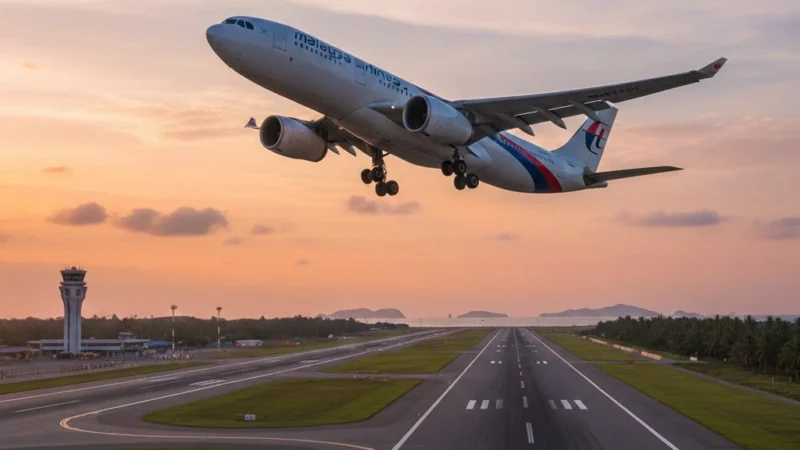
The Kuala Lumpur–Makassar (KL–UPG) air corridor is rapidly becoming one of Southeast Asia’s most strategic regional connections. As Eastern Indonesia expands its tourism sector, industrial activity, and international mobility, the KL–Makassar route is emerging as a vital link that supports travel, business, and transit across the ASEAN region. This SEO-optimised briefing explores airline activity, demand trends, ticket insights, airport facilities, and future growth potential.
Why the KL–Makassar Route Matters
Makassar, capital of South Sulawesi, is a major maritime hub and gateway to several top-tier destinations including Tana Toraja, Bira Beach, and Wakatobi. From Kuala Lumpur’s globally connected KLIA, the route strengthens:
- Tourism circulation between Malaysia and Eastern Indonesia
- Business and industrial connectivity for trade, fisheries, logistics, and maritime industries
- Religious travel flows for Umrah and Hajj traffic via KLIA
- ASEAN integration through improved regional air mobility
This route caters to both leisure and business travellers, as well as a large transit market heading toward Europe, the Middle East, and South Asia.
Airlines Operating KL–Makassar Flights
While direct flights fluctuate seasonally, the KL–Makassar sector is supported by a combination of direct and efficient one-stop connections:
Direct & One-Stop Operator Overview
- AirAsia – Offers direct/seasonal regional flights and strong budget connectivity
- Malaysia Airlines (MAS) – Provides seamless transfers via KLIA to domestic Indonesia & long-haul routes
- Garuda Indonesia – One-stop via Jakarta or Surabaya, strong for premium travellers
- Lion Air / Batik Air – High-frequency domestic feeds into Makassar connecting to KL flights
These airlines ensure year-round connectivity with strong feeder traffic.
Flight Duration & Schedule Insights
- Direct flight time: Around 3 hours 45 minutes – 4 hours
- One-stop options: 6–10 hours depending on transit airport
- Peak travel periods: School holidays, Eid, December holidays, and Umrah peak seasons
- Most popular departure times: Afternoon and evening flights preferred for convenience
Passenger Demand Trends
1. Leisure & Tourism
Makassar attracts Malaysian travellers looking for:
- Toraja traditional culture and highland scenery
- Scenic beaches, diving spots, and outdoor activities
- Unique culinary experiences such as Coto Makassar, Pallubasa, Konro, Es Pisang Ijo
2. Business & Industry
Flows remain consistent due to Makassar’s role in:
- Maritime and fishing industries
- Port and logistics sectors
- Construction, manufacturing, and regional trade
3. Transit & Religious Travel
Many Makassar travellers route through KLIA for:
- Umrah & Hajj
- Europe-bound routes
- South Asian connections
This strengthens KLIA’s position as a preferred regional hub.
Ticket Details & Travel Costs
- Average fare (one-way): RM 350–RM 900
- Return fares: Typically RM 750–RM 1,500 depending on season
- Best booking window: 30–45 days before departure
- Airline baggage policies:
- AirAsia – 7 kg cabin, paid baggage add-ons
- MAS – 20–30 kg checked baggage included
- Peak fare months: February, June, August, December
Tips for cheaper fares:
- Book during airline sales (AirAsia BIG Sale, MAS mid-year & year-end promo)
- Avoid weekend departures
- Compare via KLIA vs klia2 departure options
Makassar Airport Guide: Sultan Hasanuddin International Airport (UPG)
UPG is Eastern Indonesia’s primary aviation hub offering:
- Modern domestic and international terminals
- Extensive food courts and local specialty stalls
- Duty-free and retail zones
- Airport lounges for premium travellers
- ATM, SIM card counters, and currency exchange
Transportation to Makassar City
- Taxi & ride-hailing (20–40 minutes depending on traffic)
- Shuttle buses and airport coaches
- Car rentals (convenient for Toraja travel)
Top Reasons Travellers Choose KL–Makassar
- Convenient access to Eastern Indonesia destinations
- Competitive airline fares
- Strong religious travel connectivity
- Medical and shopping tourism in Kuala Lumpur
- Smooth long-haul transit connections at KLIA
Future Outlook & Growth Potential
The KL–Makassar air corridor is positioned for sustained growth due to:
- Eastern Indonesia’s rising tourism campaigns
- Increased Malaysian investment interest in Sulawesi
- Expanding regional trade and logistics
- Higher outbound Makassar travel for education and medical reasons
Airlines may consider:
- Increasing frequency
- Introducing additional seasonal direct flights
- Enhancing codeshares for seamless travel
FAQ
1. Are there direct flights from Kuala Lumpur to Makassar?
Direct flights appear seasonally, mainly by AirAsia. One-stop options through Jakarta or Surabaya run year-round.
2. How long is the KL–Makassar flight?
Direct flights take approximately 4 hours.
3. Which airport handles Makassar flights?
Sultan Hasanuddin International Airport (UPG) serves Makassar and Eastern Indonesia.
4. When is the best time to visit Makassar?
The dry season, May to October, offers the best weather for beaches and highland trips.
5. What is Makassar best known for?
Its maritime heritage, Toraja culture, pristine beaches, diving spots, and signature dishes like Coto Makassar.
Conclusion
The KL–Makassar route is a vital connector strengthening Eastern Indonesia’s tourism, mobility, and economic circulation. With consistent demand from leisure, business, and transit markets, this corridor plays a key role in enhancing regional integration between Malaysia and Indonesia. As travel appetite grows, the route is expected to see improved connectivity, better frequency, and broader airline interest.




Comments are closed.