

Ramadan & Eid Moon-Sighting Locations in Malaysia

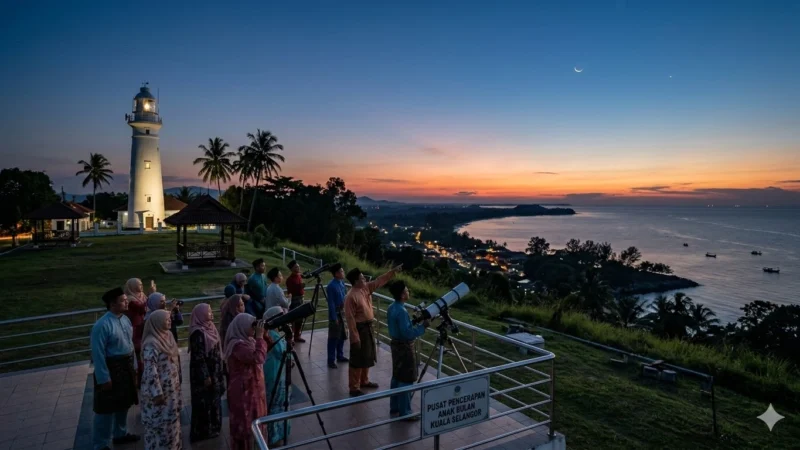
The beginning of Ramadan, Syawal (Eid al-Fitr), and Zulhijjah (Eid al-Adha) in Malaysia is determined through an official moon-sighting process known as Rukyah. This process combines traditional Islamic practices with modern astronomy to ensure accurate determination of important Islamic dates.
The national observation is coordinated by the Department of Islamic Development Malaysia (JAKIM), while the official announcement of Ramadan or Eid is delivered by the Keeper of the Rulers’ Seal.
To ensure reliable observations, Malaysia has 29 officially recognized moon-sighting locations across the country. Religious officials, astronomers, and scholars gather at these sites on the evening of the 29th day of the Islamic month to observe the crescent moon.
This guide explains where moon sighting takes place in Malaysia, how the process works, and why these locations are important.
Official Moon-Sighting Locations in Malaysia
Malaysia has carefully selected observation sites that offer clear western horizons, minimal light pollution, and elevated viewing points.
| No | Location | State |
|---|---|---|
| 1 | Bukit Melawati | Selangor |
| 2 | Pantai Pasir Panjang | Negeri Sembilan |
| 3 | Teluk Kemang | Negeri Sembilan |
| 4 | Balai Cerap Al-Khawarizmi, Tanjung Bidara | Melaka |
| 5 | Kompleks Falak Al-Khawarizmi | Melaka |
| 6 | Gunung Pulai | Johor |
| 7 | Pontian Kechil | Johor |
| 8 | Tanjung Piai | Johor |
| 9 | Menara Kuala Lumpur | Kuala Lumpur |
| 10 | Bukit Jugra | Selangor |
| 11 | Pantai Aceh | Pulau Pinang |
| 12 | Kampung Pulau Sayak | Kedah |
| 13 | Gunung Jerai | Kedah |
| 14 | Langkawi National Observatory | Kedah |
| 15 | Bukit Besar | Terengganu |
| 16 | Pantai Sabak | Kelantan |
| 17 | Bukit Pelindung | Pahang |
| 18 | Tioman Island | Pahang |
| 19 | Bukit Tanjung Batu | Sarawak |
| 20 | Teluk Bandung | Sarawak |
| 21 | Bukit Temanggong | Sarawak |
| 22 | Bukit Timbang | Sabah |
| 23 | Balai Cerap Al-Biruni | Sabah |
| 24 | Tanjung Dumpil | Sabah |
| 25 | Labuan International Sea Sport Complex | Labuan |
| 26 | Bukit Peraksi | Perlis |
| 27 | Kuala Sungai Baru | Melaka |
| 28 | Pulau Angsa | Selangor |
| 29 | Bukit Tanjung Batu Observatory | Sarawak |
These locations play a critical role in determining the official start of Islamic months in Malaysia.
Why These Locations Are Selected
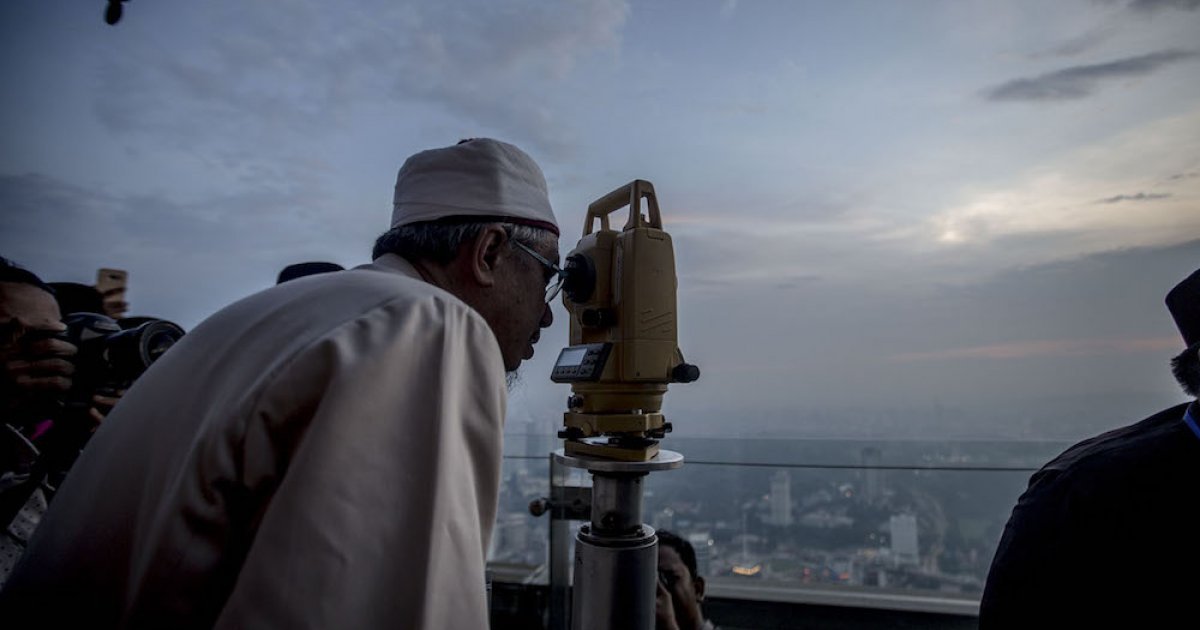
Moon-sighting locations in Malaysia are chosen using specific scientific and environmental criteria to improve visibility of the thin crescent moon.
| Factor | Importance |
|---|---|
| Clear Horizon | Provides unobstructed view of the moon after sunset |
| Elevated Location | Hills or observatories improve viewing angles |
| Low Light Pollution | Makes it easier to detect the faint crescent moon |
| Stable Weather | Coastal areas often have clearer skies |
Many observation points are located near coastlines or on elevated hills, which increases the chances of successfully sighting the moon.
What Happens During the Moon-Sighting Observation
On the 29th evening of the Islamic month, official observers gather at the designated sites to determine whether the new crescent moon is visible.
The Observation Process
- Religious officials and astronomers arrive before sunset.
- Telescopes and optical equipment are prepared for observation.
- Observers monitor the western horizon immediately after sunset.
- If the crescent moon is sighted, the observation is verified and documented.
- Reports are submitted to national authorities.
After verification, the official result is announced nationwide by the Keeper of the Rulers’ Seal through television, radio, and digital platforms.
The Role of Astronomy in Malaysia’s Moon-Sighting
Malaysia follows a combined method known as Rukyah and Hisab, which integrates traditional observation with modern scientific calculations.
| Method | Meaning |
|---|---|
| Rukyah | Physical sighting of the crescent moon |
| Hisab | Astronomical calculations predicting moon visibility |
Astronomical data helps determine whether the moon should be visible, while the final confirmation comes from actual observation.
This system ensures both religious authenticity and scientific reliability.
Importance of Moon Sighting for Muslims in Malaysia
The moon-sighting process determines the beginning of major Islamic events.
| Event | Islamic Month |
|---|---|
| Start of Ramadan | 1 Ramadan |
| Eid al-Fitr | 1 Shawwal |
| Eid al-Adha | 1 Zulhijjah |
Since the Islamic calendar is based on lunar cycles, every month begins only after the new crescent moon is confirmed.
Conclusion
Malaysia follows a well-organized national moon-sighting system that combines Islamic tradition with modern astronomy. With 29 official observation locations across the country, authorities can accurately determine the start of important Islamic months and celebrations such as Ramadan, Eid al-Fitr, and Eid al-Adha.
This coordinated effort reflects Malaysia’s commitment to preserving religious authenticity while using scientific methods to support lunar calendar observations.
FAQ
How many moon-sighting locations are there in Malaysia?
Malaysia has 29 officially recognized moon-sighting locations across the country.
Who coordinates the moon sighting in Malaysia?
The process is coordinated by the Department of Islamic Development Malaysia (JAKIM) along with state Islamic authorities.
When does moon sighting take place?
Moon sighting is conducted on the evening of the 29th day of the Islamic month, especially before Ramadan, Syawal, and Zulhijjah.
How is the official Eid date announced?
The announcement is made by the Keeper of the Rulers’ Seal through national television, radio, and government media channels.

 24°C
24°C
- Temperature
- Precipitation
- Rain Chance
- Wind
- Humidity
- Pressure


Can the public visit moon-sighting locations?
Some observatories and sites allow public visits or educational tours, but official moon sightings are conducted by appointed religious officers and astronomers.







Comments are closed.