

North Asia Service Reinforcement – KL–Taipei Route Dynamics — With Travel Cost

Introduction
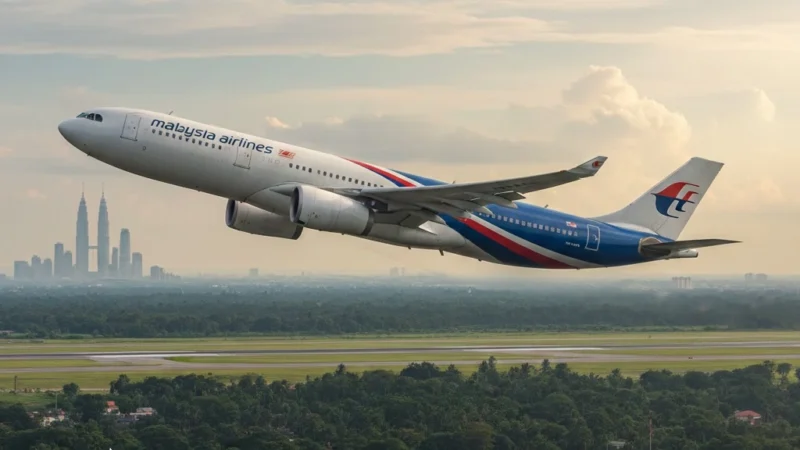
The KL–Taipei corridor is emerging as a pivotal link in North Asia–Southeast Asia trade. Strengthened services along this route are driven by rising trade, expanding port capacities, and strategic supply chain diversification. Beyond shipping, this corridor also supports significant air passenger traffic, offering competitive airfare options for business and leisure travelers.
Malaysia–Taiwan Trade Dynamics
Trade between Malaysia and Taiwan has grown significantly, reflecting strong economic complementarities:
- Exports from Malaysia to Taiwan: Electronics, electrical machinery, and chemical products.
- Imports from Taiwan to Malaysia: High-tech components, machinery, and manufactured goods.
Recent reports indicate Malaysia–Taiwan trade has surged, creating higher demand for both maritime shipping and air travel connectivity. This trend positions Port Klang and Taiwan Taoyuan International Airport (TPE) as critical hubs in intra-Asia logistics networks.
KL–Taipei Air Ticket Prices
For travelers planning flights between Kuala Lumpur and Taipei, current approximate fares are:
| Ticket Type | Price Range |
|---|---|
| One-way Budget | RM 364 |
| Round-trip Budget | RM 713 |
| Low-fare via Trip.com | US$79 one-way, US$155 round-trip |
| Traveloka Malaysia | From RM 329 one-way |
Notes:
- Budget fares often exclude checked baggage.
- Prices fluctuate based on travel dates, airline promotions, and booking platforms.
- Direct flights take approximately 4.5–5 hours.
Maritime Connectivity: KL–Taipei Shipping
Shipping routes between Port Klang (Malaysia) and Taipei play a key role in regional trade:
- Transit Time: ~6 days 4 hours
- Frequency: Every 1–2 days for container shipments
- Carriers: Evergreen, CMA CGM, and other regional shipping lines provide regular services, ensuring reliable cargo movement.
This frequent maritime service complements air connectivity and strengthens Malaysia’s role as a regional logistics hub.
Strategic Drivers for Service Reinforcement
The KL–Taipei route reinforcement is influenced by several factors:
- Trade Growth: Increasing exports and imports between Malaysia and Taiwan.
- Supply Chain Diversification: Companies adopting China +1 strategies leverage Malaysia as an alternative hub.
- Port Infrastructure: Expansion at Port Klang and improved terminal efficiency.
- Geopolitical Considerations: Diversifying routes to mitigate regional risks.
- Cost and Efficiency: Sea freight offers competitive pricing for bulk goods, while frequent air services meet urgent delivery needs.
Implications for Shippers and Travelers
- Business Travelers: Affordable flights combined with maritime cargo options support trade and corporate travel planning.
- Tourists: Short direct flights make Taipei an attractive destination.
- SMEs: Reinforced routes improve logistics reliability and cost efficiency.
- Carriers: Reinforced services enhance competitiveness in North Asia–Southeast Asia trade corridors.
Strategic Recommendations
- Optimize Port and Airport Collaboration: Streamline berthing and handling procedures for smoother logistics.
- Leverage Digital Freight Tools: Track cargo, forecast demand, and optimize booking.
- Promote Sustainable Shipping: Encourage carriers to use fuel-efficient vessels.
- Support SME Trade: Policy incentives and matchmaking programs to facilitate business growth.
- Plan for Contingencies: Alternative routes and risk mitigation strategies for geopolitical and regulatory challenges.
FAQ: KL–Taipei Travel
Q1: Which airport do flights from KL land at in Taipei?
Most flights arrive at Taiwan Taoyuan International Airport (TPE).
Q2: Which airlines operate on this route?
- AirAsia X (direct)
- Scoot (stopover options)
- Malaysia Airlines, Batik Air, Thai Airways (connecting flights)
Q3: When is the cheapest time to book?
- During airline seat sales
- Several weeks in advance generally offers lower fares
Q4: Are there baggage or cancellation fees?
- Budget fares may exclude checked baggage
- Flexible tickets available for higher fares
Q5: Flight duration?
- Approximately 4.5–5 hours direct
Q6: Visa requirements?
- Depends on nationality; some travelers may need a visa or electronic travel authorization
Q7: Alternative travel options?
- Air travel is most practical; sea travel for passengers is rare
Conclusion
The KL–Taipei corridor is a cornerstone of regional trade and travel. Reinforced shipping services combined with frequent and affordable air travel offer unparalleled connectivity, making this route crucial for business, tourism, and logistics growth in North Asia and Southeast Asia.





Comments are closed.