

Mee Goreng Mamak

Malaysian Food
Mee Goreng Mamak
Origin
Malaysia – specifically from the Indian-Muslim (Mamak) community. Also a popular street food in Singapore.
Category
Main course / Street food / Noodle dish
Appearance
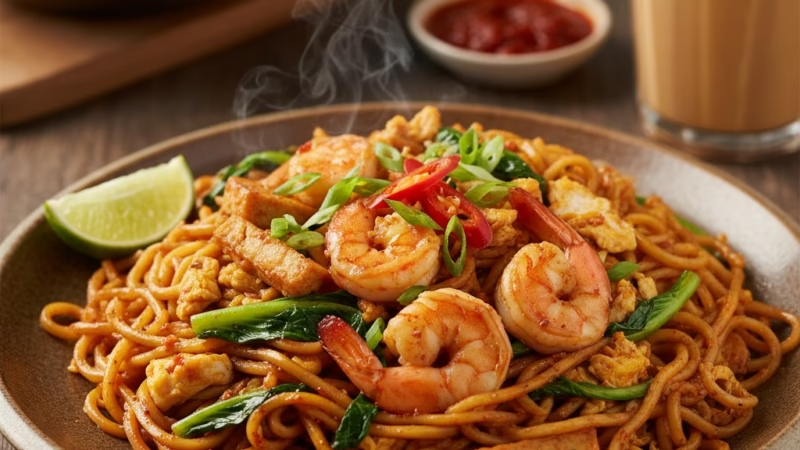
Stir-fried yellow noodles coated in a reddish-brown sauce with egg, tofu, bean sprouts, potatoes, cabbage, and garnished with lime and sliced chilies. The dish looks vibrant, slightly saucy, and glistening from wok-frying.
Ingredients
- Yellow noodles
- Garlic, shallots, green chilies
- Egg
- Potato cubes (boiled/fried)
- Tofu or fried bean curd
- Bean sprouts, cabbage
- Soy sauce (light & dark)
- Sambal or chili paste
- Tomato sauce
- Optional: prawns, squid, chicken, or beef
- Lime (for garnish)
Preparation
Noodles are wok-fried on high heat with sambal, sauces, and vegetables. Potatoes and tofu are tossed in with egg and bean sprouts for texture. Finished with a squeeze of lime before serving.
Equipment
- Wok
- Wok spatula (ladle)
- High-heat stove (traditionally charcoal)
Variations
- Mee Goreng Basah – slightly wet version with more gravy
- Seafood Mee Goreng – with prawns, squid, or cuttlefish
- Mee Goreng Ayam/Daging – with chicken or beef
- Vegetarian Mee Goreng – tofu & vegetables, no egg/meat
Taste
Savory, spicy, tangy, with a balance of sweet and umami notes.
Texture
Soft noodles, chewy tofu, crispy fried potato edges, and crunchy bean sprouts.
Aroma
Smoky wok aroma with fried chili, soy, and tangy tomato notes.
Sound
Sizzling sound as sauces and noodles hit the hot wok – an essential sensory element of the cooking process.
Cultural Significance
A signature dish of Mamak stalls, Mee Goreng Mamak reflects Malaysia’s multicultural identity and the strong influence of Indian-Muslim cuisine in everyday street food culture.
Symbolism
Represents Malaysia’s cultural fusion – Indian cooking with Malay and Chinese flavors.
Regional Cuisine
- Malaysia: Widely available in Penang, Kuala Lumpur, Johor, and beyond
- Singapore: A hawker staple
Social Context
Commonly eaten at night markets or Mamak stalls as a late-night supper. Associated with social gatherings, football screenings, and casual hangouts.
Nutritional Information
- Carbohydrates: High (noodles, potatoes)
- Protein: Moderate (egg, tofu, optional meat/seafood)
- Fiber: From bean sprouts & vegetables
- Sodium: High due to sauces
Health Benefits
- Provides quick energy
- Egg & tofu supply protein
- Vegetables offer vitamins & fiber
- Lime adds vitamin C
Dietary Restrictions
- Not vegan (contains egg) but can be adapted
- Halal (commonly served in Mamak stalls)
- Not gluten-free unless alternative noodles used
Allergens
- Wheat (noodles)
- Soy (tofu, soy sauce)
- Egg
- Seafood (in seafood variations)
Cost
Affordable: RM 5–10 in Malaysia; SGD 5–8 in Singapore.
Production
Cooked fresh per order in a hot wok, ensuring flavor and smokiness.
Sustainability
Generally sustainable with local vegetables and tofu; however, seafood versions may raise concerns depending on sourcing.
Availability
Easily found across Malaysia and Singapore in Mamak restaurants, hawker centers, and food courts.
History
Developed by Indian-Muslim immigrants in Malaysia, who infused traditional fried noodles with local spices, potatoes, tofu, and sambal. Over time, it became iconic of Mamak food culture.
Anecdotes
In Penang, Mee Goreng Mamak often comes with cuttlefish sambal, giving it a unique twist. Many Malaysians recall enjoying it while watching late-night football at a Mamak stall with friends.
How to Prepare
- Heat oil in a wok, sauté garlic, shallots, and sambal.
- Add tofu, potato cubes, and vegetables.
- Toss in yellow noodles, egg, and sauces.
- Stir-fry over high heat until smoky.
- Serve with lime and fresh chilies.
FAQ
Q: Is Mee Goreng Mamak always spicy?
A: Yes, but you can request less sambal for a milder version.
Q: What makes it different from Indonesian Mie Goreng?
A: Mee Goreng Mamak is spicier, tangier, and smokier, while Indonesian Mie Goreng is sweeter due to kecap manis.
Q: Can it be vegetarian?
A: Yes, remove egg, seafood, or meat and keep tofu and vegetables.
Q: Is it only served at night?
A: No, but it’s most popular as a dinner or late-night supper dish.




Comments are closed.