

Kundang

Introduction
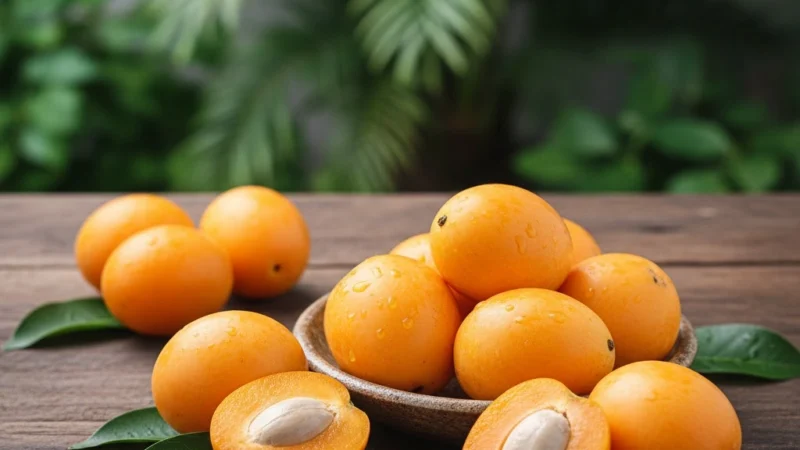
Kundang, known for its vibrant character and refreshing acidity, stands as one of Malaysia’s cherished tropical fruits with deep cultural resonance. Long enjoyed across rural communities, it reflects a heritage of foraging, home gardening, and seasonal celebration. Today, as Malaysia’s culinary landscape expands toward contemporary interpretations of traditional ingredients, Kundang is re-emerging as a versatile fruit valued for its flavour, natural colouring, and gastronomic adaptability.
Its growing relevance aligns with consumer interest in authentic, locally rooted produce—positioning Kundang as both a cultural emblem and a promising component in modern Malaysian cuisine.
Origin
Kundang is native to the tropical lowland forests of Malaysia, Indonesia, and Thailand. It belongs to the Bouea genus under the Anacardiaceae family, the same botanical lineage as mangoes and cashews. Traditionally, the fruit thrived in village orchards and semi-wild environments, where it grew well in humid climates and fertile soils.
Over generations, its cultivation expanded through local trade and agricultural integration, making it a familiar presence across Southeast Asia and a valued component of Malaysia’s fruit biodiversity.
Category
| Category | Details |
|---|---|
| Scientific Name | Bouea macrophylla |
| Family | Anacardiaceae |
| Category | Tropical Stone Fruit |
| Seasonality | Seasonal; peak harvest March–June |
Appearance
Kundang presents a small to medium oval shape with smooth, glossy skin that transitions from green when unripe to yellow, orange, or golden as it matures. Its thin rind encases juicy, aromatic flesh that varies from firm and tangy in young fruits to soft and sweet in fully ripe ones. The seed is characteristically flat and often tinged purple, especially in wild varieties, giving the fruit a distinctive visual signature.
Popular Varieties
| Variety | Local Name | Distinctive Features | Region of Prominence |
|---|---|---|---|
| Bouea macrophylla | Kundang | Balanced sweet–sour flavour | Peninsular Malaysia |
| Bouea oppositifolia | Remia / Plum Mango | Strong acidity, smaller size, purple seed | Northern Malaysia |
| Wild Forest Kundang | Kundang Hutan | Intense aroma, highly sour flesh | Sabah & Sarawak |
Preparation
- Enjoyed fresh as a ripe fruit
- Used in pickles and preserved snacks
- Incorporated into desserts such as sorbet, jelly, and fruit salads
- Added to traditional dishes such as sambal, kerabu, curries, and ulam
- Blended into juices, smoothies, and refreshing beverages
Equipment
- Paring knife or small kitchen knife
- Cutting board
- Optional fruit peeler
- Airtight containers for pickling
- Blender for beverages and purées
Taste
Kundang delivers a vibrant flavour that shifts with its stage of ripeness. Unripe fruits offer a sharp, invigorating acidity, while mature fruits provide a delicate sweetness balanced with a mild tang. The flavour notes, reminiscent of citrus, mango, and plum, make the fruit appealing in both traditional and contemporary culinary contexts.
Texture
The fruit’s texture ranges from firm and crisp in its unripe form to tender and juicy once it ripens. It contains fine fibres concentrated near the seed, while the surrounding flesh remains smooth and pleasant on the palate. Its adaptability makes it suitable for slicing, blending, and cooking.
Aroma
Kundang emits a gentle, fruity fragrance with subtle floral and citrus-like hints. This aroma becomes more pronounced at full ripeness and often serves as an indicator of peak flavour and freshness.
Cultural Significance
Kundang holds meaningful presence in Malaysian cultural memory. Often found in village gardens and local markets, it is associated with communal practices such as seasonal harvesting and pickling traditions shared across generations. The fruit frequently appears in regional dishes, reflecting its deep integration into everyday cuisine.
Beyond cuisine, Kundang represents abundance, homeliness, and the enduring value of locally grown produce—qualities that resonate strongly within Malaysia’s cultural identity.
Regional Cultivation
| State/Region | Famous For | Harvest Period |
|---|---|---|
| Perak | Large, balanced-flavour cultivated varieties | April–June |
| Kedah | Sour semi-wild types | March–May |
| Kelantan | Traditional smallholder cultivation | April–July |
| Sabah | Aromatic forest varieties | May–August |
| Sarawak | Traditional culinary varieties | March–July |
Social Context
Kundang is commonly enjoyed in wet markets, village fruit stalls, and community gatherings during its seasonal peak. It is often shared among families, used in homemade pickles, or incorporated into festive dishes. In urban settings, the fruit is increasingly featured in cafes, artisanal beverages, and modern dessert concepts, reflecting its rising popularity among younger consumers seeking authentic flavours.
Nutritional Information (per 100g)
| Nutrient | Approximate Value |
|---|---|
| Calories | 60–70 kcal |
| Carbohydrates | 15–17 g |
| Protein | 0.6–1 g |
| Fat | 0.2–0.4 g |
| Fiber | 2–3 g |
| Vitamins | Vitamin C, Vitamin A, B-complex |
| Minerals | Potassium, Calcium, Iron |
Health Benefits
- Helps support immune function
- Aids digestion through natural fibre
- Contains antioxidants that may reduce oxidative stress
- Contributes to hydration
- Low in fat and calories
- Natural acidity may help stimulate appetite
Dietary Restrictions
- May cause discomfort for individuals with gastric sensitivity
- Natural sugars require moderation for those managing blood sugar
- Pickled versions may be unsuitable for low-sodium diets
Allergens
- Potential sensitivities for those allergic to mango or cashew family plants
- Sap exposure may cause mild skin irritation in rare cases
Cost
- Cultivated varieties: RM8–RM15 per kg
- Premium ripe varieties: RM15–RM25 per kg
- Wild forest types: RM20–RM35 per kg
Production & Export
Kundang remains primarily a domestically consumed fruit, though demand from neighbouring countries such as Singapore and Brunei continues to grow. There is rising interest in value-added Kundang products—including jams, pickles, and fruit purées—driven by artisanal producers and small-scale agropreneurs.
With improvements in post-harvest handling, branding, and supply chain development, Kundang holds potential for expansion into niche international markets seeking authentic Southeast Asian fruit products.
Symbolism
Kundang symbolises authenticity, abundance, and cultural continuity within Malaysia. It reflects a connection to nature, community heritage, and the enduring significance of local fruits in shaping both daily life and national identity. As Malaysia champions its culinary and agricultural heritage, Kundang remains a meaningful emblem of tradition and future potential.





Comments are closed.