

High-Value Passenger Flows – KL–Chennai Route Intelligence

Introduction
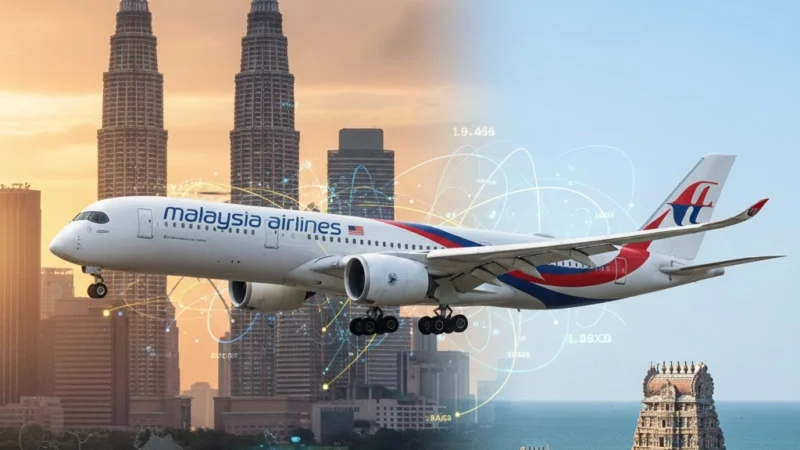
The Kuala Lumpur–Chennai (KUL–MAA) route remains one of the most strategically important South India–Southeast Asia air corridors. With strong passenger demand driven by business travel, a large Tamil diaspora, medical tourism links, and a rising appetite for premium travel, the sector presents significant opportunities for airlines aiming to grow revenue and strengthen regional dominance. This route intelligence analysis highlights high-yield passenger segments, airline competition, pricing behaviour, and tactical strategies to maximise performance.
Route Overview
The KUL–MAA sector is operated by a mix of full-service and low-cost carriers with high frequency and competitive fare structures. Typical flight duration ranges between 3 hours 40 minutes and 4 hours, making it a convenient short-haul gateway between Malaysia and South India.
Key Characteristics
- Strong business and corporate travel flows due to Chennai’s IT, manufacturing, fintech, and automotive sectors.
- Steady VFR (Visiting Friends & Relatives) demand from one of the world’s largest Tamil diaspora communities in Malaysia.
- Fast-growing leisure and medical tourism with Kuala Lumpur and Penang becoming major destinations for Indian outbound travellers.
- High seat occupancy, particularly during festive seasons (Pongal, Hari Raya, Deepavali, school holidays).
Major Airlines Operating the Route
1. Malaysia Airlines (Full-Service)
- Targets business and premium leisure travellers.
- Strong ASEAN, Australia, and East Malaysia connectivity.
- Differentiators: premium cabins, lounge access, flexible fares, corporate agreements.
2. IndiGo (Low-Cost)
- Competitive pricing; large domestic network feed from Chennai.
- Popular among migrant workers and budget-conscious travellers.
3. AirAsia (Low-Cost)
- High frequency, strong digital booking ecosystem.
- Excels in ancillaries: meals, baggage, preferred seats, travel add-ons.
High-Value Passenger Segments
1. Corporate & Business Travellers
Business passengers form the highest-yield segment, favouring flexible fares, premium seating, and reliable schedules.
2. Premium Leisure & HNI Travellers
Increasingly opting for premium cabins for short-haul luxury escapes, shopping trips, and 3-day weekend holidays.
3. Medical Travellers
Malaysia is a growing medical tourism hub; these travellers usually buy add-on services and travel with companions.
4. Education Travellers
Large student flows between Indian metros and Malaysian private universities bolster travel, especially during semesters.
5. VFR & Affluent Diaspora
The Tamil diaspora continues to sustain year-round demand, with affluent families choosing business or premium economy cabins.
Demand Drivers
1. Diaspora & Cultural Links
An estimated 2 million people of Tamil origin live in Malaysia, making Chennai one of the busiest VFR routes.
2. Business & Industrial Growth
Chennai hosts major IT parks, automotive clusters, and MNC headquarters, driving corporate travel to Malaysia and beyond.
3. Tourism
Malaysia is a top short-haul destination for South Indian travellers seeking vibrant food, shopping, nature, and theme parks.
4. Medical Tourism
Competitive pricing and high-quality hospitals attract Indian medical travellers to Malaysia.
5. Education Mobility
Malaysia’s internationally accredited universities continue to attract students from Tamil Nadu.
Pricing Intelligence
Economy Class (Typical One-Way)
- INR 8,000 – 12,000: Low-cost carriers
- INR 12,000 – 25,000: Full-service carriers
Business Class
- INR 40,000 – 75,000 depending on seasonality and advance booking.
Fare Behaviour Trends
- Lowest fares appear 30–60 days before departure.
- Peak prices during Pongal, April–June holidays, Deepavali, and year-end.
- Premium travellers drive last-minute yield, especially on weekdays.
Operational Insights
1. Preferred Departure Times
Travel behaviour shows a preference for:
- Early-morning departures (connectivity to onward ASEAN/Australia routes)
- Late-night returns (popular for business and migrant worker segments)
2. Aircraft Types in Operation
- Dominantly narrow-body aircraft (A320/A321).
- Occasional wide-body upgrades during festival peaks.
3. Load Factors
The KL–Chennai route typically maintains 80–90% load factors, with higher utilisation for LCCs during weekends.
Route Performance Opportunities
1. Strengthen Corporate Penetration
- Dedicated Chennai-based corporate sales desks
- SME-focused programmes
- Flexible corporate bundles with free date changes
2. Elevate Premium Travel Experience
- Tamil-language support
- South Indian cuisine options
- Priority check-in, larger baggage allowance, and fast-track immigration partnerships
3. Medical & Education Partnerships
- Ticket+hospital consultation packages
- Student concessions and group fare promotions
- University tie-ups for semester travel blocks
4. Ancillary Revenue Growth
- Family seat bundles
- Extra baggage packages
- Airport transfers
- Meal upgrades with Malaysian–South Indian menus
5. Seasonal Capacity Management
Boost frequencies during:
- Pongal
- Deepavali
- Malaysia school holidays
- Summer outbound season (April–June)
Challenges & Risks
1. Price Sensitivity
LCC fare wars can suppress yields for full-service carriers.
2. Airport Congestion
Peak-hour slot congestion at Chennai Airport may affect on-time performance.
3. Demand Volatility
Seasonal spikes contrast with off-peak periods, requiring careful revenue management.
FAQ: KL–Chennai Route Intelligence
1. Which airlines operate direct flights between Kuala Lumpur and Chennai?
Malaysia Airlines, IndiGo, and AirAsia currently operate non-stop flights between KUL and MAA.
2. What is the typical flight duration?
Flight time is approximately 3 hours 40 minutes to 4 hours, depending on aircraft type and weather conditions.
3. What is the usual price range for tickets?
- Economy Class: INR 8,000 – 25,000
- Business Class: INR 40,000 – 75,000
Pricing varies by season, airline, and booking window.
4. When is the best time to book cheap tickets?
Booking 30–60 days before departure usually offers the best fares, except during major festival periods.
5. Which passenger segments are the most profitable on this route?
Corporate travellers, premium leisure passengers, medical tourists, and affluent VFR travellers contribute the highest yields.
6. Why is this route important for airlines?
The sector combines strong year-round VFR demand, robust business links, and significant tourism flows, making it a dependable revenue generator.
7. What are the busiest travel periods?
- Pongal
- April–June school holidays
- Deepavali
- Christmas/New Year
- Malaysian public holiday weekends
8. What aircraft are commonly used on this route?
Most airlines operate Airbus A320/A321 aircraft; full-service carriers may occasionally deploy larger wide-body aircraft.
9. Is Malaysia a popular destination for Tamil Nadu travellers?
Yes. Malaysia is popular for short vacations, shopping trips, theme parks, and increasingly, medical and wellness travel.
10. How can airlines increase yields on the KL–Chennai route?
Through premium cabin enhancements, Tamil-focused service touchpoints, corporate partnerships, and ancillary product expansion.
Conclusion
The Kuala Lumpur–Chennai (KUL–MAA) sector is a vital corridor linking two dynamic hubs of culture, commerce, and tourism. With strong demand from business travellers, diaspora communities, and emerging medical and education segments, airlines have substantial opportunities to grow premium revenue. Enhanced product differentiation, culturally aligned services, and strategic fare positioning will be key to unlocking the route’s full value potential.





Comments are closed.