

Harvest & Holiness- Navigating Wesak Day and Ka’amatan in Malaysia

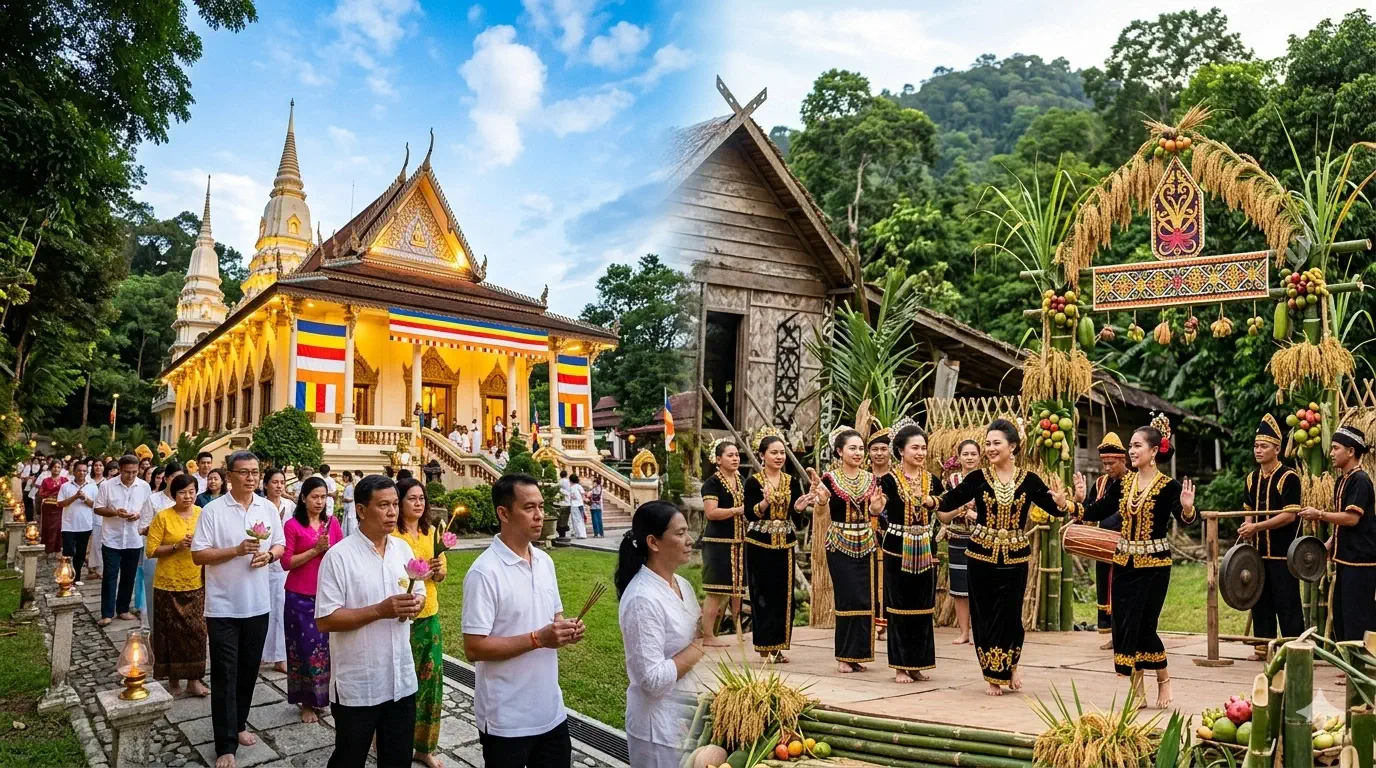
Malaysia’s cultural calendar brings together deeply spiritual observances and vibrant communal celebrations. Two of the most meaningful are Wesak Day and the Kaamatan Festival. One is rooted in reflection and compassion, the other in gratitude and harvest traditions. Together, they offer a rich, immersive experience for culture-focused travelers.
Wesak Day: A Journey of Reflection
Observed by Buddhists across the country, Wesak Day commemorates the birth, enlightenment, and passing of Gautama Buddha. The atmosphere is calm and reverent, centered around rituals that symbolize purification and mindfulness.
What You’ll Experience
- Temple Visits and Offerings: Devotees gather at temples such as Thean Hou Temple and Kek Lok Si Temple, bringing flowers, incense, and candles.
- Bathing the Buddha Ritual: A symbolic act representing the cleansing of one’s thoughts and actions.
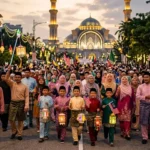
- Processions and Chanting: In cities like Kuala Lumpur and George Town, evening processions feature lanterns, prayers, and devotional chants.
Cultural Significance
Wesak Day emphasizes compassion, humility, and generosity. Many participants perform acts of charity, reflecting the ethical teachings of Buddhism. For visitors, it offers insight into a spiritual tradition that values inner peace and collective goodwill.
Kaamatan Festival: A Celebration of Harvest and Heritage
Held annually in the state of Sabah, the Kaamatan Festival is a major cultural event celebrated by the Kadazan-Dusun community. It marks the end of the rice harvest and is both a thanksgiving and a reaffirmation of cultural identity.
What You’ll Experience
- Sumazau Dance: A traditional dance performed during celebrations, symbolizing harmony with nature.
- Unduk Ngadau Pageant: A cultural pageant that honors tradition and beauty, inspired by local legend.
- Traditional Food and Drink: Visitors can sample local dishes and rice wine, often shared in communal settings.
Cultural Significance
The festival is closely linked to the legend of Huminodun, whose sacrifice ensured a successful harvest for her people. This narrative underpins the rituals and reinforces themes of gratitude, resilience, and community.
A Shared Thread of Gratitude
While Wesak Day is introspective and Kaamatan is celebratory, both are grounded in gratitude—toward spiritual enlightenment in one, and nature’s abundance in the other.
| Aspect | Wesak Day | Kaamatan Festival |
|---|---|---|
| Core Meaning | Spiritual reflection | Harvest thanksgiving |
| Location | Nationwide | Sabah |
| Key Activities | Offerings, rituals, processions | Dance, pageants, communal feasts |
| Atmosphere | Quiet and contemplative | Festive and communal |
Travel Considerations
- Timing: Wesak follows the lunar calendar and varies each year; Kaamatan is celebrated throughout May, with peak events on May 30 and 31.
- Cultural Etiquette: Dress modestly for temple visits and observe rituals respectfully.
- Local Engagement: In Sabah, participating in community-based celebrations or homestays can provide deeper cultural understanding.

 26°C
26°C
- Temperature
- Precipitation
- Rain Chance
- Wind
- Humidity
- Pressure


Conclusion
Experiencing Wesak Day and Kaamatan offers two distinct yet complementary perspectives on Malaysia’s cultural identity. One invites reflection and spiritual awareness, the other celebrates life through shared traditions and gratitude. For travelers seeking meaningful cultural encounters, these festivals provide a thoughtful and enriching journey.


Comments are closed.