

Enhancing South India Penetration- KL–Hyderabad Service Metrics

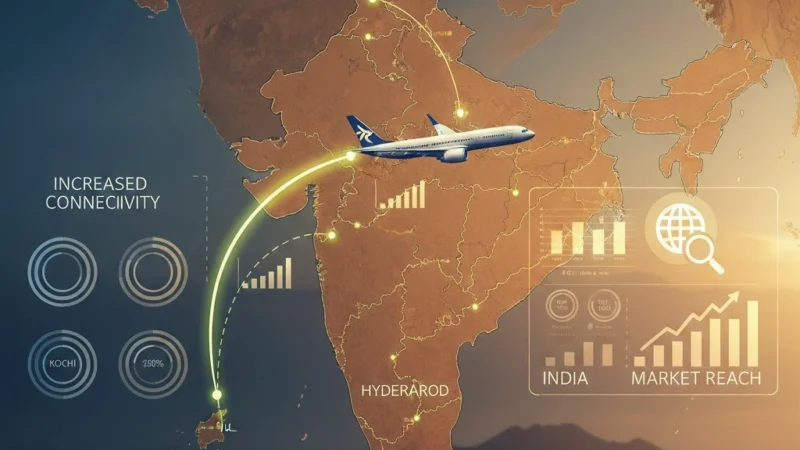
The Kuala Lumpur–Hyderabad (KUL–HYD) route has quickly become one of the most valuable air corridors for carriers strengthening their footprint in South India. Driven by rising corporate travel, booming tourism links, and high VFR demand, this sector offers strong commercial returns and strategic network value. This SEO-optimised analysis explores performance metrics, demand drivers, airline positioning, ticket details, and growth opportunities for deeper penetration into South India.
Why the KL–Hyderabad Route Matters
A High-Value South Indian Gateway
Hyderabad, the capital of Telangana, is a key Indian metro with:
- A booming IT and corporate sector
- High international travel propensity
- A large student and migrant community
- Rapid tourism growth
For Malaysian carriers, Hyderabad offers a balanced mix of business, leisure, and VFR travellers, supporting consistently strong loads throughout the year.
Market Demand: What Fuels the KL–Hyderabad Sector
1. Corporate & IT Travel Growth
Hyderabad’s HITEC City hosts top global tech firms, making KL an attractive one-stop hub for business connectivity to Japan, Australia, China, and Southeast Asia.
2. VFR & Migrant Traffic
A significant Telugu-speaking community in Malaysia and Singapore contributes to year-round demand.
3. Tourism Expansion
Malaysia remains one of Hyderabad’s favourite overseas destinations due to:
- Visa-friendly policies
- Affordable travel
- Family-friendly attractions (Genting Highlands, Langkawi, Penang)
4. Student Mobility
A sizeable portion of Indian students in Malaysia come from Telangana and Andhra Pradesh, boosting educational travel demand.
Performance Metrics of the KL–Hyderabad Route
Passenger Load Factor (PLF)
The route sustains high PLF levels, typically between 80% and 90%, with spikes during:
- Summer vacation
- Diwali & Dasara holidays
- Year-end festive season
Yield Performance
With strong corporate and connecting traffic, full-service carriers enjoy healthy yields, while LCCs drive volume and stimulate the price-sensitive market.
Airline Competition
Currently, the route is served by a mix of carriers such as:
- Malaysia Airlines (MH) – Full-service, strong connections
- AirAsia (AK) – Price-driven travellers
- Batik Air Malaysia (OD) – Hybrid model
This creates competitive fare structures and frequent flight options.
Connectivity Advantages via Kuala Lumpur
Kuala Lumpur International Airport (KUL) acts as a powerful transit hub for Hyderabad passengers seeking affordable one-stop access to:
Asia-Pacific
- Tokyo, Osaka
- Beijing, Shanghai
- Seoul
Australia
- Melbourne
- Sydney
- Perth
- Adelaide
ASEAN
- Singapore
- Bangkok
- Jakarta
- Manila
This makes KL ideal for travellers heading to multi-country itineraries.
Opportunities for Deeper South India Penetration
To further strengthen Kuala Lumpur’s connectivity to South India, airlines can adopt focused strategies:
1. Increase Peak Season Frequencies
Additional flights during high-demand months can significantly grow market share.
2. Introduce High-Efficiency Aircraft
Deploying B737 MAX 8 or A321neo can reduce operating costs and improve seat economics.
3. Strengthen Corporate & Student Partnerships
Tie-ups with:
- Universities
- IT companies
- Travel management firms
can boost premium cabin and repeat travel numbers.
4. Targeted Tourism Marketing
Joint promotions with Tourism Malaysia in Telangana enable interest in:
5. Enhanced Transit Experience
Shorter layovers, through-check baggage, and student-friendly fares improve route competitiveness.
Ticket Prices & Booking Information
Economy Class Fares
- Low season: ₹12,000 – ₹18,000
- Mid season: ₹18,000 – ₹24,000
- Peak season: ₹22,000 – ₹32,000
Premium Fares
- Premium Economy: ₹40,000 – ₹60,000
- Business Class: ₹75,000 – ₹120,000
Where to Book
Travellers can book via:
- Airline websites (Malaysia Airlines, AirAsia, Batik Air)
- OTAs including MakeMyTrip, Cleartrip, Skyscanner
- Local travel agents in Hyderabad and Telangana
Travel Requirements
- Valid passport (minimum 6 months validity)
- Malaysia eVisa or Visa on Arrival (based on current rules)
- Confirmed return or onward ticket
Frequently Asked Questions (FAQs)
1. How long is the flight between Hyderabad and Kuala Lumpur?
Approx. 4 hours 30 minutes non-stop.
2. Which airlines operate KL–Hyderabad flights?
Malaysia Airlines, AirAsia, and Batik Air Malaysia (subject to seasonal schedules).
3. Is Hyderabad a strong market for Malaysia Airlines?
Yes, due to high student, VFR, corporate, and tourism demand.
4. When is the best time to find low fares?
Book tickets 6–8 weeks in advance for cheaper fares.
5. Is Malaysia visa-friendly for Indians?
Yes, with eVisa and Visa on Arrival options.
Conclusion
The KL–Hyderabad route offers tremendous growth potential and plays a pivotal role in strengthening South India penetration for Malaysia-based carriers. With strong demand across corporate, VFR, and leisure segments—and Kuala Lumpur’s robust global connectivity—this corridor remains strategically important. By enhancing frequencies, optimising fleets, and deepening partnerships, airlines can unlock deeper market penetration and long-term profitability in one of India’s fastest-growing international travel hubs.






Comments are closed.