

Driving Java Travel Demand – KL–Surabaya Sector Overview

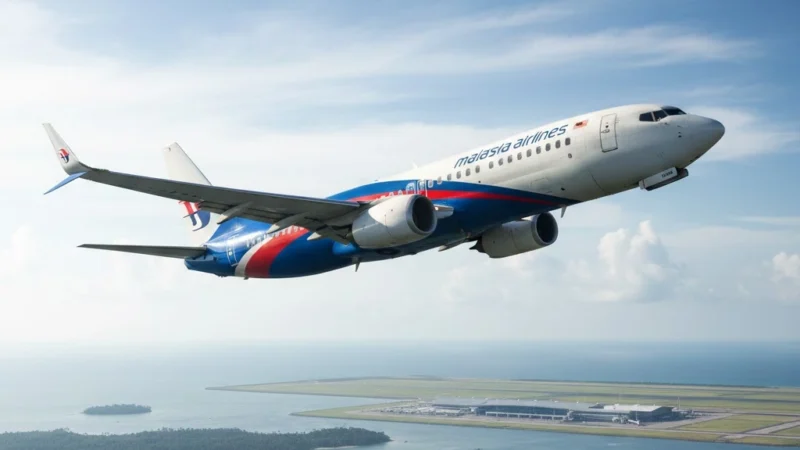
Driving Java Travel Demand: KL–Surabaya Sector Overview
The Kuala Lumpur–Surabaya (KUL–SUB) air corridor is among the most important links between Malaysia and Indonesia, connecting Malaysia’s capital with Surabaya, the economic powerhouse of East Java. With strong travel demand across tourism, business, and VFR (Visiting Friends & Relatives) markets, this route continues to grow in both frequency and capacity in 2025.
This article provides a full overview of the route—including airlines, fares, market trends, and now a detailed ticketing information section for travellers.
Route Snapshot (2025)
- Flight duration: 2 hr 30 min – 2 hr 50 min
- Distance: ~1,400 km
- Airports:
- Kuala Lumpur International Airport (KUL)
- Juanda International Airport (SUB)
- Airlines operating:
- Malaysia Airlines
- Indonesia AirAsia
- Batik Air Malaysia
- Service Type: Full-service + Low-cost mix
- Aircraft: Boeing 737 / Airbus A320 family aircraft
Ticket Details for KL–Surabaya Flights
Below is a comprehensive breakdown of ticketing options, fare types, baggage rules, and travel requirements to help travellers choose the best option.
A. Airline-wise Ticket Types
1. Malaysia Airlines (Full-Service)
Typical fare classes:
- Economy Lite – No checked baggage
- Economy Basic – 20kg baggage
- Economy Flex – 25kg baggage + flexibility
- Business Class – 40kg baggage + lounge access
Inclusions:
✔ Meal & drinks
✔ Seat selection (for higher economy tiers)
✔ Inflight entertainment
✔ Free cabin luggage (7kg)
2. Indonesia AirAsia (Low-Cost Carrier)
Ticket types:
- Low Fare – No baggage, no meals
- Value Pack – 20kg baggage + meal + standard seat
- Premium Flex – 20kg baggage + priority boarding + flexibility
Inclusions:
✔ Cabin bag 7kg
✘ Checked baggage (add-on)
✘ Meals (paid unless bundle added)
3. Batik Air Malaysia (Hybrid Carrier)
Ticket classes:
- Economy Promo – Cheapest, limited changes
- Economy Value – 20kg baggage
- Economy Flexi – More flexibility
- Business Class – 30kg baggage, premium seating
Inclusions:
✔ Light snacks
✔ 20kg included on most fare types
✔ 7kg cabin bag
B. Typical Ticket Price Range (2025)
(Actual fares vary by season, promotions, and booking window)
| Airline | One-way Promo Fare | Regular Fare | Peak Season Fare |
|---|---|---|---|
| AirAsia | RM 180–250 | RM 300–420 | RM 450–650 |
| Batik Air | RM 200–280 | RM 320–480 | RM 500–700 |
| Malaysia Airlines | RM 320–450 | RM 480–680 | RM 650–900 |
Cheapest booking window:
➡️ 3–6 weeks in advance
➡️ Avoid Indonesian and Malaysian holiday periods (Hari Raya, school holidays, year-end)
C. Baggage Allowances (General Guidelines)
Cabin Baggage
- All airlines allow 7kg cabin baggage, plus a small personal item.
Checked Baggage
| Airline | Standard Inclusion |
|---|---|
| Malaysia Airlines | 20–25kg (depending on fare) |
| Indonesia AirAsia | Paid add-on (10kg, 20kg, 25kg, 30kg) |
| Batik Air Malaysia | 20kg included for Value/Flexi |
Tip:
Buying baggage during booking is much cheaper than adding it at the airport.
D. Extra Services & Add-ons
- Seat selection: Paid on LCCs; free for some full-service economy classes
- Meals: Included on Malaysia Airlines, optional on AirAsia and Batik
- Travel insurance: Recommended for flexibility
- Priority boarding: Available for a fee on LCCs
- Flight changes:
- Possible with AirAsia Premium Flex
- Allowed on most Malaysia Airlines & Batik Air higher fare classes
Travel Requirements (Malaysia → Indonesia)
Visa Requirements
- Malaysians travelling to Indonesia for tourism or short business visits do not need a visa (visa-free entry for up to 30 days).
- Indonesian travellers going to Malaysia also enjoy visa-free entry.
Passport Validity
- Passport must be valid 6 months from travel date.
Other requirements
- Return/onward ticket may be required at immigration.
- Travel insurance encouraged.
Why the KL–Surabaya Route Matters
The KUL–SUB corridor serves millions of passengers annually, driven by:
A. VFR Travel
Strong family and student mobility between Malaysia and East Java.
B. Tourism
Surabaya is the gateway to:
- Mount Bromo
- Batu & Malang
- Tlogosari Highlands
- East Java waterfalls & national parks
C. Business & SME Travel
East Java is a major hub for:
- Manufacturing
- Logistics
- Trade
- Fisheries
- Maritime services
D. Transit Traffic via KLIA
Surabaya → Kuala Lumpur → onward to Middle East, India, Europe, East Asia.
Schedule Trends in 2025
Malaysia Airlines
- Increased weekly frequencies mid-2025
- Targets premium and business travel segments
Indonesia AirAsia
- Multiple weekly services
- Lower fares keep load factors high
Batik Air Malaysia
- Strong afternoon/evening operations
- Key carrier for Indonesia domestic connections
Fare Trends & Traveller Tips
- Best deals appear 3–6 weeks before departure
- Avoid peak dates like Hari Raya Aidilfitri, Ramadan, Christmas, school holidays
- Compare direct airline websites vs OTAs
- Purchasing bundles (AirAsia Value Pack / Batik Air Flexi) can reduce last-minute costs
- Use fare alerts to track price drops
SWOT
Strengths
- Strong two-way demand
- Competitive airline mix
- Excellent connectivity via KLIA
Weaknesses
- Airline yields pressured by heavy LCC competition
- Seasonal fluctuations
Opportunities
- Tourism board partnerships
- Stronger transit marketing
- Premium cabin upsell
Threats
- Fuel price changes
- Currency volatility
Conclusion
The KL–Surabaya sector remains one of the most vital short-haul links in Southeast Asia, driven by strong economic ties, family travel, and tourism. With multiple airlines, competitive fares, and flexible travel options, passengers benefit from excellent connectivity and pricing on this high-demand route.
The added ticket details section provides travellers with all essential information—from fare types to baggage rules—to help make informed decisions when planning their trip between Kuala Lumpur and Surabaya.






Comments are closed.