

Chettiars’ Temple (Sri Muniandy Temple) Penang

Introduction
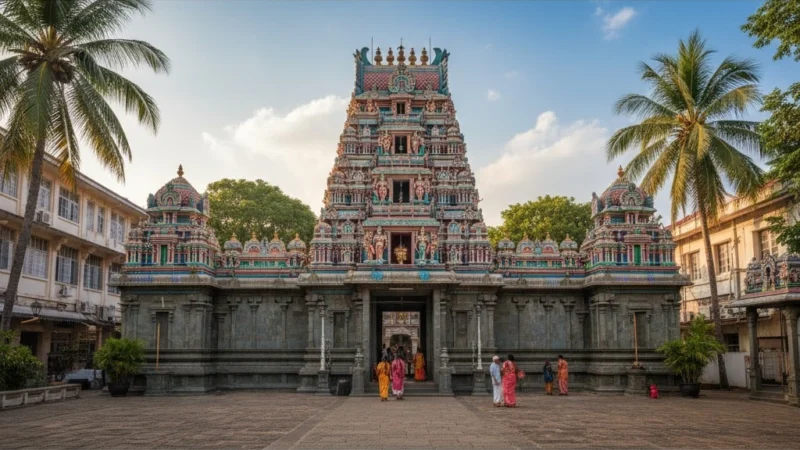
Chettiars’ Temple, also known as Sri Muniandy Temple, is a prominent Hindu temple located in Penang, Malaysia. Dedicated to Lord Muniandy, the temple is a spiritual and cultural hub for the Chettiar community. It attracts devotees and tourists alike with its vibrant rituals, colorful architecture, and rich cultural heritage.
The temple not only serves as a place of worship but also preserves South Indian temple traditions and hosts community-driven events that enrich Penang’s cultural landscape.
Location & Address
- Address: [Insert Street Name], Penang, Malaysia
- Coordinates: [Optional GPS coordinates]
- Nearby Landmarks: [Insert nearby landmarks or roads for easy navigation]
Access: The temple is easily accessible via local buses, taxis, and private vehicles. Parking facilities are available for visitors arriving by car.
Temple Timings
- Daily: 6:00 AM – 9:00 PM
- Special Pooja Days/Festivals: Timings may vary; check temple notices or local announcements.
Entry Fee
- General Admission: Free for all visitors
- Donations: Voluntary contributions are welcomed to support temple maintenance and activities
History of Chettiars’ Temple
Chettiars’ Temple was founded by the Chettiar community, a South Indian merchant and banking community that migrated to Penang. The temple is dedicated to Lord Muniandy, a guardian deity believed to protect devotees, bring prosperity, and ensure health.
Over the decades, the temple has evolved into a religious and cultural center, hosting rituals, festivals, and social gatherings while preserving the Chettiar community’s rich heritage.
Interesting Facts
- The temple is one of the key cultural landmarks for Penang’s Indian community.
- It exhibits Dravidian-style architecture, reflecting South Indian temple artistry.
- Hosts major Hindu festivals, drawing thousands of devotees annually.
Architecture & Features
Chettiars’ Temple showcases traditional Dravidian architecture with elaborate detailing:
- Gopuram (Tower): Intricately carved and vividly painted, featuring Hindu deities and mythological figures.
- Mandapam (Prayer Hall): A spacious hall for daily rituals and community gatherings.
- Sanctum Sanctorum: Houses Lord Muniandy and other deities.
- Ornamentation: Colorful statues, murals, and carvings depicting Hindu mythology.
The architecture combines spiritual symbolism with artistic excellence, offering an immersive cultural experience.
Festivals & Events
Chettiars’ Temple celebrates Hindu festivals with grandeur:
- Thaipusam: Devotees perform kavadi rituals and processions.
- Panguni Uthiram: Celebrates divine marriages of Hindu deities.
- Navaratri & Deepavali: Temple is adorned with lights and decorations; cultural programs and community feasts are organized.
- Monthly Poojas: Devotees participate in regular rituals for blessings and spiritual growth.
Things to Do
- Participate in daily poojas and rituals to experience spiritual devotion.
- Admire and photograph temple architecture and sculptures (where permitted).
- Attend festivals and cultural events for a deeper understanding of South Indian traditions.
- Meditate or seek blessings in the sanctum sanctorum.
Things Not to Do
- Avoid loud conversations in prayer areas.
- Do not wear inappropriate clothing inside the sanctum.
- Photography restrictions may apply in sacred areas; always seek permission.
- Refrain from disturbing ongoing rituals or offerings.
Historical Significance
Chettiars’ Temple reflects the religious and cultural heritage of Penang’s Chettiar community. Beyond its spiritual role, it has historically served as a center for education, charity, and social cohesion, preserving South Indian traditions in Malaysia.
Conclusion
Chettiars’ Temple (Sri Muniandy Temple) is a must-visit destination in Penang for those seeking spiritual solace, cultural enrichment, and architectural beauty. Whether attending festivals or visiting on a regular day, the temple offers an immersive experience into the devotion, artistry, and heritage of the Chettiar community.




Comments are closed.