

Buah Sentul

Introduction
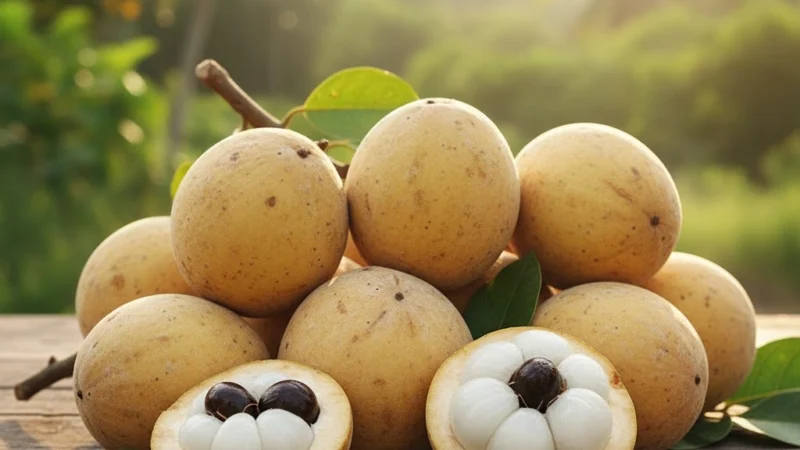
Buah Sentul—also widely known as sentol, sentul fruit, or cotton fruit—is an underappreciated tropical treasure rooted in Malaysian heritage and forest‑garden traditions. Despite its near-forgotten status in modern commercial markets, this fruit combines a compelling sensory profile, nutritional value, and deep cultural resonance. With a soft, velvety rind, juicy sour-sweet pulp, and a lineage tracing back to Southeast Asia’s lowland forests, Buah Sentul is poised for a renaissance—both in traditional cuisine and new‑age gourmet and wellness markets.
In today’s era of sustainable agriculture and heritage fruit revival, Buah Sentul offers a strategic asset: its resilience to climate variability, potential for value-added products (like pickles, jams, and oil), and symbolic connection to Malaysia’s ecological past. For agro-entrepreneurs, restaurateurs, and heritage food advocates, Sentul represents not just a fruit, but a story — of tradition, innovation, and community renewal.
Origin
Buah Sentul belongs to the species Sandoricum koetjape (Burm.f.) Merr., and is native to Southeast Asia, including Peninsular Malaysia, Sumatra, Borneo, the Philippines, Thailand, and Vietnam.
Botanically, it is part of the Meliaceae family, which includes other regionally important fruit trees. Historically, the tree has grown in semi-wild conditions — in village backyards, forest margins, and lowland terrain — rather than in large-scale monoculture plantations.
Category
| Field | Detail |
|---|---|
| Scientific Name | Sandoricum koetjape |
| Family | Meliaceae |
| Category | Tropical forest / heritage fruit |
| Type (Seasonality) | Semi-seasonal; typically fruits after the dry season (e.g., February–May) |
Appearance
Buah Sentul is generally spherical (or slightly depressed-globose), measuring around 5–7 cm in diameter. Its peel is covered in fine, soft hairs, giving it a velvety texture, and when fully ripe, the rind turns a golden-yellow to light golden-brown.
Inside is a cottony, spongy white flesh (mesocarp) that clings closely to one or more large brown seeds.
Popular Varieties
| Variety | Local Name | Distinctive Features | Region of Prominence |
|---|---|---|---|
| Thin-skinned / Sweet | Sentol / Yellow Sentol | Thinner peel, more pulp, sweeter taste | Forest‑garden areas, lowland Southeast Asia |
| Thick-skinned / Sour | Sentul / Red Sentol / Kechapi | Thicker rind, firmer flesh, more sour or astringent | Traditional village groves |
Preparation
- Fresh: Eaten raw, often with a pinch of salt, sugar, or soy sauce.
- Pickled / Jeruk Sentul: Preserved into tangy pickles.
- Chutneys, Jams, Jelly: Cooked pulp into sweet spreads.
- Traditional Cooking: Rind cooked in curry or coconut-milk-based dishes.
- Medicinal / Beverages: Decoctions made from bark or root; pulp juice.
Equipment
- Sharp knife and paring knife
- Cutting board
- Bowl for pulp/juice
- Pickling jars
- Blender or food processor
- Cooking pot for jams or stews
- Strainer for juice
Taste
Buah Sentul delivers a complex flavor profile: tangy, sour with hints of sweetness; thicker rind can carry subtle bitterness.
Texture
The pulp is soft, cotton-like, and slightly spongy, while the peel is thick and fibrous—ideal for cooking or pickling.
Aroma
Subtle yet distinctive: slightly floral, faintly citrus-like, earthy, more pronounced when ripe.
Cultural Significance
- Tradition & Memory: Nostalgic kampung fruit eaten with salt or pickled.
- Medicinal Heritage: Roots and bark for postnatal recovery, digestive aid. (frim.gov.my)
- Ecological Role: Supports biodiversity; integrates into agroforestry.
- Sustainability Symbol: Heritage fruit revival aligns with cultural and environmental conservation.
Regional Cultivation
| State / Region | Key Significance | Harvest Period / Notes |
|---|---|---|
| Peninsular Malaysia | Forest gardens, village groves | Often fruits after dry season |
| Southeast Asia (Thailand, Philippines) | Wild or semi-domesticated | Varies with climate |
Social Context
Locals enjoy Buah Sentul in informal settings: roadside stalls, village markets, forest gardens. Rarely found in supermarkets, adding to its heritage charm.
Nutritional Information (per 100 g)
| Nutrient | Approximate Value |
|---|---|
| Water | ~84 g |
| Carbohydrates | ~14 g |
| Protein | ~0.7 g |
| Fat | ~0.7 g |
| Fiber | ~1.1 g |
| Potassium | ~328 mg |
| Phosphorus | ~20 mg |
| Vitamin C | ~14 mg |
Health Benefits
- Rich in antioxidants
- Anti-inflammatory potential (peel extract)
- Supports digestive health
- Used in postnatal recovery
- Provides essential minerals: potassium and phosphorus
Dietary Restrictions
- Sour and acidic: caution for sensitive stomachs
- High carbohydrate: monitor for blood sugar levels
- Traditional remedies should be used with guidance
Allergens
- Rare allergenicity reported
- Cross-reactivity with other Meliaceae plants is possible
- Seeds are inedible
Cost
Limited commercial availability; prices vary by region, variety, and season. Heritage or value-added products command a premium.
Production & Export
- Small-scale, mostly wild or agroforestry-based
- Niche demand in heritage fruit markets
- Opportunity for value-added products and rural income generation
Symbolism & Brand Positioning
- Authenticity: Traditional kampung and forest fruit
- Sustainability: Eco-friendly cultivation
- Innovation: Culinary and wellness potential
- Heritage: Preserves cultural memory and biodiversity




Comments are closed.