

Belimbing

Introduction
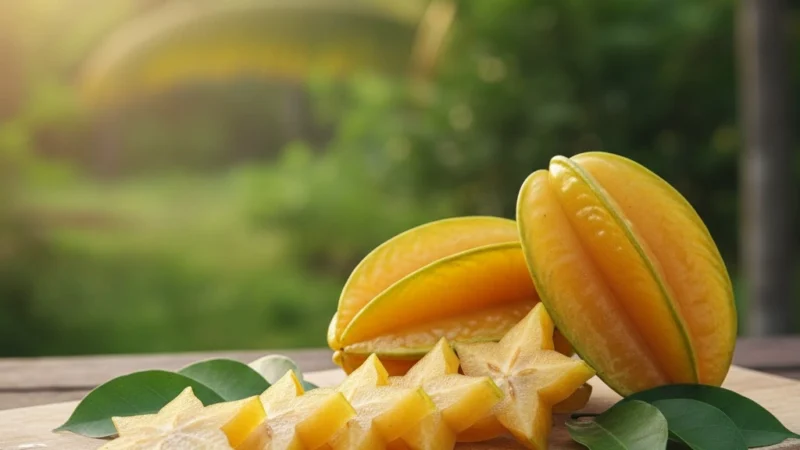
Belimbing, often celebrated for its star-shaped elegance and refreshing tang, holds a longstanding place in Malaysia’s cultural and culinary landscape. Its distinctive profile—both in taste and appearance—positions it as more than just a tropical fruit; it is a regional heritage symbol cherished across generations. From traditional home gardens to modern gastronomic innovation, Belimbing represents the seamless fusion of local identity with contemporary culinary potential. As regional cuisines evolve, the fruit continues to shape Malaysia’s food culture, offering sensory appeal, nutritional value, and versatile applications that align with present-day consumer preferences for natural, functional, and culturally grounded ingredients.
Origin
Belimbing traces its origins to Southeast Asia, particularly the Malay Archipelago, where it thrived in humid tropical conditions. Scientifically known as Averrhoa carambola, the fruit belongs to the Oxalidaceae family and shares botanical lineage with Belimbing Buluh (Averrhoa bilimbi)—another popular indigenous fruit. Through centuries of trade and agricultural expansion, Belimbing spread across South Asia, the Pacific Islands, and eventually global tropical regions.
Its agricultural significance lies in its adaptability, moderate maintenance needs, and steady yield. Today, Belimbing cultivars are valued not only for domestic consumption but also as export commodities, contributing to Malaysia’s diversified fruit economy.
Category
| Scientific Name | Family | Category | Type (Seasonality) |
|---|---|---|---|
| Averrhoa carambola | Oxalidaceae | Fresh Tropical Fruit | Year-round, with peak periods in July–September and December–February |
Appearance
Belimbing is easily recognisable by its five-angled ridges that create a star-shaped cross-section when sliced. The fruit is typically 7–12 cm long with a smooth, glossy rind that transitions from green to a vibrant golden-yellow as it ripens. Its flesh is translucent, juicy, and crisp, with minimal seeds concentrated at the centre. The signature ridges and radiant hue make Belimbing a favourite in garnishing, plating, and food styling.
Popular Varieties
| Variety | Local Name | Distinctive Features | Region of Prominence |
|---|---|---|---|
| Sweet Carambola | Belimbing Manis | High sweetness, low acidity, crunchy texture | Selangor, Johor |
| Sour Carambola | Belimbing Masam | Tangy, sharper acidity, ideal for pickles and cooking | Kedah, Kelantan |
| Golden Star | Belimbing Emas | Deep yellow skin, aromatic, premium export-grade | Perak, Pahang |
Preparation
Common consumption modes include:
- Fresh: Eaten raw, sliced, or chilled as a hydrating snack.
- Snacks: Pickled Belimbing, dried chips, candied slices.
- Desserts: Sorbets, jellies, fruit tarts, compotes.
- Traditional Cuisine: Sour base for curries, fish dishes, and sambal preparations.
- Beverages: Fresh juices, herbal drinks, fermented beverages, and infused water.
Equipment
- Paring knife
- Cutting board
- Fruit peeler (optional)
- Airtight containers for pickling or storing slices
- Blender or juicer for beverages
Taste
Belimbing offers a delicate interplay of sweet and tart profiles. Sweet varieties present mild honey-like notes with refreshing juiciness, while sour varieties deliver a vibrant acidity ideal for culinary balance. Subtle floral undertones enhance its appeal, making the fruit both palate-cleansing and versatile.
Texture
The fruit features a crisp, watery crunch similar to cucumber or pear, paired with a light, tender bite. Its high moisture content contributes to a satisfying and refreshing mouthfeel.
Aroma
Belimbing emits a clean, fruity scent with gentle floral notes. The aroma is moderate in intensity—pleasant and uplifting without being overpowering.
Cultural Significance
Belimbing carries deep cultural significance in Malaysia, often linked with traditional cooking practices and festive gatherings. In rural communities, the fruit is a household staple used in daily meals, symbolic of resourcefulness and local abundance. Its star shape is associated with good fortune and aesthetic beauty, making it a popular decorative garnish during celebrations. The fruit also appears in folklore and heritage recipes, contributing to its role as a culinary emblem of the Malay world.
Regional Cultivation
| State/Region | Famous For | Harvest Period |
|---|---|---|
| Selangor | Sweet, premium-grade Belimbing | July–September |
| Johor | Large-scale production and export-quality cultivars | December–February |
| Perak | Golden Star variety | Year-round |
| Kedah | Sour Belimbing for traditional cuisine | August–October |
| Kelantan | Heritage smallholder farms | June–August |
Social Context
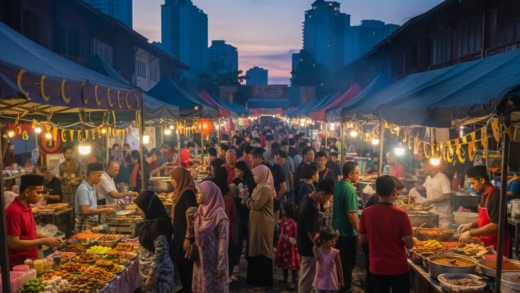
Belimbing is enjoyed widely across Malaysian communities—sold at wet markets, roadside stalls, and fruit farms. During peak seasons, households often prepare pickles, juices, and traditional dishes in communal cooking sessions. Local eateries feature Belimbing-based beverages, while contemporary cafés incorporate it into modern desserts and health-focused menus.
Nutritional Information (per 100g)
| Nutrient | Amount |
|---|---|
| Calories | ~31 kcal |
| Carbohydrates | 6–7 g |
| Protein | 1 g |
| Fat | 0.3 g |
| Fiber | 2.8 g |
| Vitamins | Rich in Vitamin C, Vitamin A, and folate |
| Minerals | Potassium, magnesium, phosphorus |
Health Benefits
- Supports immune health due to high vitamin C content
- Helps hydration with its high water content
- Provides dietary fiber for digestive wellness
- Offers antioxidants that support cellular protection
- Low-calorie profile ideal for weight-conscious consumers
Dietary Restrictions
- Individuals with kidney conditions should exercise caution due to oxalate levels.
- Sour varieties may irritate those with acid sensitivity or gastric conditions.
- Consumption should be moderated for individuals requiring low-potassium diets.
Allergens
Belimbing rarely triggers allergies, but mild sensitivities may appear in individuals sensitive to oxalates or acidic fruits.
Cost
- Local varieties: RM5–RM10 per kg
- Premium sweet varieties: RM10–RM18 per kg
- Export-grade Golden Star: RM18–RM25 per kg
Production & Export
Malaysia is one of the region’s prominent producers of Belimbing, exporting primarily to Singapore, the Middle East, and Europe. Global demand is rising, fuelled by increasing interest in exotic fruits, clean-label ingredients, and Southeast Asian culinary innovation. Belimbing contributes to Malaysia’s agricultural diversification agenda, supporting smallholder farmers and stimulating downstream industries including beverages, snacks, and processed foods.
Symbolism
Belimbing symbolises freshness, purity, and abundance. Its star-like shape represents aspiration, achievement, and cultural pride. Within the corporate and tourism branding context, Belimbing reflects authenticity and the unique identity of Malaysia’s tropical heritage—positioning it as a fruit with both traditional value and modern market relevance.





Comments are closed.